The Oldest Technology in Your Kitchen
The whistle of the kettle is an ancient sound; humanity’s oldest and most democratic form of plant medicine boiling in one of our most essential matrices — water. Long before capsules, tinctures, and standardized extracts made up modern pharmacology, there were dried leaves steeped in hot, boiling water paired with a calm side of stillness.
The herbal tea, or tisane, is a technology so simple that we have largely forgotten to see it as technology. The selective extraction of bioactive compounds from plant tissue using thermal energy and a polar solvent is one of our earliest forms of chemistry and pharmacology. Inside a cup of herbal tea blend are thousands of years of accumulated empirical knowledge about which plants heal, nourish, or should be left alone.
In our solarpunk discussions here on Futurespore.com, we talk often about technology and its relationship to nature by using and building tools that are human-scale and ecologically integrated. A cup of herbal tea brewed from plants you grew, foraged, or sourced from a neighbor’s garden is perhaps the most accessible technology imaginable, with no direct need to rely on the supply chain and no presence nor limitations of intellectual property.
This guide is an invitation to reclaim the ritual of herbal tea as a daily practice of ecological self-reliance, to help you develop your own seasonal apothecary.
Tisanes vs. True Tea: An Important Distinction
Before we go further, a clarification that herbalists consider essential.
Tea, without the prefix of “herbal” refers only to beverages made from Camellia sinensis, which is an evergreen shrub that gives us black tea, green tea, white tea, oolong, and pu-erh.
Herbs like chamomile, peppermint, rooibos, hibiscus, and nettle, steeped in hot water, are technically considered a tisane (from the French, derived from the Greek ptisane, meaning a drink made from crushed barley).
This distinction is important to herbalism practices because Camellia sinensis contains caffeine and a unique amino acid called L-theanine, which together produce a very specific neurochemical profile.
Herbal tisanes are caffeine-free (with a few exceptions, such as yerba mate and guayusa) and work through entirely different mechanisms. To clarify, when we say “herbal tea” throughout this guide, we mean tisanes, which are infusions of herbs, flowers, roots, bark, and seeds that are not derived from the tea plant.
The history of tisanes is older than recorded civilization. Archaeological evidence suggests that humans have been steeping wild plants in hot water for at least 5,000 years, and likely far longer. The Egyptian Ebers Papyrus (circa 1550 BCE) documents herbal infusions as a medicine. Traditional Chinese Medicine has catalogued thousands of medicinal plant preparations over millennia. Indigenous cultures on every continent developed sophisticated tisane traditions attuned to their local flora. The herbal tea is, quite literally, a universal human technology.
Spring Teas: Awakening and Cleansing
Spring is the season of emergence not only for nature, but for humankind. After months of winter’s contraction, the body, much like the land itself, is ready to stir, detoxify, and rebuild. Spring herbs tend to be mineral-rich, lymph-moving, and gently purifying.
Stinging Nettle (Urtica dioica)
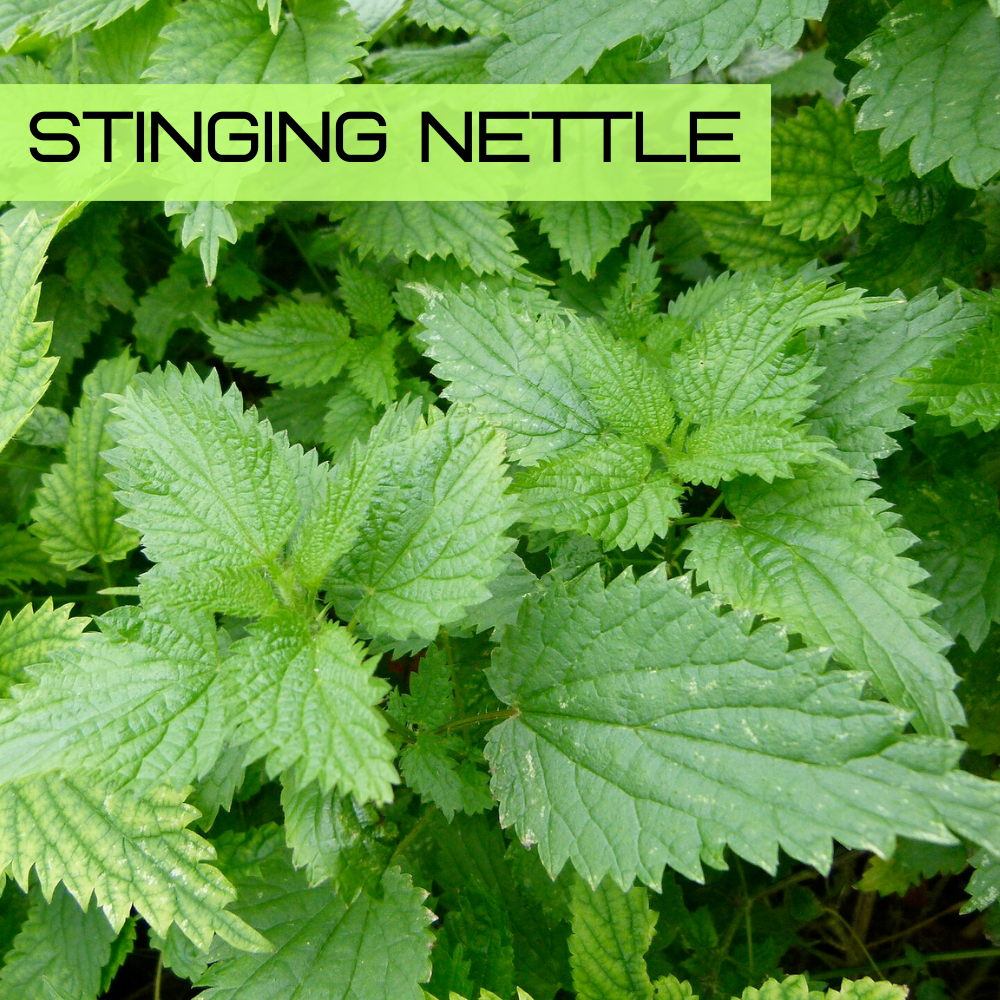
Nettle is the queen of spring tonics, and for good reason. This vigorous perennial, so common it is often dismissed as a weed, is one of the most nutritionally dense plants on the planet. A strong nettle infusion provides bioavailable iron, calcium, magnesium, potassium, silica, and vitamins A, C, and K. It is, effectively, a drinkable multivitamin.
Herbalists prize nettle as a blood builder and kidney tonic. It supports the body’s natural detoxification pathways, gently encouraging elimination through the urinary system. For those who suffer from seasonal allergies, nettle’s natural antihistamine properties make it an invaluable spring ally. Start drinking it several weeks before allergy season begins for best results.
Harvest note: If you’re foraging nettle fresh, wear gloves. The plant’s fine, hair-like trichomes contain compounds (including formic acid and histamine) that cause an itchy, stinging numbness on contact, a defense mechanism that has earned it the “stinging” in its name. The good news: these compounds are neutralized by heat or drying, so once your nettle has been boiled or thoroughly dried and dehydrated, it is perfectly gentle to handle and drink.
Brew note: Nettle benefits from a long steep. Pour boiling water over dried nettle leaf, cover, and let it infuse for a minimum of 20 minutes, or up to 4 hours optionally for a full mineral extraction (often called a “nourishing herbal infusion” in the tradition of herbalist Susun Weed). The resulting brew will be deep green and earthy.
Dandelion Leaf (Taraxacum officinale)
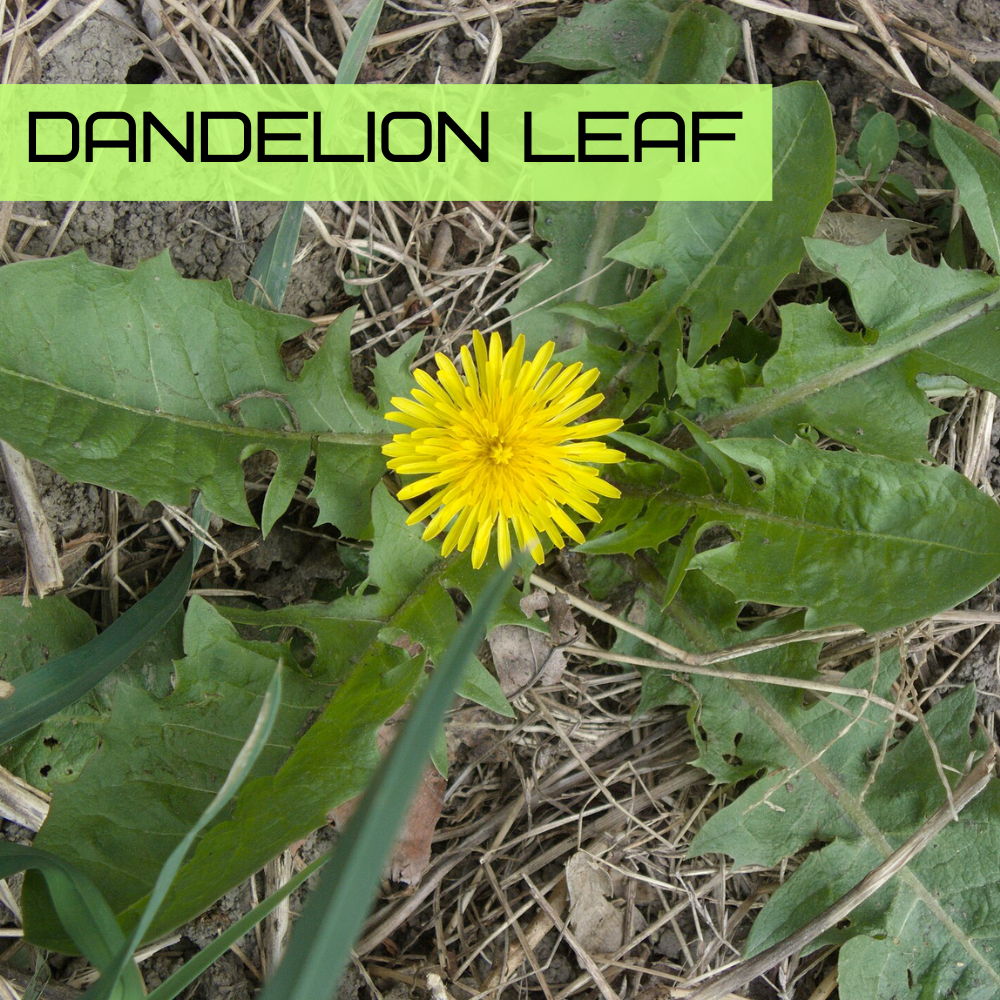
In the spring, dandelion grows everywhere, asks nothing, and gives generously. The leaves are a potent but gentle diuretic, earning it the folk name “piss-a-bed”, that supports kidney function without depleting potassium, unlike pharmaceutical diuretics. This is because dandelion leaf is itself rich in potassium, effectively replacing what it flushes.
Spring dandelion leaf tea tastes slightly bitter, which is part of its medicine. Bitter flavors stimulate digestive secretions, waking up the liver and gallbladder after the heavier foods of winter.
Cleavers (Galium aparine)
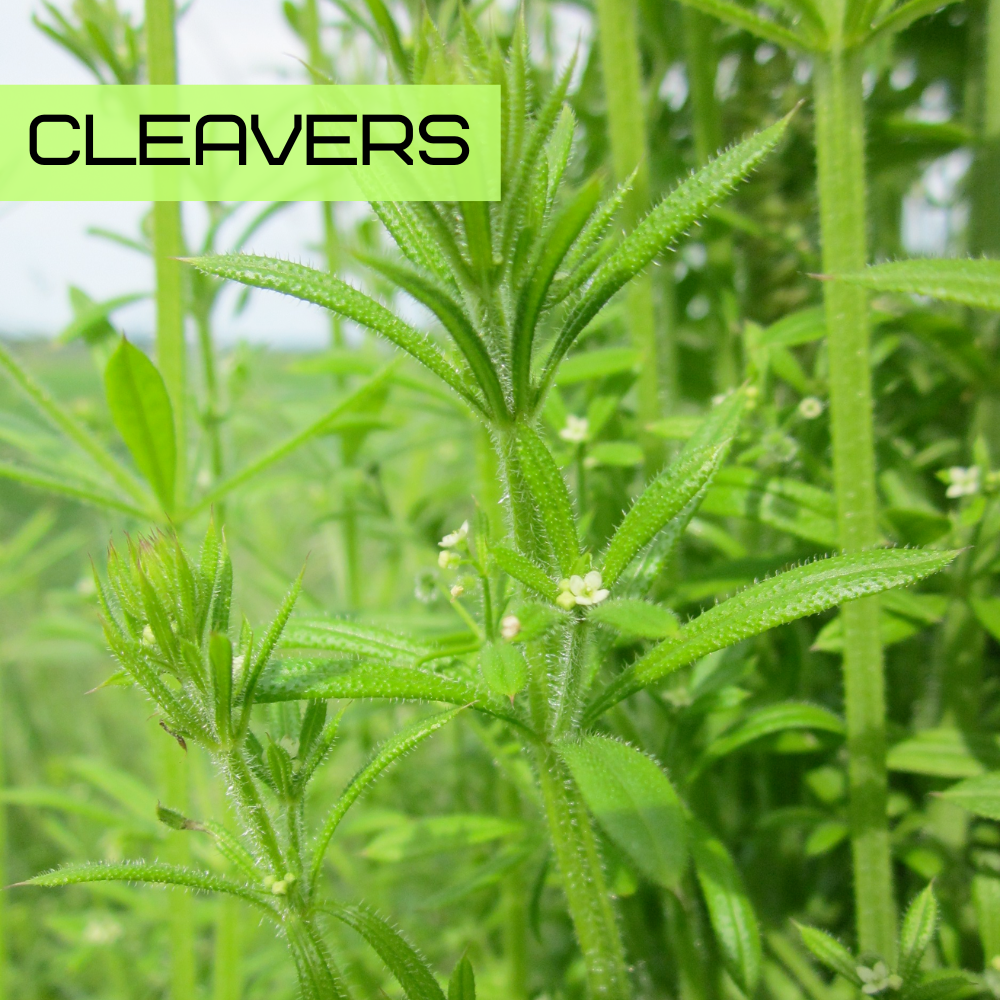
This scrambling, sticky-stemmed plant is one of the first herbs to appear in early spring. Cleavers is a lymphatic herb, and it supports the movement and drainage of the lymphatic system, which is the body’s waste-processing network. After a sedentary winter, lymphatic flow can become sluggish, and cleavers gently encourages it back into motion.
Cleavers is best used fresh or freshly dried. Steep the chopped aerial parts in cool or room-temperature water overnight for a traditional cold infusion that tastes clean and faintly green.
Summer Teas: Cooling and Calming
Summer calls for herbs that cool the body, calm the nervous system, and support hydration.
Hibiscus (Hibiscus sabdariffa)
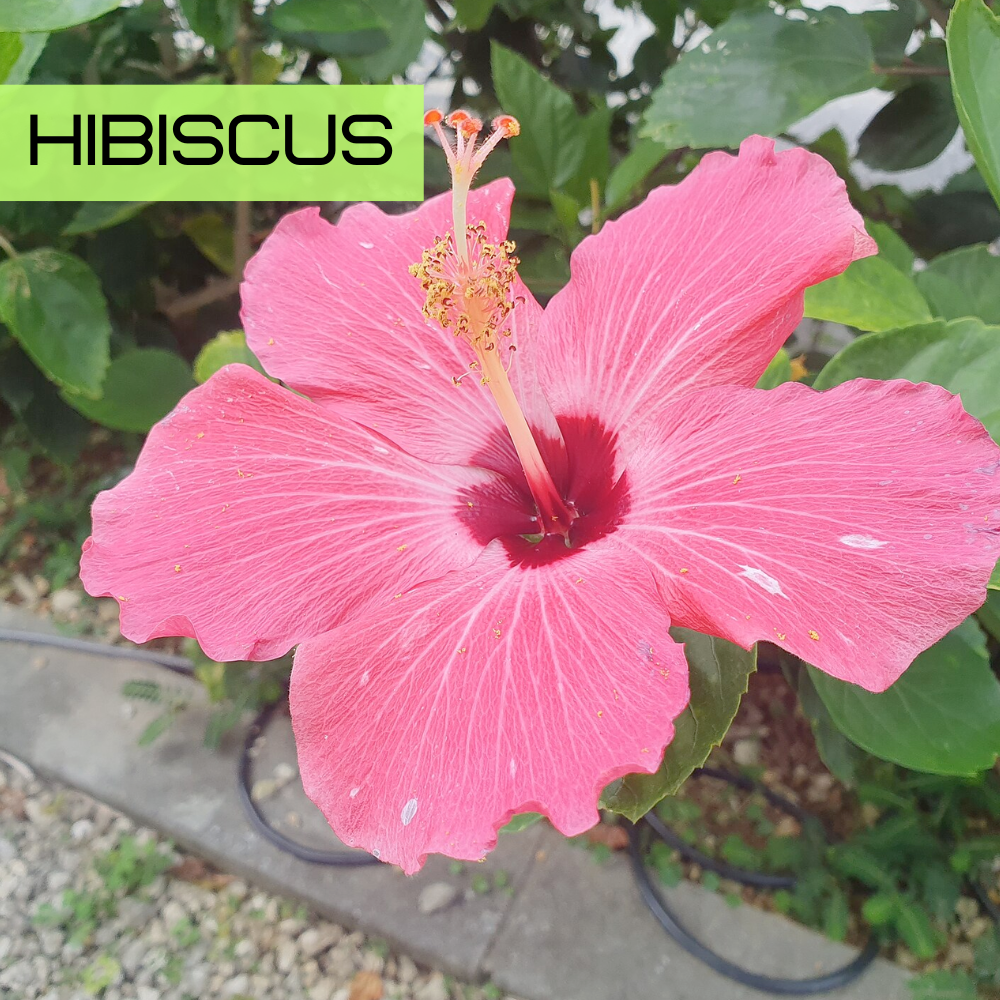
Few herbal teas are as visually stunning as hibiscus. The deep crimson calyces brew into a tart, jewel-toned drink that is as beautiful as it is medicinal. Hibiscus is rich in anthocyanins, which are the same antioxidant pigments found in blueberries, grapes, and, of course, red wine, and multiple clinical studies have demonstrated its ability to modestly lower blood pressure in people with mild hypertension. It is cooling, hydrating, and high in vitamin C.
In Mexico, it is known as agua de jamaica. In Egypt, it is karkade; West Africa, it is bissap. Every hot-climate culture that encounters hibiscus seems to independently discover its virtue as a cooling summer drink.
Lemon Balm (Melissa officinalis)
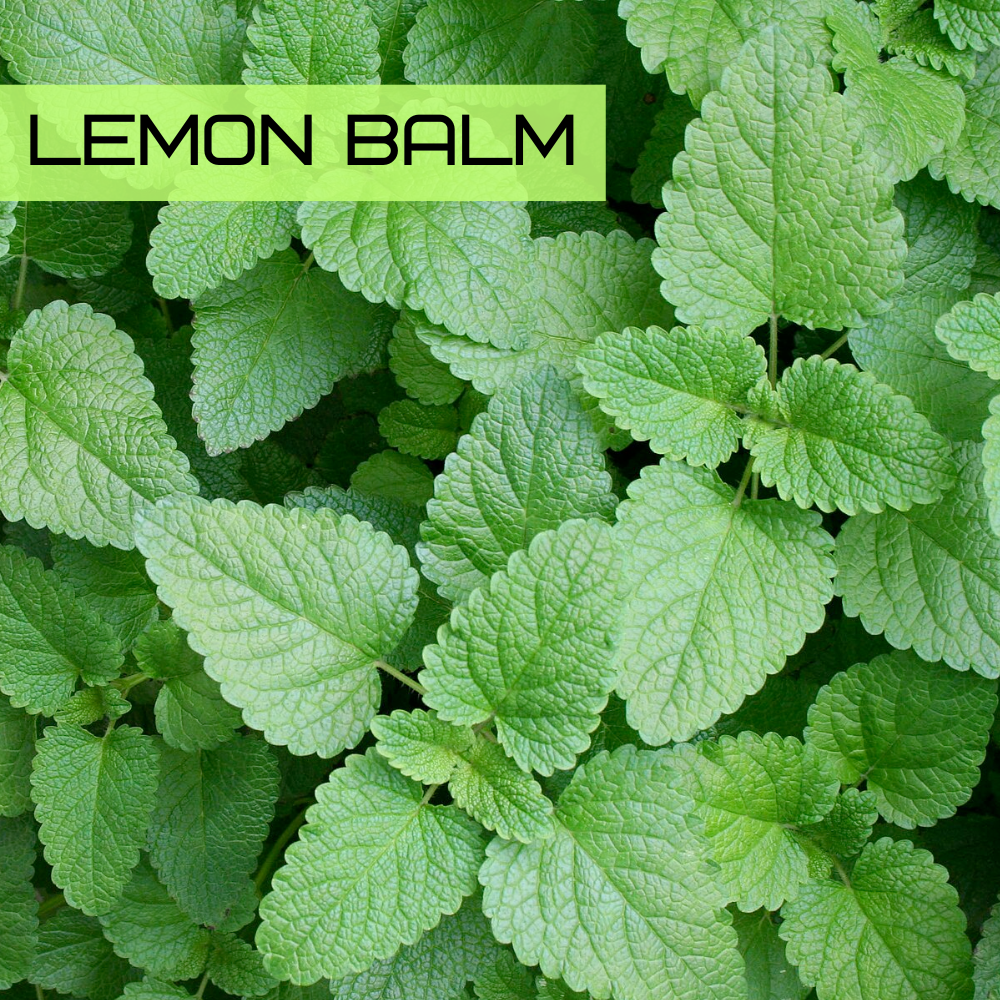
The name Melissa comes from the Greek word for honeybee, and indeed, this fragrant mint-family herb is irresistible to our little bee friends. For humans, lemon balm is a gentle but effective nervine and adaptogen, a calming herb that reduces cortisol levels without sedation to modulate GABA and other hormone levels in the body. It is also a potent antiviral and supports healthy digestion.
A cup of lemon balm tea in the late afternoon is one of summer’s finest pleasures. Its flavor palate is bright, lemony, subtly sweet, and quietly calming. Harvest the leaves before the plant flowers for the strongest flavor and highest essential oil content.
Peppermint (Mentha x piperita)
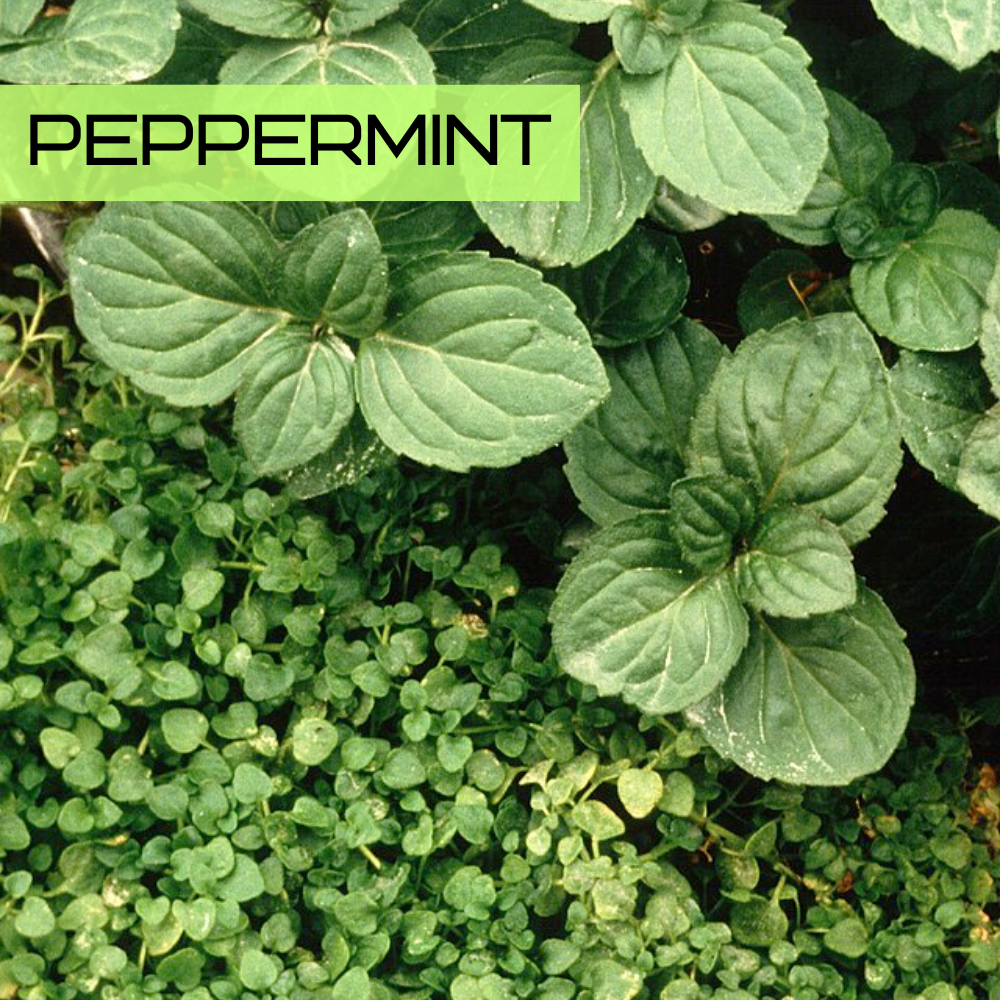
Peppermint needs little introduction. Its cooling menthol sensation makes it a natural summer herb, and its antispasmodic properties have been well-documented for digestive complaints; particularly bloating, gas, and mild stomach upset. Whenever you leave a restaurant, there’s often a bowl of peppermints sitting by the door, which is there not only to freshen your breath but also to help with post-meal digestion. Peppermint also opens the respiratory passages and can relieve tension headaches when sipped slowly.
Brew note: Always cover your peppermint tea while steeping. The volatile essential oils that give peppermint its medicinal potency are exactly the compounds that escape as steam. An uncovered cup of peppermint tea is a cup that has lost half its medicine to the air.
Autumn Teas: Immune Preparation and Warming
As the light shortens and the air cools, the body begins its preparation for the stress of winter. Autumn teas focus on building immune resilience, delivering concentrated vitamins, and introducing warmth.
Elderberry (Sambucus nigra)
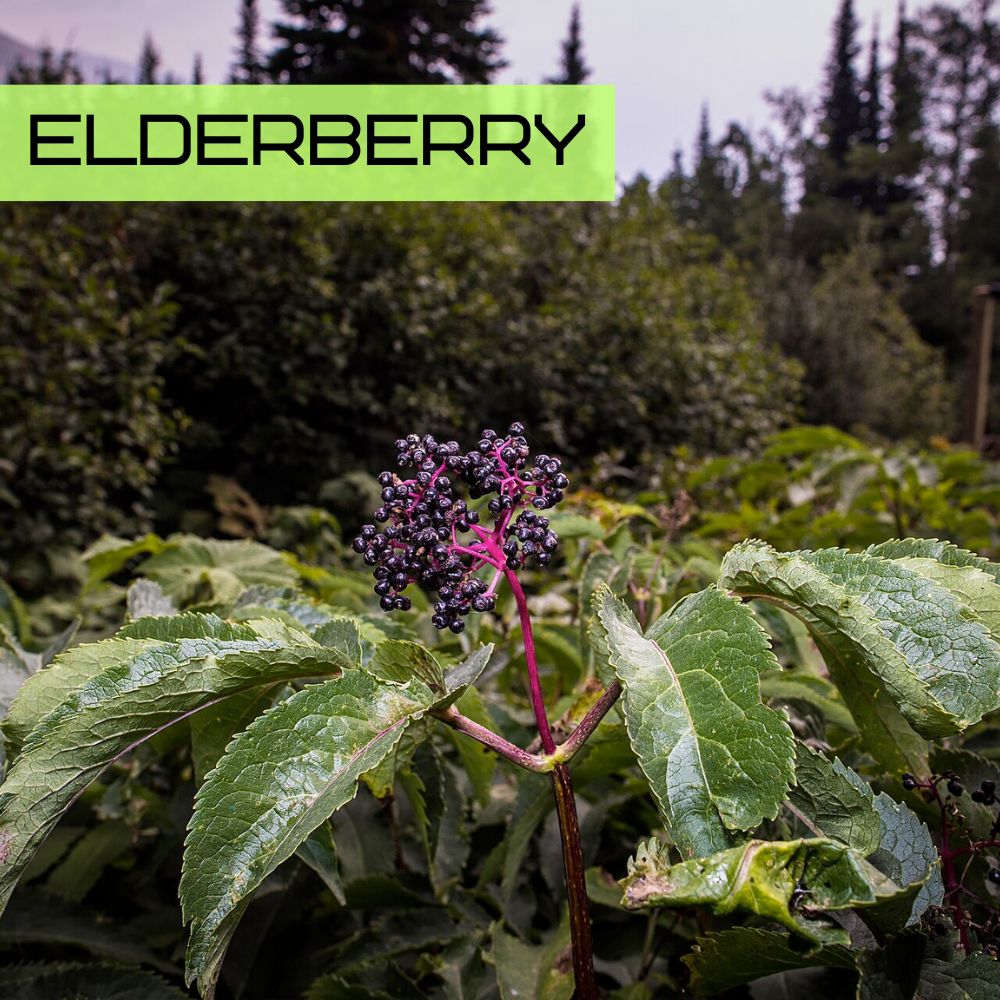
Elderberry has become something of a folk hero in recent years, and the attention is well-deserved. The dark purple berries are rich in anthocyanins and flavonoids that have demonstrated antiviral activity in multiple studies. A 2019 meta-analysis published in Complementary Therapies in Medicine found that elderberry supplementation significantly reduced the duration and severity of upper respiratory infections.
Elderberry is typically prepared as a decoction (simmered, not just steeped) or as a syrup. For tea, gently simmer dried elderberries for 15–20 minutes, strain, and sweeten with raw honey if desired. Important: Raw elderberries, bark, and leaves contain cyanogenic glycosides and must always be cooked before consumption.
Rosehip (Rosa canina and other species)
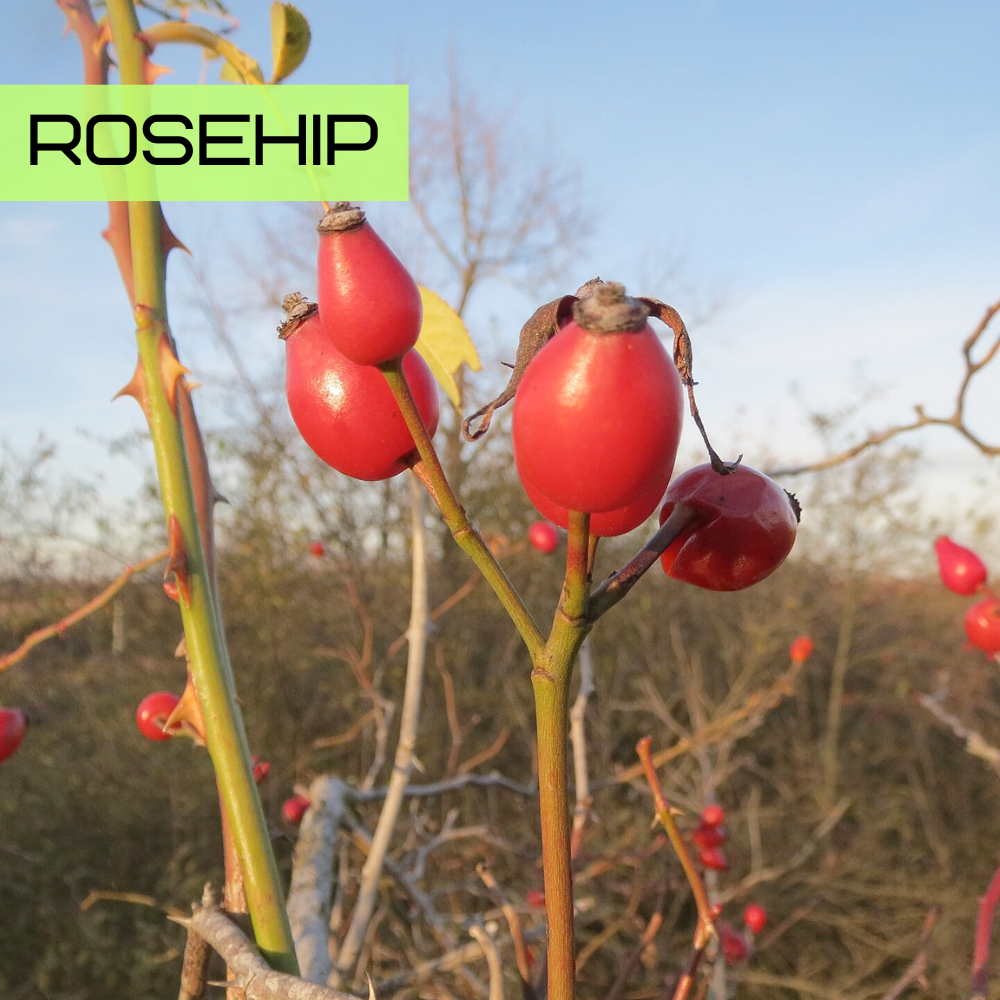
After roses finish blooming, they leave behind their fruit: the rosehip, a small, bright-red capsule packed with vitamin C — by some accounts, 20 to 40 times more per gram than oranges. Rosehips also contain vitamins A and E, along with anti-inflammatory compounds like galactolipids. Harvested after the first frost (which softens them and converts some starches to sugars), rosehips make a tart, fruity tea that blends beautifully with hibiscus and elderberry.
Ginger (Zingiber officinale)
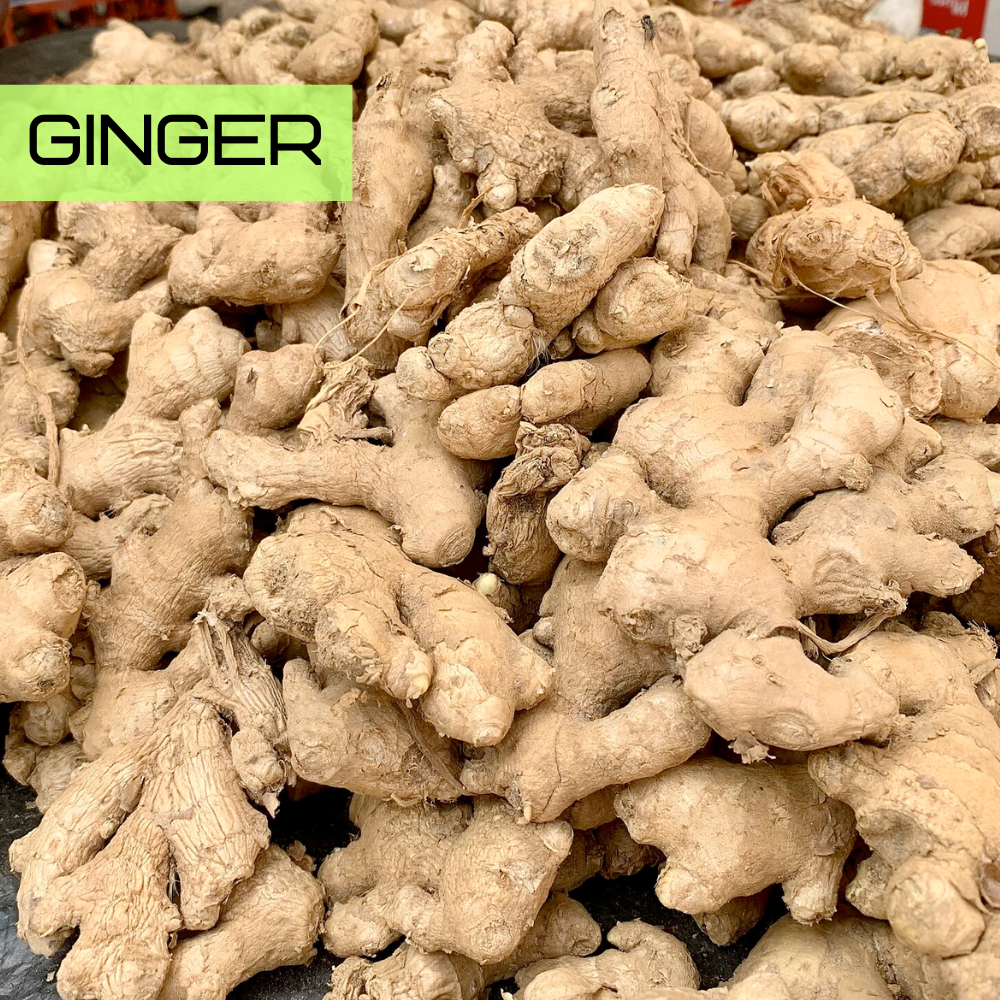
As autumn turns toward winter, ginger tea stokes the internal fire: improving peripheral circulation, calming nausea, and reducing inflammation. Fresh ginger root, sliced thin and simmered for 10–15 minutes, produces a spicy, invigorating decoction that pairs well with raw honey and lemon.
Ginger’s anti-inflammatory properties are attributed primarily to its gingerol compounds, which have been shown to inhibit the same inflammatory pathways targeted by NSAIDs like ibuprofen, just without the gastrointestinal side effects.
Winter Teas: Deep Immune Support and Adaptation
Winter demands the strongest allies. These are the herbs that fortify, warm from the core, and help the body adapt to the physiological stress of cold, darkness, and the peak of respiratory virus season.
Echinacea (Echinacea purpurea and E. angustifolia)
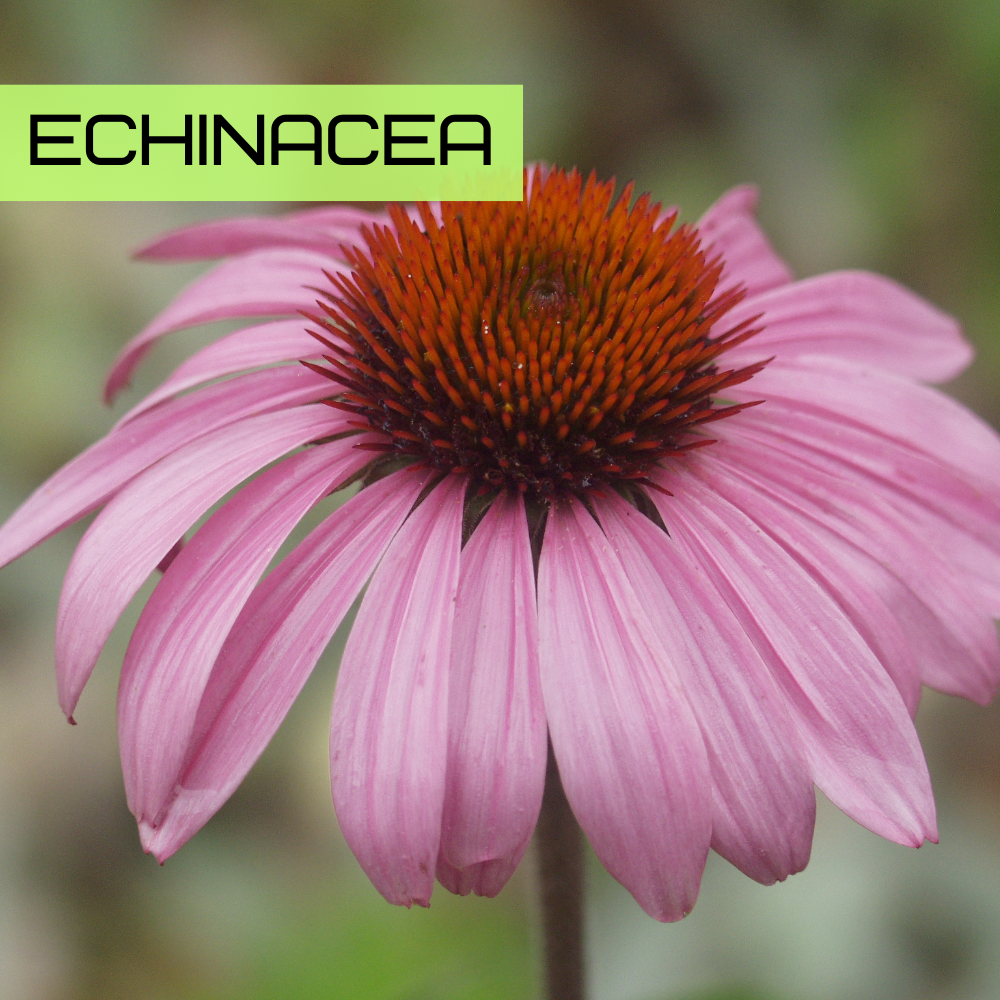
Echinacea is an immune stimulant, as it activates the innate immune system, increasing the activity of white blood cells and natural killer cells. This makes it most effective at the very onset of illness, taken at the first sign of a sore throat. It is less effective as a daily preventive, and some herbalists caution against prolonged daily use, recommending cycles of on-and-off use instead.
For tea, use a combination of dried echinacea root and flower tops. The root is stronger medicinally, as the flowers add a pleasant floral note. You will notice a distinctive tingling sensation on the tongue, which is a sign of the alkamide compounds that are partly responsible for echinacea’s immune-stimulating effects.
Pine Needle (Pinus spp.)
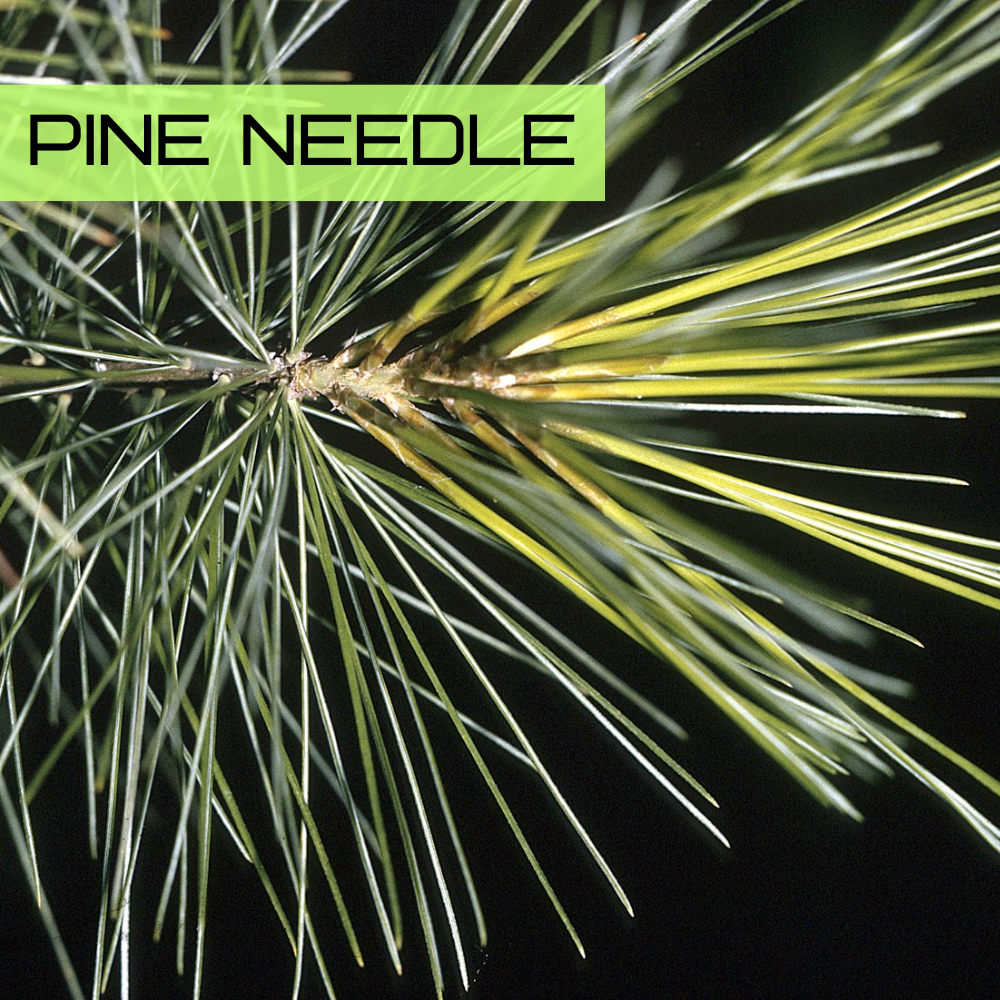
The fresh green needles of many pine species (white pine, Scots pine, and others) are rich in vitamin C and contain shikimic acid, the same compound from which Tamiflu was originally derived. When brewed into a tea, the flavor tastes bright, resinous, and surprisingly pleasant, like drinking a forest.
This is a deeply local, wildcraft-able winter tea. In most temperate climates, pine needles are available year-round, even in deep snow. Simply harvest a small handful of green needles, chop them finely, and steep in hot (not boiling) water for 10–15 minutes. Caution: Avoid yew (Taxus), Norfolk Island pine, and Ponderosa pine, which are toxic. If you are not certain of your identification, consult a field guide or experienced forager.
Tulsi / Holy Basil (Ocimum tenuiflorum)
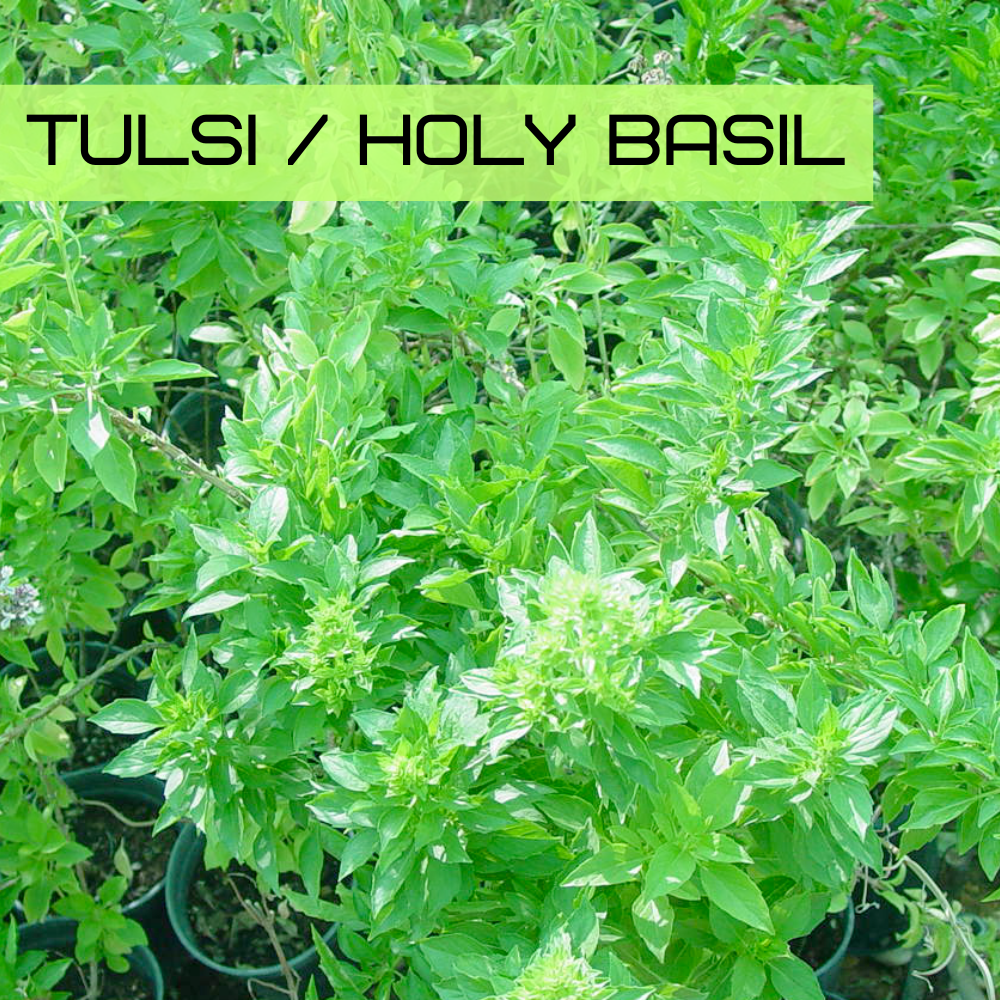
Tulsi is one of Ayurveda’s most revered herbs, classified as a rasayana, which is a rejuvenating tonic that promotes longevity and well-being. In modern pharmacological terms, tulsi is an adaptogen: it helps the body modulate its stress response, supporting the adrenal system and promoting homeostasis. It is also antimicrobial, anti-inflammatory, and mildly uplifting to mood.
Three main varieties are used medicinally: Rama (green leaf, mild), Krishna (purple leaf, peppery), and Vana (wild, more lemony), which all make for excellent herbal tea. Tulsi is one of the easiest medicinal herbs to grow in a home garden and produces prolifically through the summer, providing ample material for drying and winter use.
How to Properly Brew Herbal Teas
The difference between a medicinally potent herbal tea and flavored hot water often comes down to technique.
Leaves and flowers (nettle, peppermint, lemon balm, tulsi): Use water just off the boil (200–212°F / 93–100°C). Steep 10–15 minutes minimum, covered. For mineral-rich herbs like nettle, steep up to 4 hours.
Roots, bark, and seeds (ginger, echinacea root, elderberry): These require a decoction — simmering in water for 15–30 minutes, covered. Simple steeping will not extract their deeper compounds.
Delicate aromatics (lemon balm, chamomile): Always cover the vessel while steeping. Volatile essential oils are the first thing to escape as steam, and they are often the most medicinally active constituents.
General ratios: Use 1–2 tablespoons of dried herb (or 2–3 tablespoons fresh) per 8 ounces of water. For a strong medicinal infusion, use 1 ounce (about 1 cup loosely packed) of dried herb per quart of water.
Water quality matters. Chlorinated tap water can interfere with extraction and alter flavor. Filtered or spring water is preferable.
Growing Your Own Tea Garden
One of the most satisfying expressions of solarpunk self-reliance is growing the herbs you drink. Many medicinal tea herbs are remarkably easy to cultivate or forage, even for beginners.
Easiest to grow (nearly foolproof): Peppermint and lemon balm (aggressive spreaders, so please contain them in pots or dedicated beds), tulsi (annual, starts easily from seed), chamomile (self-sowing annual), calendula (not covered above, but a wonderful skin-healing tea herb).
Moderate difficulty: Echinacea (perennial, slow to establish but long-lived), lavender (needs well-drained soil), nettle (once established, you will never lack it).
Worth attempting: Ginger (can be grown in pots indoors in cooler climates from grocery-store rhizomes), hibiscus (tropical, but thrives in pots brought indoors for winter in temperate zones).
A collection of five or six potted herbs on a sunny balcony can supply a meaningful portion of your herbal tea for the year. The key is choosing herbs you will actually drink and manage the growth of, planting enough to harvest regularly without depleting the plants, and learning to dry and store your harvest. For more on growing your own food and medicine, see our guide on companion planting.
Drying and Storing Herbs for Year-Round Teas
Proper drying preserves the volatile oils, color, and potency of your herbs. The goal is to remove moisture quickly enough to prevent mold, but gently enough to retain medicinal compounds.
Air drying is the simplest method. Bundle small bunches of stems with twine and hang them upside down in a warm, dry, well-ventilated area out of direct sunlight. Most herbs will dry in 5–10 days. They are ready when stems snap cleanly and leaves crumble easily between your fingers.
Dehydrator drying (95–105°F / 35–40°C) is faster and more reliable, especially in humid climates. Spread herbs in a single layer on dehydrator trays.
Storage: Strip dried leaves from stems and store in airtight glass jars in a cool, dark cupboard. Label each jar with the herb name and harvest date. Most dried herbs retain good potency for 12–18 months. After that, they gradually lose their volatile oils and medicinal strength — if a dried herb has no aroma when you crush it, it is past its prime.
Safety: What Every Herbal Tea Drinker Should Know
Herbal does not mean harmless. Plants contain powerful bioactive compounds, and responsible use requires awareness of potential risks.
Drug interactions: St. John’s Wort is a potent inducer of liver enzymes and can reduce the effectiveness of birth control pills, blood thinners, immunosuppressants, and many other medications. Licorice root can raise blood pressure and interact with heart medications. Chamomile may enhance the effect of blood thinners. If you take pharmaceutical medications, consult a knowledgeable herbalist or pharmacist before adding medicinal herbal teas to your routine.
Pregnancy and nursing: Many herbs commonly used in teas are contraindicated during pregnancy. These include, but are not limited to: sage (in large amounts), pennyroyal (extremely dangerous), mugwort, blue cohosh, and high doses of ginger. Nettle leaf is generally considered safe and even beneficial during the second and third trimesters, but raspberry leaf — a popular “pregnancy tea” — should be used with professional guidance regarding timing and dosage.
Allergies: If you are allergic to plants in the Asteraceae/Compositae family (ragweed, chrysanthemums, daisies), use caution with chamomile, echinacea, calendula, and dandelion, all of which belong to this family.
Quality matters: Source herbs from reputable suppliers who test for heavy metals, pesticide residues, and proper species identification. Wild-harvested and organically grown herbs are preferable. The herb industry is not well-regulated, so knowing your source is essential.
Disclaimer: This guide is for educational purposes only and is not a substitute for professional medical advice. Do not use herbal teas as a replacement for prescribed medications without consulting your healthcare provider. If you are pregnant, nursing, taking medications, or have a chronic health condition, seek professional guidance before beginning any herbal regimen.
Tea as Daily Ritual, Tea as Quiet Revolution
Wellness culture wants to sell you self-care in $40 bottles and monthly subscription boxes. Meanwhile, a bag of dried nettle leaf costs a few dollars and will last you weeks. Knowing how to work with herbs and make your own tea requires no middleman, no brand loyalty, nor algorithm. All you need is a kettle and a little curiosity.
Grow lemon balm on your windowsill and brew a cup on an anxious afternoon. You’re doing the same thing the first human who dropped a leaf into hot water did when they noticed it made them feel a little better.
This is solarpunk at its most practical. Through creating your own daily practice of paying attention to what’s growing around you and letting it take care of you in return, the kettle will sing. Its steam will carry volatile oils that were sunlight and rain and soil just weeks ago. You hold the cup in both hands and drink the season.
Welcome to creating your own personal apothecary.
Written by E. Silkweaver, founder of Futurespore.