Overview
A peppery, fast-growing salad green that has been cultivated since Roman times as both food and aphrodisiac. Arugula's distinctive mustardy bite comes from glucosinolates, the same cancer-fighting compounds found in broccoli. It bolts quickly in heat but thrives as a cool-season crop and readily self-seeds for continuous harvests.
Growing Conditions
How to Grow Arugula
Arugula (Eruca vesicaria subsp. sativa) is an annual forb/herb that grows to about 12 inches tall and 8 inches wide.
To grow arugula, give it full sun, though it tolerates a little shade. It is hardy across USDA hardiness zones 3–11. Plant it in moist, fertile, well-drained soil, at a slightly acidic pH of 6–7. It does best with even, moderate watering.
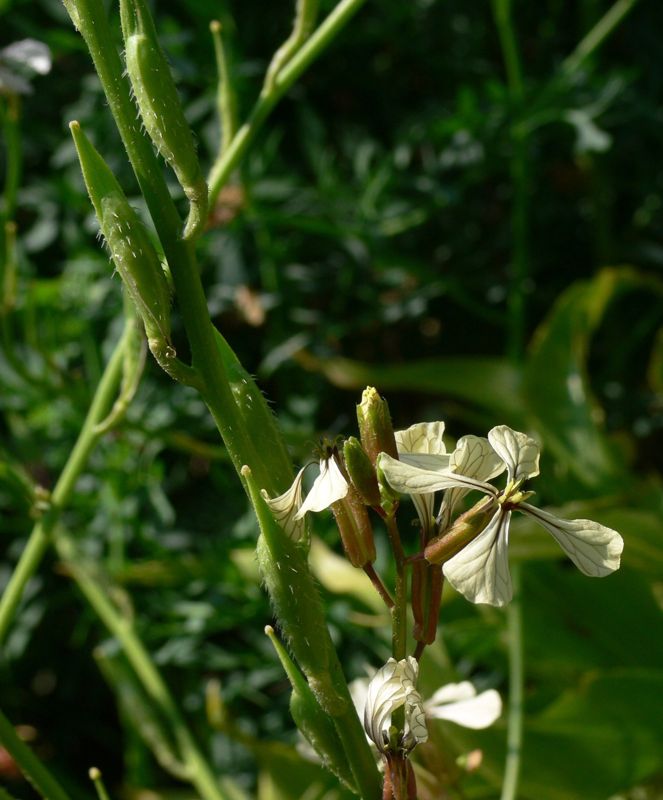
Exact sowing, transplanting, and harvest months shift by climate zone — the planting calendar below lays them out for cool through hot regions. Its flowers appear from May through August, offering moderate value to pollinators. An annual gives everything in a single season; enjoy it while it lasts.
Companion Planting & Soil
Arugula grows well alongside carrot, beet, onion, dill, and lettuce — but keep it clear of strawberry.
Good Companions
Avoid Planting Near
Planting Calendar
When to sow, transplant, and harvest by growing zone.
| Zone | Action | Months | Notes |
|---|---|---|---|
| Cold (1-2) | Direct Sow | May — Jun | Direct sow after last frost; succession sow every 2 weeks |
| Cold (1-2) | Harvest | Jun — Jul | Harvest baby leaves at 2-3"; cut-and-come-again |
| Cool (3-4) | Direct Sow | Mar — May | Succession sow every 2 weeks; bolts in heat |
| Cool (3-4) | Direct Sow | Aug — Sep | Fall sowing for autumn harvest |
| Cool (3-4) | Harvest | Apr — Jun | Harvest young leaves; becomes peppery with heat |
| Cool (3-4) | Harvest | Sep — Oct | Fall harvest |
| Moderate (5-7) | Direct Sow | Feb — Apr | Cool-season crop; succession sow every 2 weeks |
| Moderate (5-7) | Direct Sow | Sep — Oct | Fall sowing |
| Moderate (5-7) | Harvest | Mar — May | Harvest before bolting |
| Moderate (5-7) | Harvest | Oct — Nov | Fall harvest |
| Warm (8-9) | Direct Sow | Oct — Feb (wraps) | Grow fall through winter; bolts quickly in warmth |
| Warm (8-9) | Harvest | Nov — Mar (wraps) | Harvest during cool months |
| Hot (10+) | Direct Sow | Oct — Feb (wraps) | Cool-season crop only; bolts above 75°F |
| Hot (10+) | Harvest | Nov — Mar (wraps) | Harvest during winter |
Uses
In the Kitchen
In the kitchen, arugula turns up in more than one form: fresh in salads, sandwiches, and as pizza topping; blended into pesto as an alternative to basil; wilted into pasta and grain bowls.
Medicinal & Folk Use
In herbal and folk tradition, it has been valued in several ways: rich in glucosinolates with anti-cancer properties; high in vitamin K for bone health; contains nitrates that support cardiovascular function. These are traditional uses, not medical advice.
Beyond the Garden
Arugula earns its keep past the plate, too: quick-growing catch crop between slower vegetables; flowers attract beneficial pollinators.
The Field Library
Books from the Futurespore shelf that go deeper on plants like this one.
- Edible Wild Plants a photographic guide organized by season — good for checking an ID twice in the field
- The Resilient Gardener growing staple food through drought, flood, and hard seasons
These are Bookshop.org affiliate links — they support independent bookstores and earn Futurespore a small commission at no extra cost to you. Browse the full Futurespore Bookshelf.