 Ide64 / CC BY 4.0 · Source
Shallot
Allium cepa var. aggregatum
Overview
The gourmet onion of French cuisine, shallots have a sweet, complex, wine-like flavor that is less harsh than common onions. They grow in clusters of elongated bulbs, multiplying underground like garlic. Shallots are the foundation of countless French sauces, vinaigrettes, and mignonettes, and their subtle flavor allows them to be used raw where onions would be too strong.
Growing Conditions
How to Grow Shallot
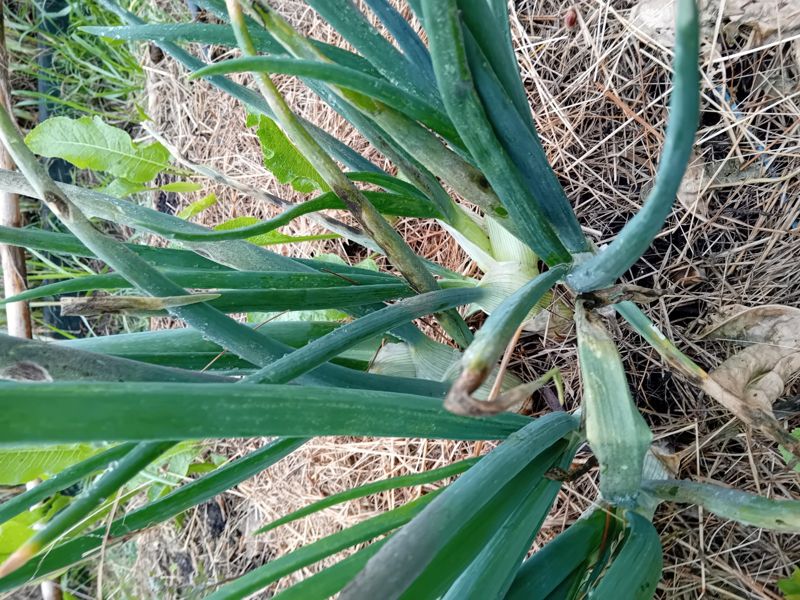
Shallot (Allium cepa var. aggregatum) is a perennial forb/herb that grows to about 1.5 feet tall and 6 inches wide.
To grow shallot, give it full sun. It is hardy across USDA hardiness zones 4–10. Plant it in rich, well-drained, loose, fertile soil, at a slightly acidic pH of 6–7. It does best with even, moderate watering.
Exact sowing, transplanting, and harvest months shift by climate zone — the planting calendar below lays them out for cool through hot regions. Its flowers appear from May through June, offering moderate value to pollinators. Give it a permanent corner; it will keep its side of the bargain for seasons to come.
Companion Planting & Soil
Shallot grows well alongside carrot, beet, lettuce, tomato, and strawberry — but keep it clear of bean and pea.
Good Companions
Avoid Planting Near
Planting Calendar
When to sow, transplant, and harvest by growing zone.
| Zone | Action | Months | Notes |
|---|---|---|---|
| Cold (1-2) | Direct Sow | Sep — Oct | Plant sets in fall; mulch before freeze |
| Cold (1-2) | Harvest | Jul — Aug | Harvest when tops yellow and fall over; cure 2 weeks |
| Cool (3-4) | Direct Sow | Sep — Oct | Plant sets in fall; can also plant spring |
| Cool (3-4) | Direct Sow | Mar — Apr | Spring planting alternative; smaller bulbs |
| Cool (3-4) | Harvest | Jun — Jul | Harvest when tops fall; cure in dry shade |
| Moderate (5-7) | Direct Sow | Oct — Nov | Plant sets in fall for largest bulbs |
| Moderate (5-7) | Harvest | May — Jul | Harvest when foliage dies back |
| Warm (8-9) | Direct Sow | Oct — Dec | Plant sets fall through early winter |
| Warm (8-9) | Harvest | Apr — Jun | Harvest when tops yellow |
| Hot (10+) | Direct Sow | Nov — Jan (wraps) | Plant in late fall; short-day varieties best |
| Hot (10+) | Harvest | Apr — May | Harvest in spring |
Uses
In the Kitchen
In the kitchen, shallot turns up in more than one form: foundation of French sauces (béarnaise, beurre blanc); minced raw in mignonette sauce and vinaigrettes; caramelized or roasted whole as a side dish.
Medicinal & Folk Use
In herbal and folk tradition, it has been valued in several ways: allicin compounds support cardiovascular health; rich in quercetin with anti-inflammatory properties; good source of vitamin B6 and manganese. These are traditional uses, not medical advice.
Beyond the Garden
Shallot earns its keep past the plate, too: multiplying bulbs — each planted shallot produces a cluster.
The Field Library
Books from the Futurespore shelf that go deeper on plants like this one.
- Northeast Foraging region-tuned wild food guidance with clear lookalike warnings
- Braiding Sweetgrass reframes growing and gathering as a relationship of reciprocity
These are Bookshop.org affiliate links — they support independent bookstores and earn Futurespore a small commission at no extra cost to you. Browse the full Futurespore Bookshelf.