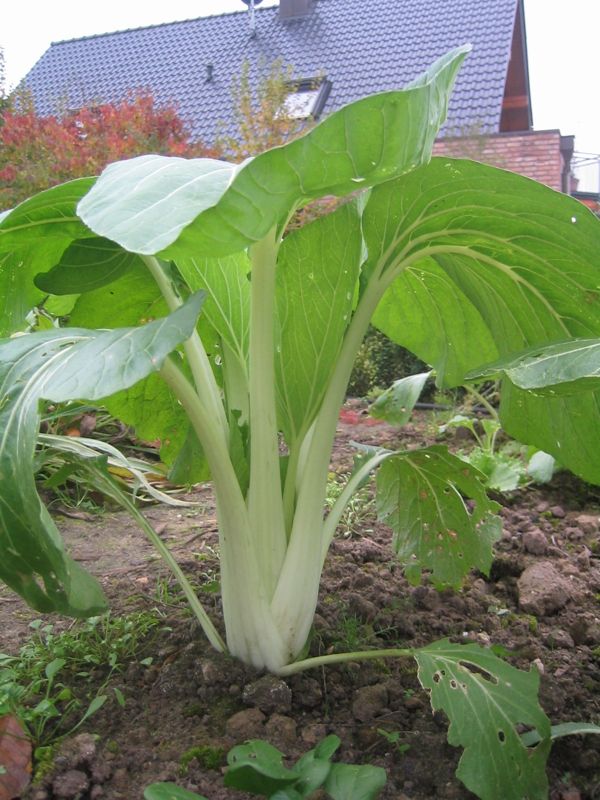
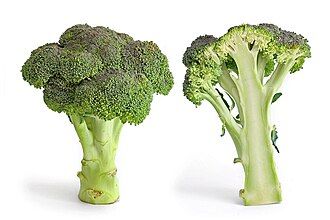
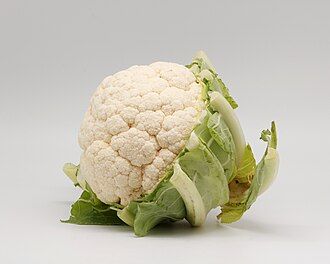
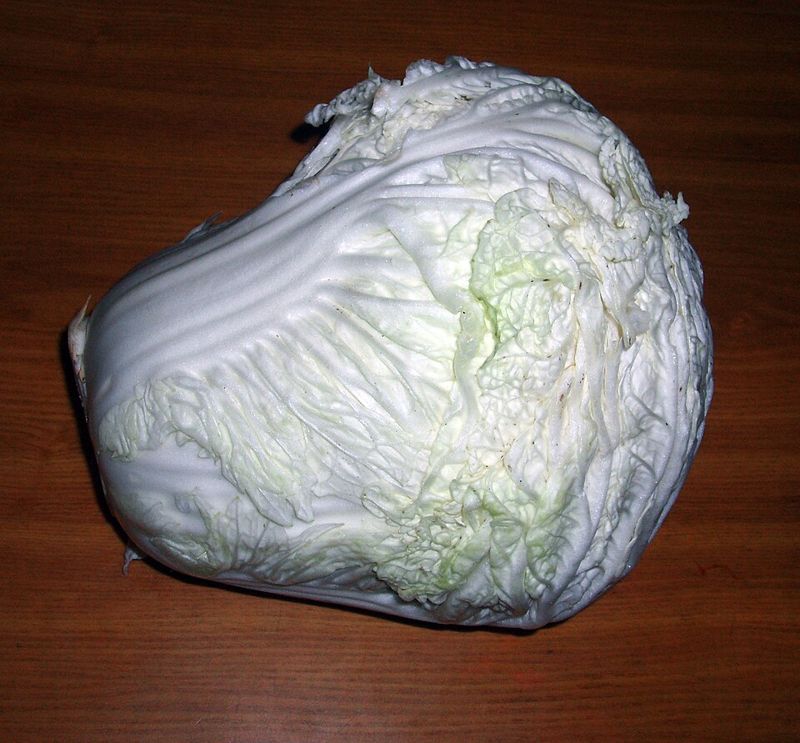
 Petr Pakandl / CC BY-SA 2.5 · Source
Mustard greens
Brassica juncea
Overview
Spicy, bold-flavored greens that bring heat and depth to salads, stir-fries, and Southern cooking traditions. Mustard greens come in a kaleidoscope of varieties — from the giant, crinkled leaves of Southern types to the beautiful red and purple Asian cultivars. Their pungent glucosinolates, the same compounds found in horseradish and wasabi, are among the most potent cancer-fighting phytochemicals in the plant kingdom.
Growing Conditions
How to Grow Mustard greens
Mustard greens (Brassica juncea) is an annual forb/herb that grows to about 4 feet tall and 12 inches wide.
To grow mustard greens, give it full sun, though it tolerates a little shade. It is hardy across USDA hardiness zones 9a–11. Plant it in rich, moist, well-drained soil, at a slightly acidic pH of 5.5–7. It does best with even, moderate watering.
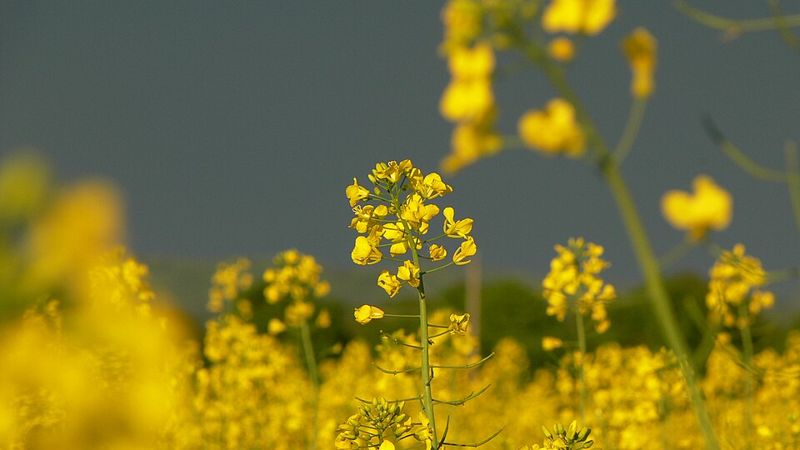
Exact sowing, transplanting, and harvest months shift by climate zone — the planting calendar below lays them out for cool through hot regions. Its yellow flowers appear from March through April, offering high value to pollinators. A generous plant — a harvest for you, and forage for the pollinators.
Companion Planting & Soil
Mustard greens grows well alongside celery, onion, pea, and dill — but keep it clear of strawberry.
Good Companions
Avoid Planting Near
Planting Calendar
When to sow, transplant, and harvest by growing zone.
| Zone | Action | Months | Notes |
|---|---|---|---|
| Cold (1-2) | Direct Sow | May — Jun | Direct sow after last frost; bolts quickly in heat |
| Cold (1-2) | Harvest | Jun — Jul | Harvest baby leaves or full size; 30-45 days |
| Cool (3-4) | Direct Sow | Mar — Apr | Sow early spring; succession sow every 2 weeks |
| Cool (3-4) | Direct Sow | Aug — Sep | Fall sowing for spicy greens |
| Cool (3-4) | Harvest | Apr — May | Harvest before bolting; cut-and-come-again |
| Cool (3-4) | Harvest | Sep — Oct | Fall harvest |
| Moderate (5-7) | Direct Sow | Feb — Apr | Cool-season crop; bolts above 75°F |
| Moderate (5-7) | Direct Sow | Aug — Oct | Fall crop; light frost sweetens leaves |
| Moderate (5-7) | Harvest | Mar — May | Harvest before heat |
| Moderate (5-7) | Harvest | Sep — Nov | Fall harvest |
| Warm (8-9) | Direct Sow | Sep — Nov | Fall/winter crop; too hot for spring |
| Warm (8-9) | Harvest | Nov — Feb (wraps) | Harvest during cool season |
| Hot (10+) | Direct Sow | Oct — Feb (wraps) | Cool-season crop only |
| Hot (10+) | Harvest | Nov — Mar (wraps) | Harvest during winter |
Uses
In the Kitchen
In the kitchen, mustard greens turns up in more than one form: braised with smoked meat in Southern cuisine; raw baby leaves in spicy salad mixes; stir-fried with garlic in Asian cooking.
Medicinal & Folk Use
In herbal and folk tradition, it has been valued in several ways: exceptionally high in glucosinolates for cancer prevention; rich in vitamins K, A, and C; anti-inflammatory and antioxidant properties. These are traditional uses, not medical advice.
Beyond the Garden
Mustard greens earns its keep past the plate, too: biofumigant cover crop — glucosinolates suppress soil pathogens when tilled in.
Safety Notes
Mustard is a common allergen (a labeled allergen in Europe). Otherwise an everyday food.
The Field Library
Books from the Futurespore shelf that go deeper on plants like this one.
- Medicinal Herbs: A Beginner's Guide the friendliest on-ramp to growing and using healing herbs at home
- Northeast Foraging region-tuned wild food guidance with clear lookalike warnings
- Braiding Sweetgrass reframes growing and gathering as a relationship of reciprocity
These are Bookshop.org affiliate links — they support independent bookstores and earn Futurespore a small commission at no extra cost to you. Browse the full Futurespore Bookshelf.