 Darkone (talk · contribs) / CC BY-SA 2.5 · Source
Parsnip
Pastinaca sativa
Overview
A sweet, earthy root vegetable that reaches its full potential only after exposure to frost, which converts its starches into sugars. Parsnips were the starchy staple of European cooking before the potato arrived from the Americas, and they remain beloved in British and Northern European cuisine. They require patience — taking 120+ days to mature — but reward with exceptional sweetness and depth of flavor.
Growing Conditions
How to Grow Parsnip
Parsnip (Pastinaca sativa) is a biennial forb/herb that grows to about 1.5 feet tall and 8 inches wide.
To grow parsnip, give it full sun. It is hardy across USDA hardiness zones 2–9. Plant it in deep, loose, stone-free, well-drained, sandy loam, at a slightly acidic pH of 6–7. It does best with even, moderate watering.
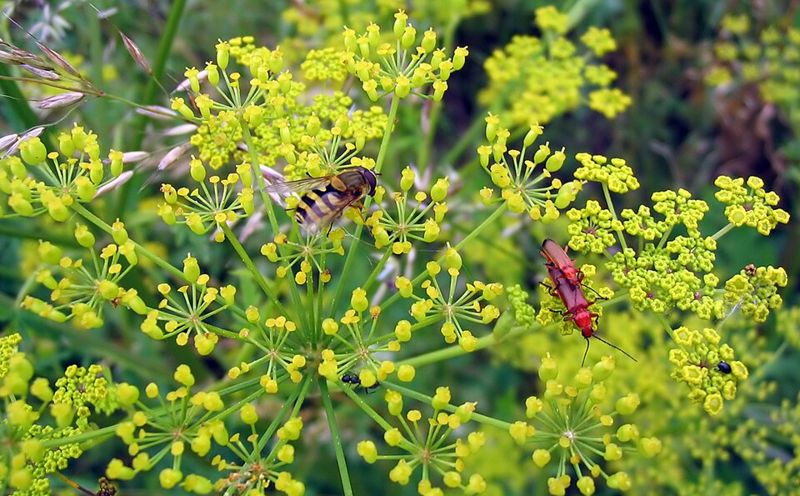
Exact sowing, transplanting, and harvest months shift by climate zone — the planting calendar below lays them out for cool through hot regions. Its flowers appear from June through August, offering high value to pollinators. A generous plant — a harvest for you, and forage for the pollinators.
Companion Planting & Soil
Parsnip grows well alongside pea, radish, onion, and garlic — but keep it clear of carrot, celery, and dill.
Good Companions
Avoid Planting Near
Planting Calendar
When to sow, transplant, and harvest by growing zone.
| Zone | Action | Months | Notes |
|---|---|---|---|
| Cold (1-2) | Direct Sow | May — May | Direct sow as soon as soil is workable; use fresh seed only |
| Cold (1-2) | Harvest | Sep — Oct | Harvest after first frost for sweetest flavor; can overwinter in ground |
| Cool (3-4) | Direct Sow | Mar — Apr | Sow early spring; germination is slow (2-4 weeks) |
| Cool (3-4) | Harvest | Sep — Nov | Harvest after frost; mulch heavily to overwinter in ground |
| Moderate (5-7) | Direct Sow | Feb — Apr | Sow early spring; keep soil moist during 2-4 week germination |
| Moderate (5-7) | Harvest | Sep — Dec | Frost sweetens roots; dig as needed through winter |
| Warm (8-9) | Direct Sow | Jan — Feb | Sow in late winter; needs 100-120 days to mature |
| Warm (8-9) | Harvest | May — Jul | Harvest before summer heat; flavor best after cool nights |
| Hot (10+) | Direct Sow | Oct — Dec | Sow in fall for winter harvest; struggles in hot summers |
| Hot (10+) | Harvest | Feb — Apr | Harvest in late winter/early spring |
Uses
In the Kitchen
In the kitchen, parsnip turns up in more than one form: roasted until caramelized for unparalleled sweetness; pureed into soups and mash (often with potato); added to stews and pot pies for depth.
Medicinal & Folk Use
In herbal and folk tradition, it has been valued in several ways: high in folate and potassium; fiber-rich for digestive and heart health; contains falcarinol, studied for anti-cancer properties. These are traditional uses, not medical advice.
Beyond the Garden
Parsnip earns its keep past the plate, too: overwinters in the ground for spring harvest; sweetens after frost — a true winter delicacy.
Safety Notes
Foliage causes phytophotodermatitis — sap + sunlight causes severe burns and blisters. Wear gloves and long sleeves when harvesting.
The Field Library
Books from the Futurespore shelf that go deeper on plants like this one.
- Medicinal Herbs: A Beginner's Guide the friendliest on-ramp to growing and using healing herbs at home
- Northeast Foraging region-tuned wild food guidance with clear lookalike warnings
- Braiding Sweetgrass reframes growing and gathering as a relationship of reciprocity
These are Bookshop.org affiliate links — they support independent bookstores and earn Futurespore a small commission at no extra cost to you. Browse the full Futurespore Bookshelf.