Napa cabbage
Brassica rapa var. pekinensis
Overview
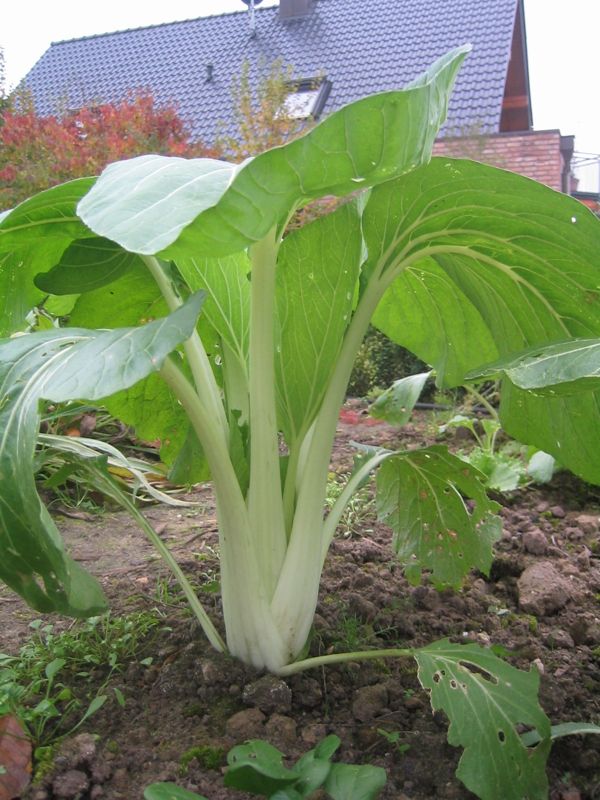
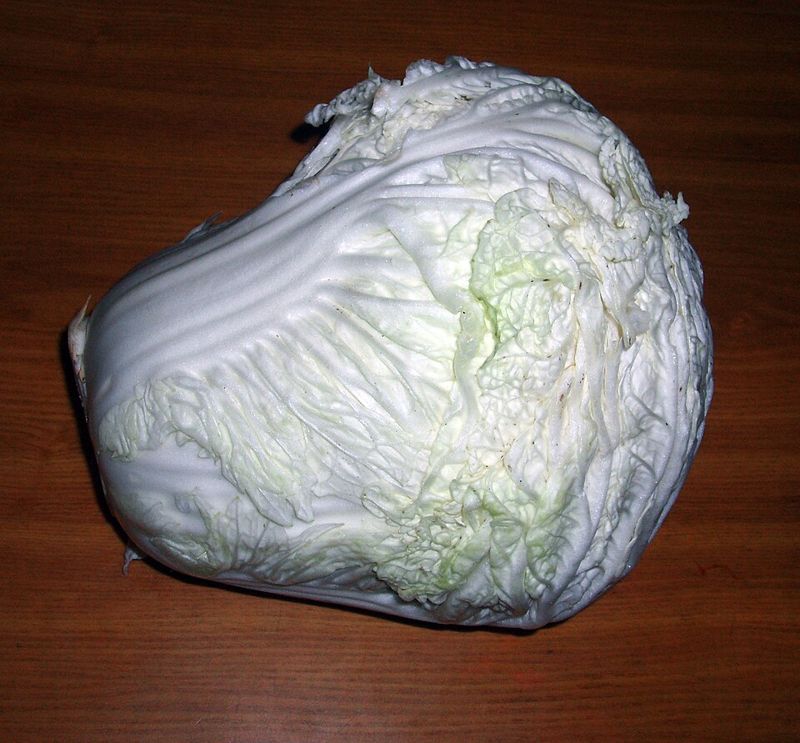
A mild, sweet, barrel-shaped Chinese cabbage that is the base of kimchi, the Korean national dish. Its tender, crisp leaves with thick white ribs are incredibly versatile, equally at home in salads, stir-fries, and slow-braised dishes. Napa cabbage matures quickly in cool weather and is more tender and delicately flavored than European cabbage varieties.
Mentioned in The Mycelial Grimoire
Posts on the Grimoire that reference Napa cabbage.
Growing Conditions
How to Grow Napa cabbage
Napa cabbage (Brassica rapa var. pekinensis) is a forb/herb that grows to about 1.5 feet tall and 12 inches wide.
To grow napa cabbage, give it full sun. It is hardy across USDA hardiness zones 4–9. Plant it in rich, moist, well-drained soil with plenty of nitrogen, at a slightly acidic pH of 6–7.5. It does best with even, moderate watering.
Exact sowing, transplanting, and harvest months shift by climate zone — the planting calendar below lays them out for cool through hot regions. Give it what it asks for here, and it will find its place in the garden.
Companion Planting & Soil
Napa cabbage grows well alongside celery, onion, dill, chamomile, and nasturtium — but keep it clear of strawberry and tomato.
Good Companions
Avoid Planting Near
Planting Calendar
When to sow, transplant, and harvest by growing zone.
| Zone | Action | Months | Notes |
|---|---|---|---|
| Cold (1-2) | Start Indoors | Mar — Apr | Start indoors 4-6 weeks before last frost; bolts easily in long days |
| Cold (1-2) | Direct Sow | Jun — Jul | Direct sow midsummer for fall harvest — more reliable than spring |
| Cold (1-2) | Harvest | Aug — Oct | Harvest when heads are firm; cut at base; withstands light frost |
| Cool (3-4) | Direct Sow | Jul — Aug | Summer sow for fall harvest; heads form as days shorten |
| Cool (3-4) | Harvest | Sep — Nov | Fall harvest; excellent for kimchi and stir-fry |
| Moderate (5-7) | Direct Sow | Jul — Aug | Fall crop is best; spring plantings bolt in warming days |
| Moderate (5-7) | Harvest | Sep — Nov | Harvest before hard freeze; or protect with row cover |
| Warm (8-9) | Direct Sow | Sep — Oct | Fall sow for winter harvest; needs 60-70 days |
| Warm (8-9) | Harvest | Nov — Jan (wraps) | Winter harvest from fall sowing |
| Hot (10+) | Direct Sow | Oct — Nov | Cool-season crop only; heads best in short days |
| Hot (10+) | Harvest | Dec — Jan (wraps) | Harvest during coolest months |
Uses
In the Kitchen
In the kitchen, napa cabbage turns up in more than one form: essential base for Korean kimchi; stir-fried in Chinese and Southeast Asian cuisine; raw in salads and slaws.
Medicinal & Folk Use
In herbal and folk tradition, it has been valued in several ways: rich in glucosinolates with cancer-protective properties; high in vitamin C and folate; fiber-rich for digestive health. These are traditional uses, not medical advice.
Beyond the Garden
Napa cabbage earns its keep past the plate, too: fast-growing cool-season crop for succession planting.
The Field Library
Books from the Futurespore shelf that go deeper on plants like this one.
- Northeast Foraging region-tuned wild food guidance with clear lookalike warnings
- Braiding Sweetgrass reframes growing and gathering as a relationship of reciprocity
These are Bookshop.org affiliate links — they support independent bookstores and earn Futurespore a small commission at no extra cost to you. Browse the full Futurespore Bookshelf.