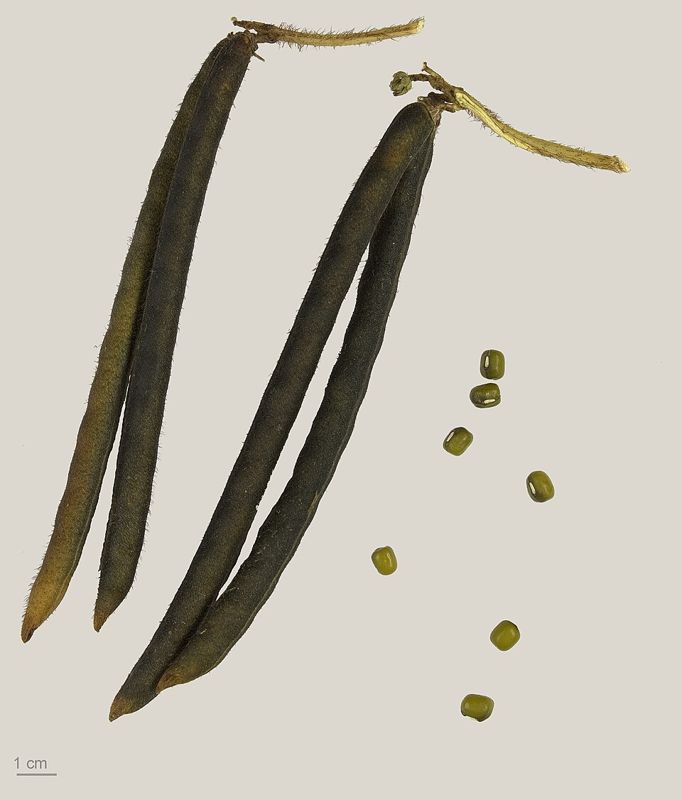
 Roger Culos / CC BY-SA 3.0 · Source
Mung bean
Vigna radiata
Overview
A versatile Asian legume most famous in the West as the source of the bean sprouts found in stir-fries and pho. Whole mung beans are a staple across India and Southeast Asia, used in dal, desserts, and savory cakes. They sprout in just 3-5 days on a countertop, making them one of the most accessible homegrown fresh foods available.
Growing Conditions
How to Grow Mung bean
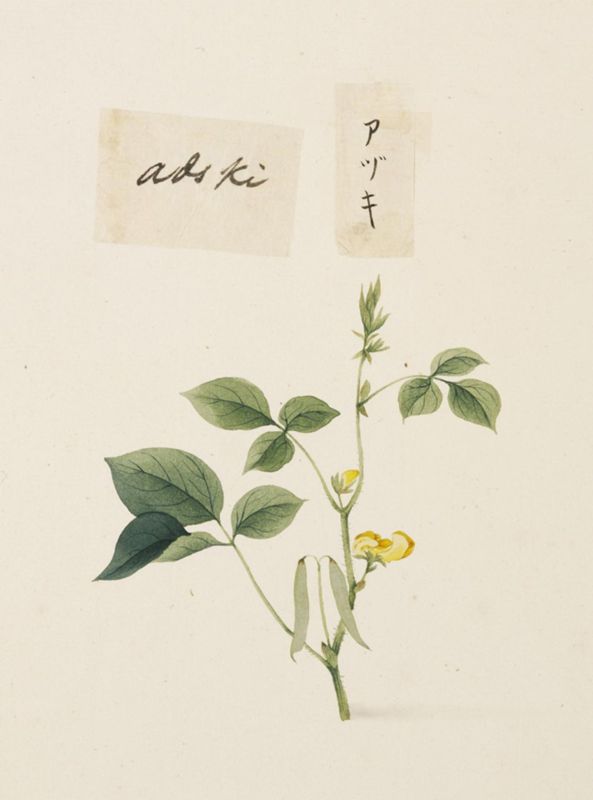
Mung bean (Vigna radiata) is a forb/herb that grows to about 3 feet tall and 8 inches wide.
To grow mung bean, give it partial sun to partial shade. It is hardy across USDA hardiness zones 12a–13. Plant it in well-drained, sandy or loamy soil, at a slightly acidic pH of 6–7. It does best with even, moderate watering.
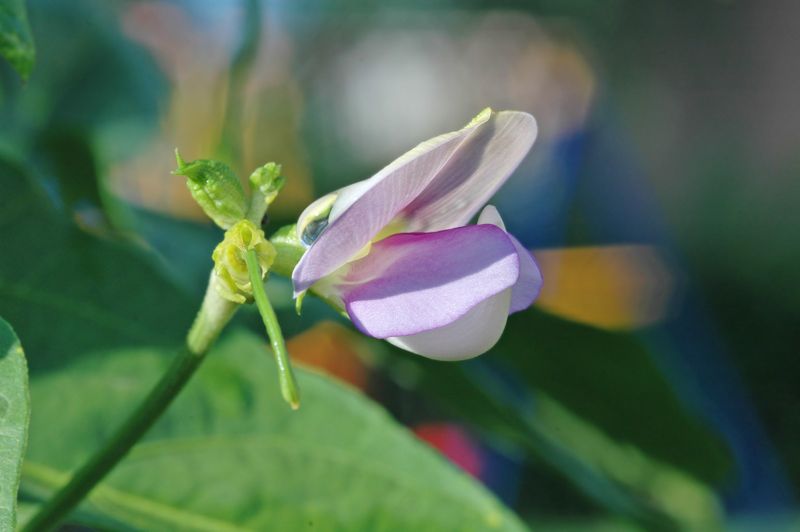
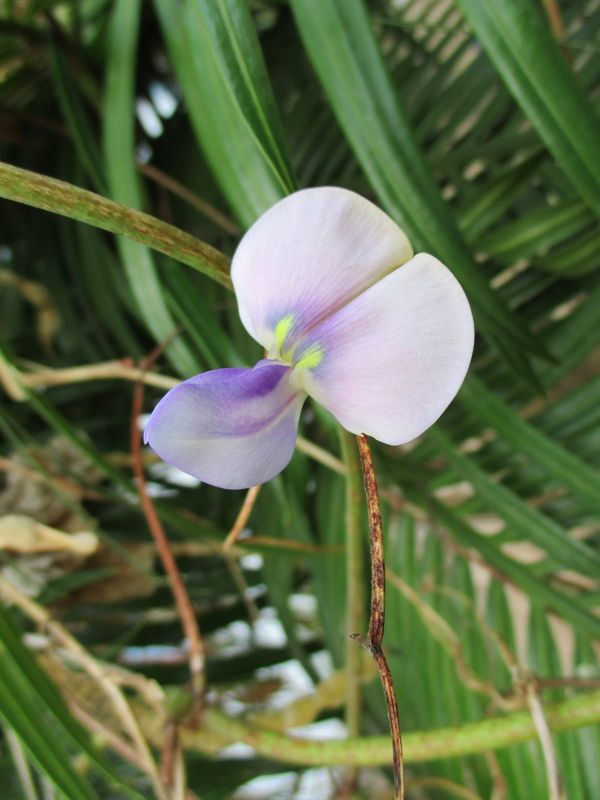
Exact sowing, transplanting, and harvest months shift by climate zone — the planting calendar below lays them out for cool through hot regions. Its yellow flowers appear from June through August, offering high value to pollinators. It feeds two tables at once: yours and the pollinators’.
Companion Planting & Soil
Mung bean grows well alongside corn, squash, and sunflower — but keep it clear of onion and garlic.
Good Companions
Avoid Planting Near
Planting Calendar
When to sow, transplant, and harvest by growing zone.
| Zone | Action | Months | Notes |
|---|---|---|---|
| Cold (1-2) | Direct Sow | Jun — Jun | Direct sow after all frost; needs 90-120 warm days; short-season varieties |
| Cold (1-2) | Harvest | Aug — Sep | Harvest when pods are dry and brown; or eat green like snap beans |
| Cool (3-4) | Direct Sow | May — Jun | Direct sow when soil is 65°F+; space 4" apart in rows |
| Cool (3-4) | Harvest | Aug — Oct | Pick dry pods; thresh and winnow; or use for sprouting |
| Moderate (5-7) | Direct Sow | May — Jul | Direct sow after last frost; drought tolerant once established |
| Moderate (5-7) | Harvest | Jul — Oct | Harvest dry pods; excellent for sprouting in 3-5 days |
| Warm (8-9) | Direct Sow | Mar — Jun | Direct sow in spring; also grows well as a sprouting bean |
| Warm (8-9) | Harvest | Jun — Sep | Harvest when 90% of pods are dry |
| Hot (10+) | Direct Sow | Feb — May | Sow in spring; thrives in heat; also sprout indoors year-round |
| Hot (10+) | Harvest | May — Aug | Harvest dry beans; store in airtight container |
Uses
In the Kitchen
In the kitchen, mung bean turns up in more than one form: sprouted for salads, stir-fries, and spring rolls; cooked whole in Indian dal and soups; ground into flour for pancakes and noodles (mung bean vermicelli).
Medicinal & Folk Use
In herbal and folk tradition, it has been valued in several ways: rich in folate, iron, and manganese; cooling food in Traditional Chinese Medicine; high fiber and protein support blood sugar regulation. These are traditional uses, not medical advice.
Beyond the Garden
Mung bean earns its keep past the plate, too: fast-sprouting for home sprout production; nitrogen-fixing summer cover crop.
Safety Notes
Raw sprouts of any kind can carry Salmonella and E. coli — a warm, damp sprouting jar is a fine incubator. Rinse well, keep them cold, and cook sprouts for anyone pregnant, elderly or immunocompromised.
The Field Library
Books from the Futurespore shelf that go deeper on plants like this one.
- The Modern Herbal Dispensatory a working reference for tinctures, salves, and doses once you get serious
- Northeast Foraging region-tuned wild food guidance with clear lookalike warnings
- Braiding Sweetgrass reframes growing and gathering as a relationship of reciprocity
These are Bookshop.org affiliate links — they support independent bookstores and earn Futurespore a small commission at no extra cost to you. Browse the full Futurespore Bookshelf.