Apple
Malus domestica
Overview
One of humanity's oldest cultivated fruits, apples have been grown for over 4,000 years and now exist in more than 7,500 named varieties worldwide. From the wild forests of Kazakhstan to backyard orchards everywhere, the apple tree is a cornerstone of temperate food systems. Most apple varieties require cross-pollination from a different cultivar to set fruit.
Growing Conditions
How to Grow Apple
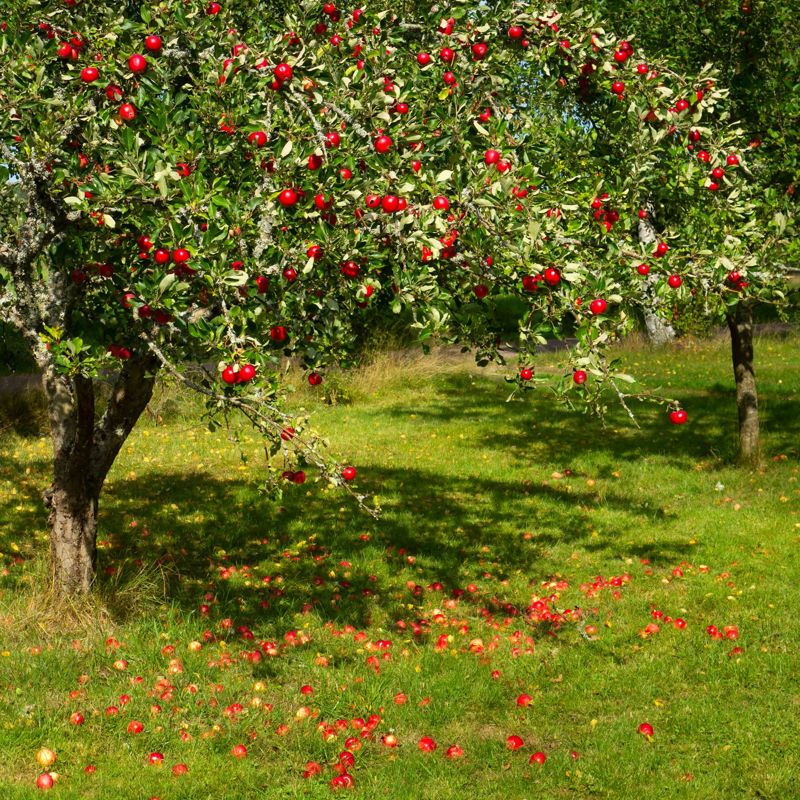
Apple (Malus domestica) is a tree that grows to about 30 feet tall and 26 feet wide.
To grow apple, give it full sun. It is hardy across USDA hardiness zones 1a–9. Plant it in deep, well-drained, fertile loam, at a slightly acidic pH of 6–7. It does best with even, moderate watering.
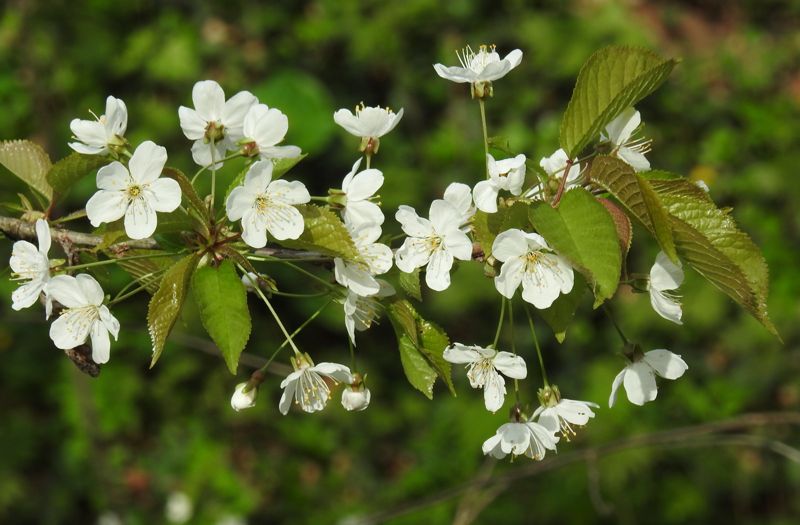
Exact sowing, transplanting, and harvest months shift by climate zone — the planting calendar below lays them out for cool through hot regions. Its purple flowers appear from April through May, offering high value to pollinators. Food and forage in one stand — plant it where both you and the pollinators can reach.
Companion Planting & Soil
Apple grows well alongside chives, nasturtium, comfrey, dill, and clover — but keep it clear of walnut, potato, and grass.
Good Companions
Avoid Planting Near
Planting Calendar
When to sow, transplant, and harvest by growing zone.
| Zone | Action | Months | Notes |
|---|---|---|---|
| Cold (1-2) | Transplant | May — May | Plant bare-root in spring; choose cold-hardy rootstock |
| Cool (3-4) | Transplant | Apr — May | Plant bare-root in early spring before bud break |
| Moderate (5-7) | Transplant | Feb — Mar | Plant bare-root in late winter; full sun required |
| Moderate (5-7) | Harvest | Aug — Oct | Harvest when fruit separates easily with a twist |
| Moderate (5-7) | Prune | Jan — Mar | Prune during dormancy; open center or central leader form |
Uses
In the Kitchen
In the kitchen, apple turns up in more than one form: fresh eating, pies, crisps, and cider; dried into chips or fruit leather; fermented into hard cider and apple cider vinegar.
Medicinal & Folk Use
In herbal and folk tradition, it has been valued in several ways: pectin supports gut health and cholesterol management; quercetin-rich skin provides anti-inflammatory benefits; malic acid supports energy production. These are traditional uses, not medical advice.
Beyond the Garden
Apple earns its keep past the plate, too: wood prized for smoking meats; blossoms are important early-season pollinator food; heritage varieties preserve genetic diversity.
Safety Notes
All members of this genus contain the toxin hydrogen cyanide in their seeds and possibly also in their leaves, but not in their fruits. Hydrogen cyanide is the substance that gives almonds their characteristic taste but it should only be consumed in very small quantities. Apple seeds do not normally contain very high quantities of hydrogen cyanide but, even so, should not be consumed in very large quantities. In small quantities, hydrogen cyanide has been shown to stimulate respiration and impro
The Field Library
Books from the Futurespore shelf that go deeper on plants like this one.
- Northeast Foraging region-tuned wild food guidance with clear lookalike warnings
- Braiding Sweetgrass reframes growing and gathering as a relationship of reciprocity
These are Bookshop.org affiliate links — they support independent bookstores and earn Futurespore a small commission at no extra cost to you. Browse the full Futurespore Bookshelf.