Rutabaga
Brassica napus var. napobrassica
Overview
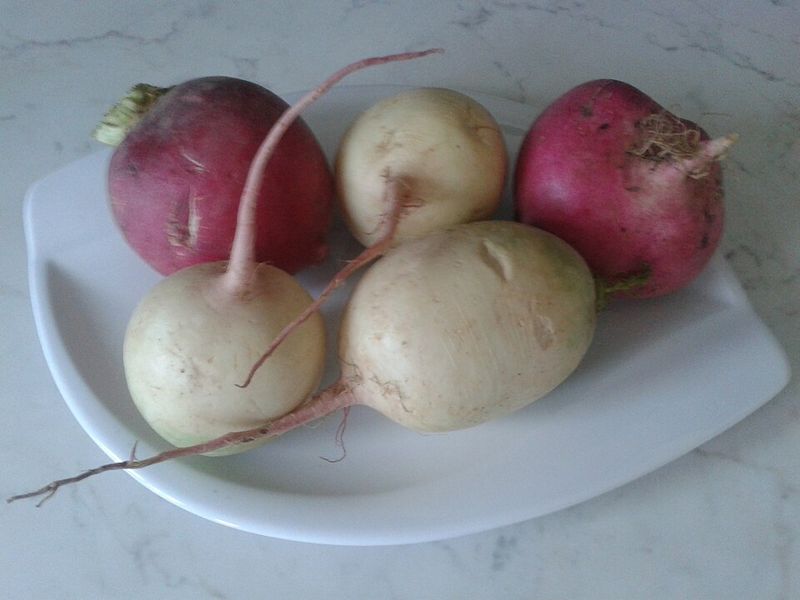
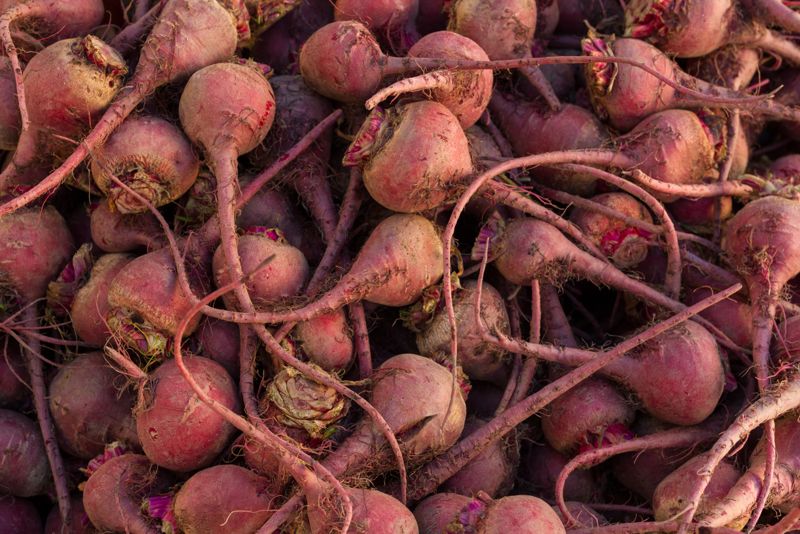
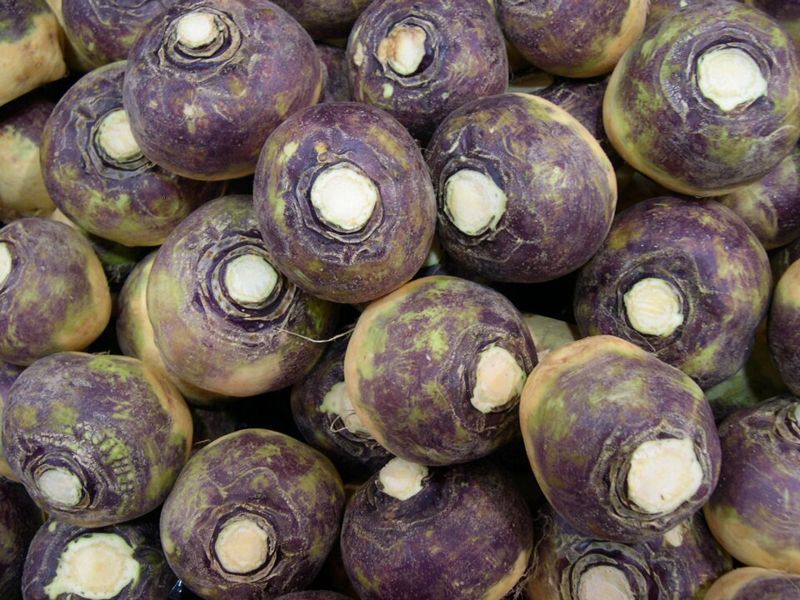
A root vegetable created by a natural cross between turnip and cabbage, rutabaga (also called swede) produces large, sweet, golden-fleshed roots that are a staple of Northern European and Canadian cuisine. Like parsnip, rutabaga sweetens after frost, developing a complex, earthy-sweet flavor. It stores for months in cool conditions, making it an essential winter root cellar crop.
Growing Conditions
How to Grow Rutabaga
Rutabaga (Brassica napus var. napobrassica) is a biennial forb/herb that grows to about 1.5 feet tall and 12 inches wide.
To grow rutabaga, give it full sun. It is hardy across USDA hardiness zones 2–9. Plant it in deep, loose, well-drained, fertile soil, at a slightly acidic pH of 5.5–7. It does best with even, moderate watering.
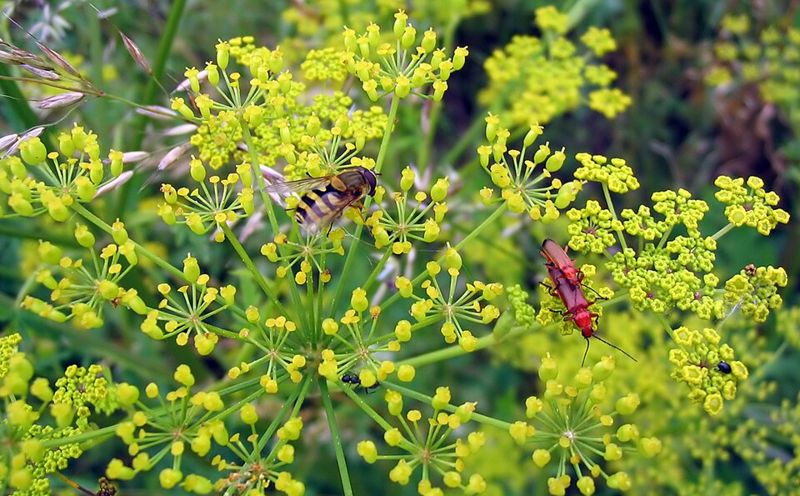
Exact sowing, transplanting, and harvest months shift by climate zone — the planting calendar below lays them out for cool through hot regions. Its flowers appear from February through September, offering moderate value to pollinators. The details above are a starting point — your ground will teach you the rest.
Companion Planting & Soil
Rutabaga grows well alongside pea, onion, and garlic — but keep it clear of potato and strawberry.
Good Companions
Avoid Planting Near
Planting Calendar
When to sow, transplant, and harvest by growing zone.
| Zone | Action | Months | Notes |
|---|---|---|---|
| Cold (1-2) | Direct Sow | May — Jun | Direct sow in late spring; needs 90 days to mature |
| Cold (1-2) | Harvest | Sep — Oct | Harvest after frost; flavor improves with cold |
| Cool (3-4) | Direct Sow | Jun — Jul | Sow midsummer for fall harvest |
| Cool (3-4) | Harvest | Oct — Nov | Harvest after first frost for sweetest flavor |
| Moderate (5-7) | Direct Sow | Jul — Aug | Time sowing so harvest occurs after first frost |
| Moderate (5-7) | Harvest | Oct — Dec | Frost sweetens roots; stores well in ground |
| Warm (8-9) | Direct Sow | Aug — Sep | Late summer sowing for cool-season harvest |
| Warm (8-9) | Harvest | Dec — Feb (wraps) | Harvest during cool months |
| Hot (10+) | Direct Sow | Sep — Oct | Fall sowing; needs cool weather to size up |
| Hot (10+) | Harvest | Dec — Feb (wraps) | Harvest in winter |
Uses
In the Kitchen
In the kitchen, rutabaga turns up in more than one form: mashed solo or blended with potato and butter; roasted until caramelized for deep sweetness; cubed in stews, soups, and pot pies.
Medicinal & Folk Use
In herbal and folk tradition, it has been valued in several ways: rich in vitamin C and manganese; glucosinolates support detoxification and cancer prevention; good source of potassium and fiber. These are traditional uses, not medical advice.
Beyond the Garden
Rutabaga earns its keep past the plate, too: long-storing winter root crop (3-6 months in root cellar); sweetens after frost for improved flavor.
The Field Library
Books from the Futurespore shelf that go deeper on plants like this one.
- Edible Wild Plants a photographic guide organized by season — good for checking an ID twice in the field
- The Resilient Gardener growing staple food through drought, flood, and hard seasons
These are Bookshop.org affiliate links — they support independent bookstores and earn Futurespore a small commission at no extra cost to you. Browse the full Futurespore Bookshelf.