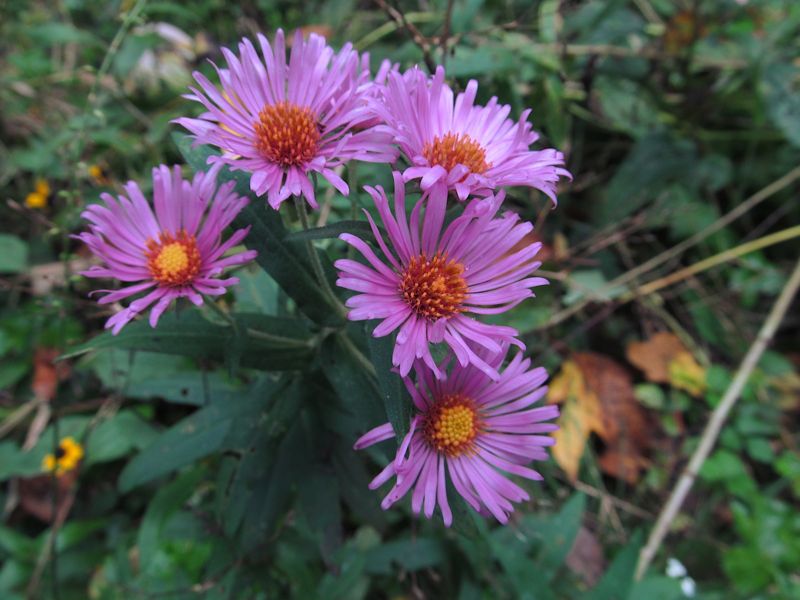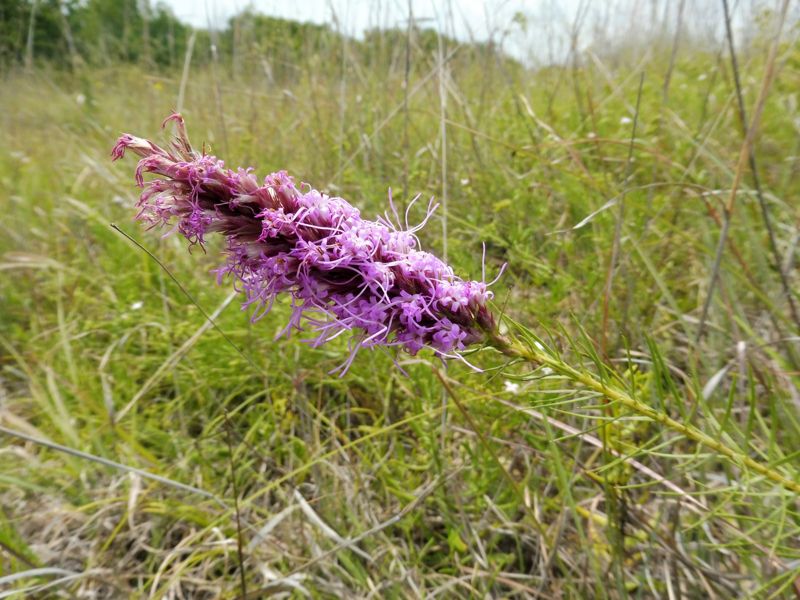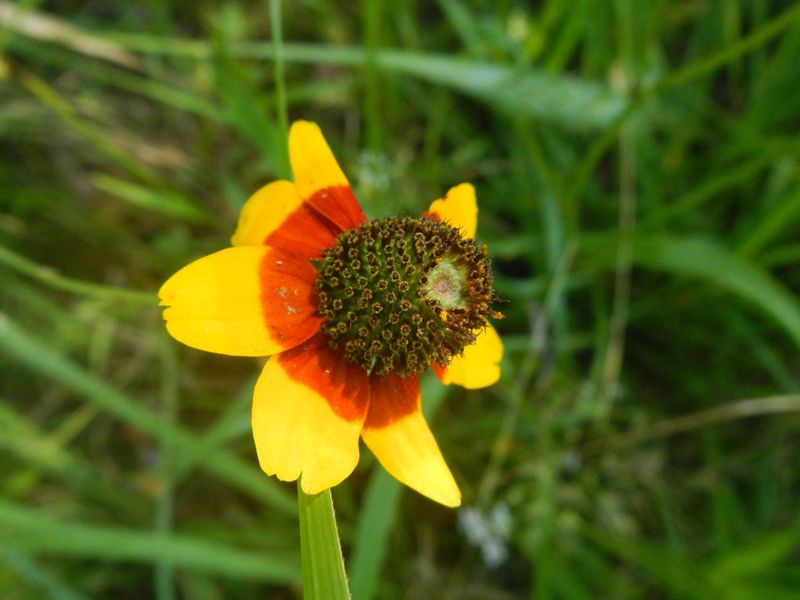
Rudbeckia
Rudbeckia amplexicaulis
Overview
The black-eyed Susans and their relatives are among the most cheerful and reliable native perennials, producing masses of golden-yellow daisy flowers from midsummer through fall. They are virtually indestructible, thriving in heat, drought, poor soil, and neglect. Rudbeckia is a keystone native plant that supports numerous butterfly and bee species while providing seeds for goldfinches.
Growing Conditions
How to Grow Rudbeckia
Rudbeckia (Rudbeckia amplexicaulis) is a perennial forb/herb that grows to about 3 feet tall and 2 feet wide.
To grow rudbeckia, give it full sun. It is hardy across USDA hardiness zones 3–8. Plant it in average, well-drained soil; extremely adaptable, at a slightly acidic pH of 5.5–7.5. It does best with even, moderate watering.
In practice, plant out rudbeckia April to May in moderate zones. Its flowers appear from March through November, offering moderate value to pollinators. Old knowledge lives in this one; grow it, and you keep a little of that alive.
Companion Planting & Soil
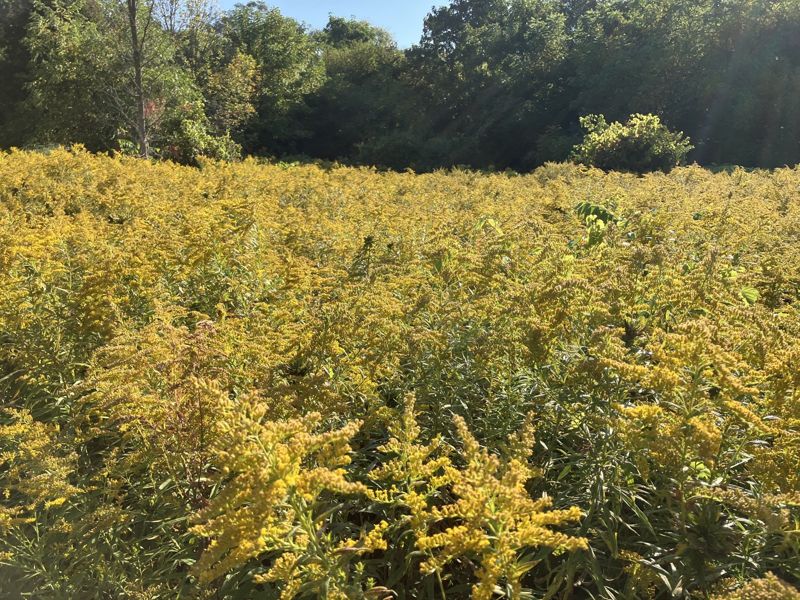
Rudbeckia grows well alongside echinacea, aster, goldenrod, and little bluestem.
Good Companions
Planting Calendar
When to sow, transplant, and harvest by growing zone.
| Zone | Action | Months | Notes |
|---|---|---|---|
| Moderate (5-7) | Transplant | Apr — May | Plant in spring; Black-eyed Susan is low-maintenance |
| Moderate (5-7) | Divide | Mar — Apr | Divide every 3-4 years to maintain vigor |
Uses
Medicinal & Folk Use
In herbal and folk tradition, it has been valued in several ways: root tea used traditionally by Native Americans for cold and flu symptoms; echinacea-like immune-stimulating properties in some species. These are traditional uses, not medical advice.
Beyond the Garden
Rudbeckia earns its keep past the plate, too: long-blooming native pollinator plant; seeds provide winter food for goldfinches; tough, drought-tolerant perennial for low-maintenance gardens.
Safety Notes
Not a food plant. Grown for pollinators and cut flowers.
The Field Library
Books from the Futurespore shelf that go deeper on plants like this one.
- The Modern Herbal Dispensatory a working reference for tinctures, salves, and doses once you get serious
- Braiding Sweetgrass reframes growing and gathering as a relationship of reciprocity
These are Bookshop.org affiliate links — they support independent bookstores and earn Futurespore a small commission at no extra cost to you. Browse the full Futurespore Bookshelf.