 Wikimedia Commons / Public domain · Source
Big bluestem
Andropogon gerardii
Overview
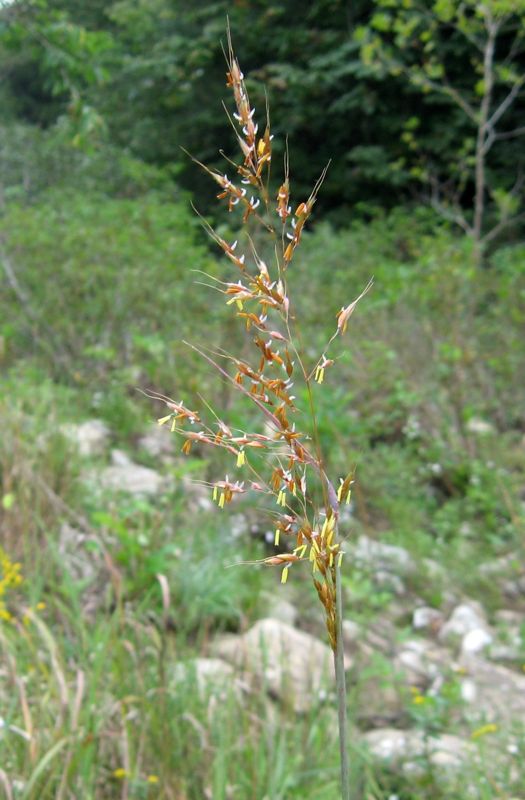
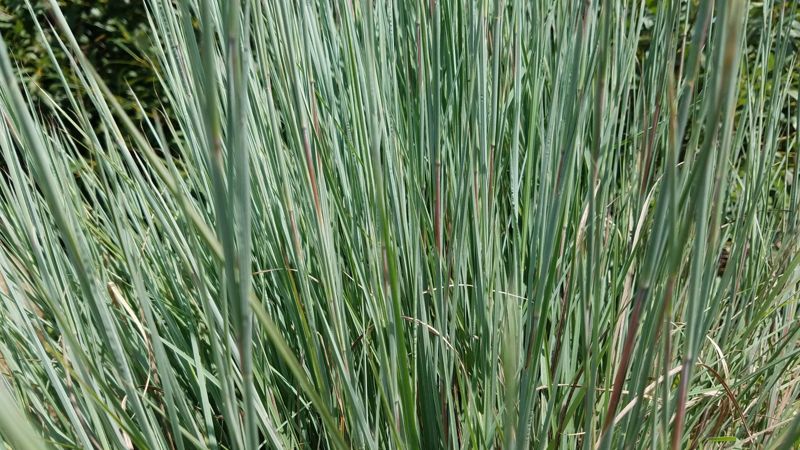
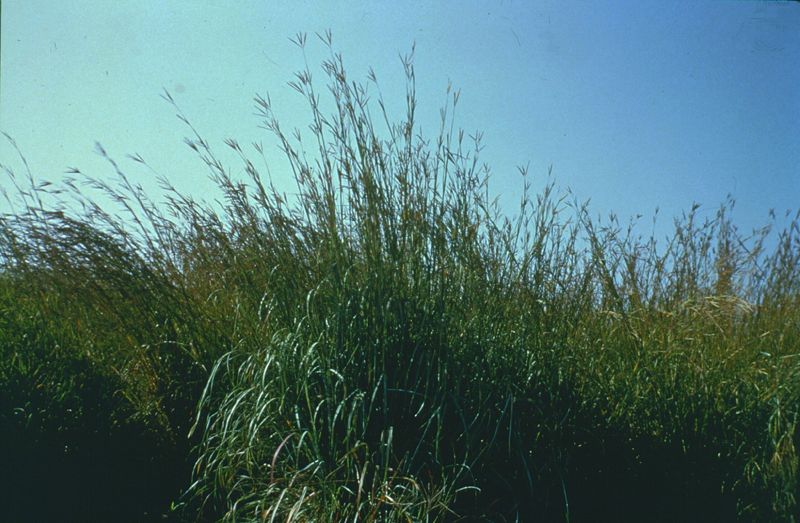
The iconic tallgrass prairie grass that once dominated the Great Plains, growing up to eight feet tall in a single season. Big bluestem's deep root system can extend 10 feet underground, making it an extraordinary soil builder and carbon sequesterer. Its copper and blue-green foliage turns brilliant bronze in fall, and its turkey-foot seed heads are instantly recognizable.
Growing Conditions
How to Grow Big bluestem
Big bluestem (Andropogon gerardii) is a perennial graminoid that grows to about 7 feet tall and 7 feet wide.
To grow big bluestem, give it full sun. It is hardy across USDA hardiness zones 6b–8. Plant it in deep, well-drained soil; extremely adaptable once established, at a slightly acidic pH of 5.5–7.5. It does best with even, moderate watering.
Exact sowing, transplanting, and harvest months shift by climate zone — the planting calendar below lays them out for cool through hot regions. Its yellow flowers appear from June through August, offering moderate value to pollinators. Give it a season to establish, and it carries itself through the dry stretches.
Companion Planting & Soil
Big bluestem grows well alongside indian grass, switchgrass, echinacea, and blazing star.
Good Companions
Planting Calendar
When to sow, transplant, and harvest by growing zone.
| Zone | Action | Months | Notes |
|---|---|---|---|
| Cold (1-2) | Transplant | May — Jun | Plant plugs in spring; dominant tallgrass prairie species; grows 4-8 feet |
| Cold (1-2) | Bloom | Aug — Sep | Turkey foot seed heads in late summer; bronze-purple fall color |
| Cool (3-4) | Transplant | Apr — May | Plant in spring; deep roots reach 6+ feet; excellent soil builder |
| Cool (3-4) | Bloom | Jul — Sep | Late summer bloom; stunning fall color; winter structure |
| Moderate (5-7) | Transplant | Mar — Apr | Plant in spring; full sun; turkey foot seed heads are distinctive |
| Moderate (5-7) | Bloom | Jul — Sep | Turkey foot blooms late summer; supports native wildlife |
| Moderate (5-7) | Prune | Mar — Mar | Cut back to 6 inches in late winter before new growth; or burn in prairies |
| Warm (8-9) | Transplant | Feb — Mar | Plant in late winter/spring; native through most of eastern US |
| Warm (8-9) | Bloom | Jun — Aug | Summer bloom; once dominated Great Plains — now mostly in remnant prairies |
| Hot (10+) | Transplant | Feb — Mar | Plant in spring; very drought tolerant once deep roots establish |
| Hot (10+) | Bloom | Jun — Aug | Summer bloom |
Uses
Medicinal & Folk Use
In herbal and folk tradition, it has been valued in several ways: root tea used traditionally for stomach and kidney complaints; historically used as a febrifuge by Native Americans. These are traditional uses, not medical advice.
Beyond the Garden
Big bluestem earns its keep past the plate, too: prairie restoration and native landscaping; deep root system builds soil and sequesters carbon; wildlife habitat and nesting cover for ground birds.
Safety Notes
Not a food plant — a keystone tallgrass-prairie grass grown for habitat and beauty.
The Field Library
Books from the Futurespore shelf that go deeper on plants like this one.
- The Modern Herbal Dispensatory a working reference for tinctures, salves, and doses once you get serious
- Braiding Sweetgrass reframes growing and gathering as a relationship of reciprocity
These are Bookshop.org affiliate links — they support independent bookstores and earn Futurespore a small commission at no extra cost to you. Browse the full Futurespore Bookshelf.