 Dan Keck / CC0 · Source
Little bluestemWhen to plant, zone by zone · USDA zones 6-10
Schizachyrium scoparium
Overview
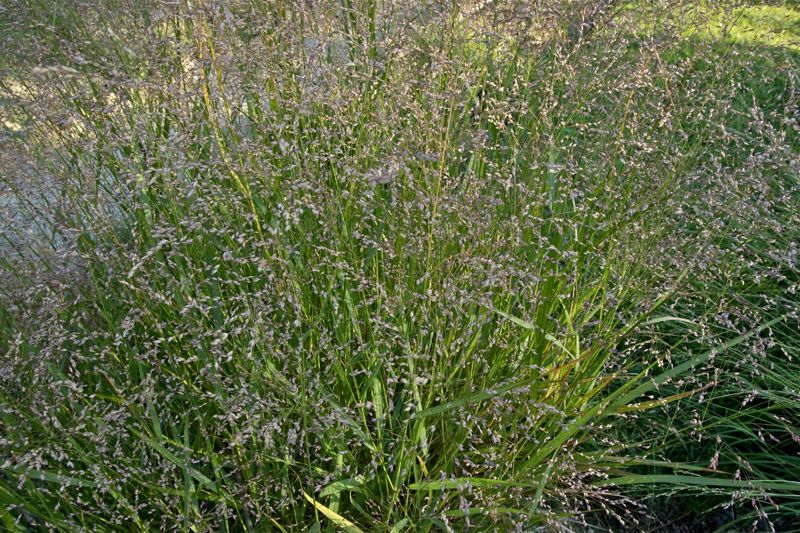
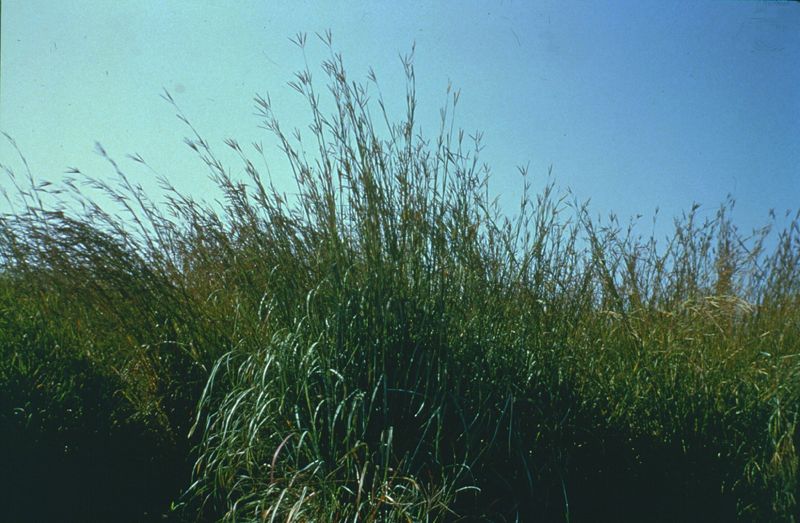
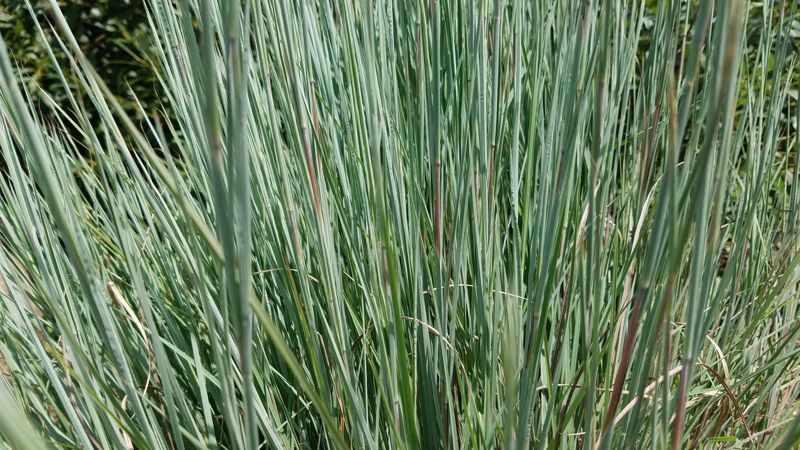
A quintessential prairie grass that turns brilliant copper, orange, and mahogany in fall, providing some of the most spectacular autumn color of any ornamental grass. Little bluestem's blue-green summer foliage and tidy bunching habit make it one of the most versatile native grasses for home landscapes. Its deep root system makes it extremely drought-tolerant once established.
Mentioned in The Mycelial Grimoire
Posts on the Grimoire that reference Little bluestem.
Growing Conditions
How to Grow Little bluestem
Little bluestem (Schizachyrium scoparium) is a graminoid that grows to about 4 feet tall and 3 feet wide.
Little bluestem is hardy across USDA hardiness zones 6–10. Plant it in well-drained, lean to average soil; thrives in poor, dry conditions, at a slightly acidic pH of 5.5–7.5.
Exact sowing, transplanting, and harvest months shift by climate zone — the planting calendar below lays them out for cool through hot regions. Its flowers appear from August through September. The details above are a starting point — your ground will teach you the rest.
Companion Planting & Soil
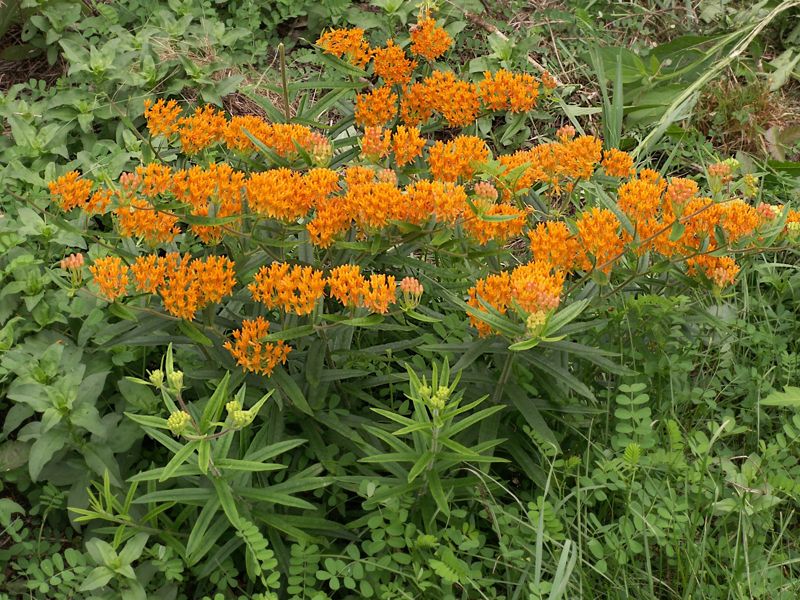
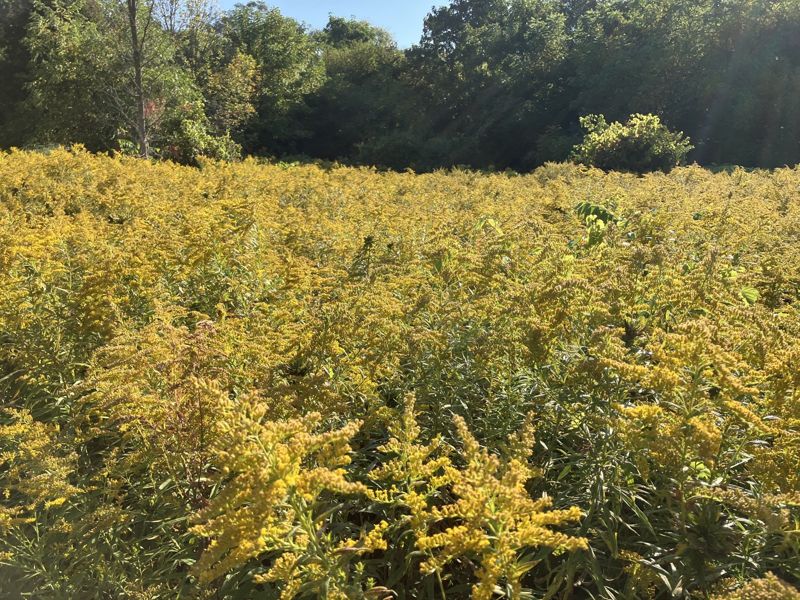
Little bluestem grows well alongside echinacea, butterfly weed, blazing star, and aster.
Good Companions
Planting Calendar
When to sow, transplant, and harvest by growing zone.
| Zone | Action | Months | Notes |
|---|---|---|---|
| Cold (1-2) | Transplant | May — Jun | Plant plugs in spring; native bunch grass; brilliant copper-red fall color |
| Cold (1-2) | Bloom | Aug — Sep | Late summer flowers; stunning coppery-orange fall color; fluffy seed heads |
| Cool (3-4) | Transplant | Apr — May | Plant in spring; drought tolerant; full sun; poor to average soil best |
| Cool (3-4) | Bloom | Jul — Sep | Late summer bloom; leave standing all winter for structure |
| Moderate (5-7) | Transplant | Mar — Apr | Plant in spring; signature prairie grass; do not fertilize — rich soil makes it floppy |
| Moderate (5-7) | Bloom | Jul — Sep | Silver seed heads and copper foliage persist through winter |
| Moderate (5-7) | Prune | Mar — Mar | Cut back to 3-4 inches in late winter; do not cut into crown |
| Warm (8-9) | Transplant | Feb — Mar | Plant in late winter/spring |
| Warm (8-9) | Bloom | Jun — Aug | Summer bloom; superb low-maintenance ornamental grass |
| Hot (10+) | Transplant | Feb — Mar | Plant in spring; thrives in heat and drought once established |
| Hot (10+) | Bloom | Jun — Aug | Summer bloom; extremely drought tolerant |
Little bluestem Questions
When should you plant Little bluestem?
Cold (1-2) — transplant May–June; Cool (3-4) — transplant April–May; Moderate (5-7) — transplant March–April; Warm (8-9) — transplant February–March; Hot (10+) — transplant February–March. Shift these with your own last-frost date; the full table sits in the planting calendar below.
When does Little bluestem bloom?
Cold (1-2) — August–September; Cool (3-4) — July–September; Moderate (5-7) — July–September; Warm (8-9) — June–August; Hot (10+) — June–August.
What growing zone does Little bluestem need?
Little bluestem is hardy in USDA zones 6-10. It prefers a slightly acidic pH of 5.5–7.5.
What grows well with Little bluestem?
Echinacea, Butterfly weed, Blazing star, and Aster.
Uses
Beyond the Garden
Little bluestem earns its keep past the plate, too: spectacular fall and winter color in ornamental plantings; prairie restoration and native meadow gardens; erosion control and soil building with deep roots.
The Field Library
Books from the Futurespore shelf that go deeper on plants like this one.
- Gaia's Garden home-scale permaculture — guilds, food forests, and beds that tend themselves
- The Resilient Gardener growing staple food through drought, flood, and hard seasons
These are Bookshop.org affiliate links — they support independent bookstores and earn Futurespore a small commission at no extra cost to you. Browse the full Futurespore Bookshelf.