Milkweed
Asclepias syriaca
Overview
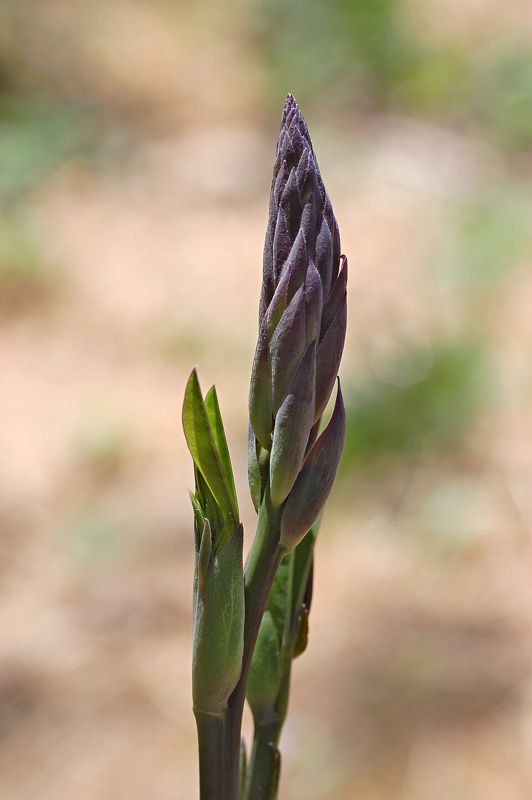
The only larval food plant for monarch butterflies, making milkweed conservation a matter of species survival. Common milkweed also has a rich ethnobotanical history — young shoots, flower buds, and immature pods are all edible after proper cooking to remove the bitter latex. The silky floss from seed pods was used to fill life jackets during WWII and is being explored as a modern sustainable insulation material.
Mentioned in The Mycelial Grimoire
Posts on the Grimoire that reference Milkweed.
Growing Conditions
How to Grow Milkweed
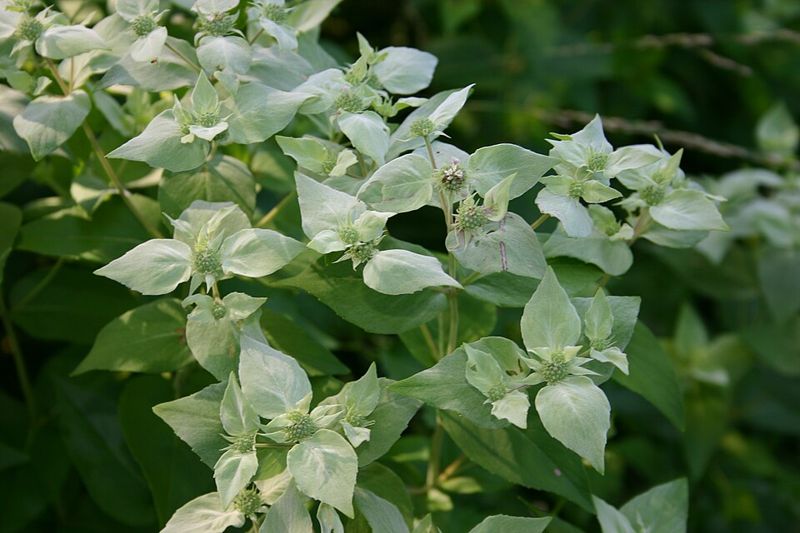
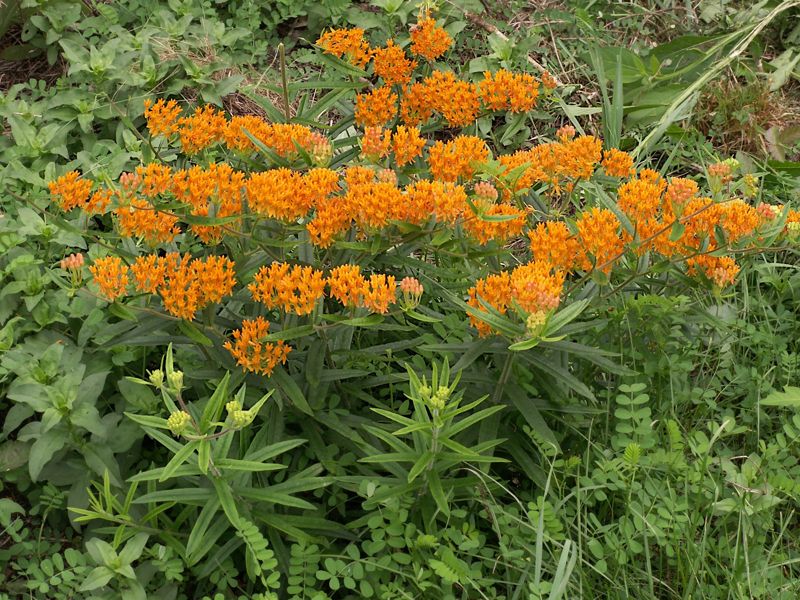
Milkweed (Asclepias syriaca) is a forb/herb that grows to about 2 feet tall and 2 feet wide.
To grow milkweed, give it partial sun to partial shade. It is hardy across USDA hardiness zones 5–9. Plant it in average, well-drained soil; adaptable to most conditions, at a slightly acidic pH of 5–7.5. It does best with even, moderate watering.
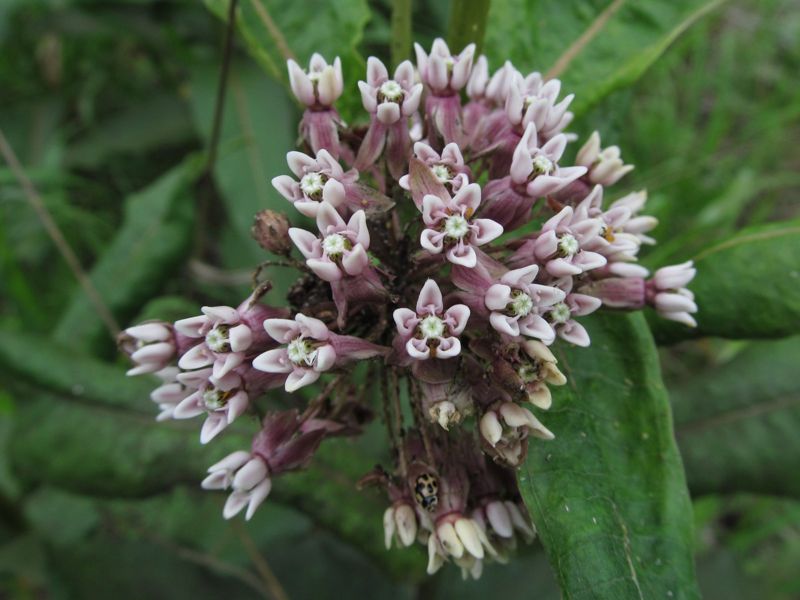
Exact sowing, transplanting, and harvest months shift by climate zone — the planting calendar below lays them out for cool through hot regions. Its flowers appear from May through September, offering high value to pollinators. Food and forage in one stand — plant it where both you and the pollinators can reach.
Companion Planting & Soil
Milkweed grows well alongside echinacea, goldenrod, aster, and blazing star.
Good Companions
Planting Calendar
When to sow, transplant, and harvest by growing zone.
| Zone | Action | Months | Notes |
|---|---|---|---|
| Cold (1-2) | Direct Sow | Oct — Nov | Fall sow outdoors for natural cold stratification; essential monarch host plant |
| Cold (1-2) | Bloom | Jun — Aug | Blooms midsummer; do NOT deadhead — monarch caterpillars need the foliage |
| Cool (3-4) | Direct Sow | Oct — Nov | Fall sow; seeds need 30+ days cold stratification to germinate |
| Cool (3-4) | Bloom | Jun — Aug | Peak bloom midsummer; leave seed pods for self-sowing and winter interest |
| Moderate (5-7) | Direct Sow | Oct — Nov | Fall sow; or cold-stratify seed in fridge 30 days before spring sowing |
| Moderate (5-7) | Transplant | Apr — May | Transplant nursery plants in spring; deep taproot — choose location carefully |
| Moderate (5-7) | Bloom | May — Aug | Blooms late spring through summer; critical pollinator plant |
| Moderate (5-7) | Divide | Mar — Apr | Divide clumps carefully in early spring; disturb taproot as little as possible |
| Warm (8-9) | Transplant | Mar — Apr | Plant tropical milkweed (A. curassavica) or native A. tuberosa |
| Warm (8-9) | Bloom | Apr — Sep | Long bloom season; attracts monarchs, bees, and hummingbirds |
| Hot (10+) | Transplant | Feb — Mar | Plant in spring; tropical milkweed is evergreen — cut back in fall to prevent OE parasite |
| Hot (10+) | Bloom | Mar — Oct | Year-round bloom for tropical species; cut back once annually |
Uses
In the Kitchen
In the kitchen, milkweed turns up in more than one form: young shoots cooked like asparagus (after blanching to remove bitterness); immature flower buds and young pods cooked as vegetables; must be properly prepared — do not eat raw.
Medicinal & Folk Use
In herbal and folk tradition, it has been valued in several ways: latex traditionally used for wart removal (topical); root tincture historically used for respiratory conditions by Native Americans. These are traditional uses, not medical advice.
Beyond the Garden
Milkweed earns its keep past the plate, too: critical monarch butterfly conservation plant; seed floss explored as sustainable fiber and insulation; native meadow restoration species.
Safety Notes
Cook shoots, buds and young pods in boiling water and never eat milkweed raw (cardiac glycosides). Two forager rules: harvest only common milkweed (Asclepias syriaca) from a patch you have identified in flower or pod, and learn dogbane — a toxic look-alike that grows in the same fields and closely resembles young milkweed shoots. Skip bitter species entirely.
The Field Library
Books from the Futurespore shelf that go deeper on plants like this one.
- The Modern Herbal Dispensatory a working reference for tinctures, salves, and doses once you get serious
- Northeast Foraging region-tuned wild food guidance with clear lookalike warnings
- Braiding Sweetgrass reframes growing and gathering as a relationship of reciprocity
These are Bookshop.org affiliate links — they support independent bookstores and earn Futurespore a small commission at no extra cost to you. Browse the full Futurespore Bookshelf.