 Jebulon / CC0 · Source
Switchgrass
Panicum virgatum
Overview
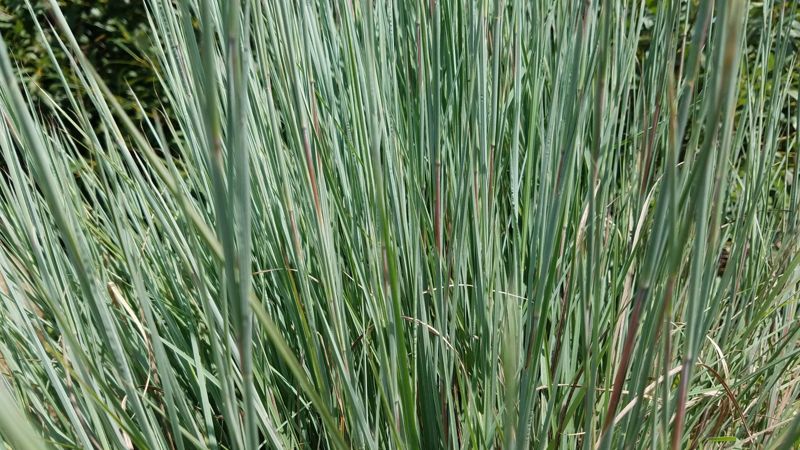
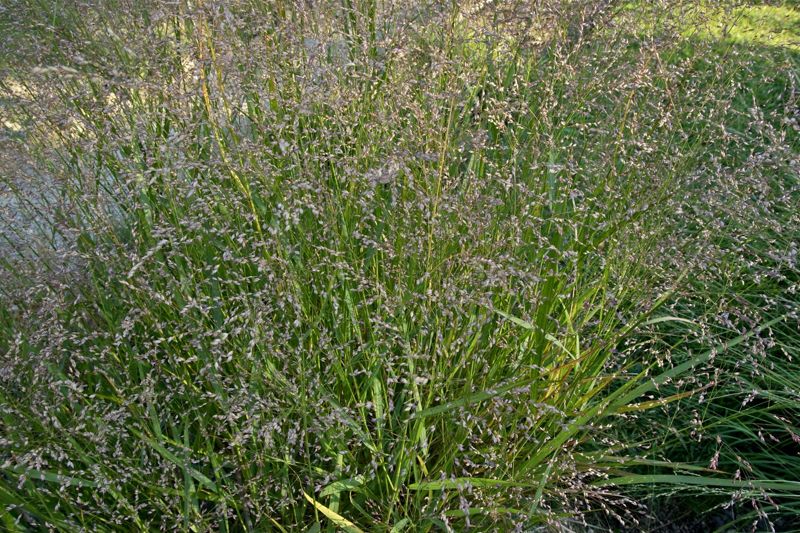
A native tallgrass prairie species that has gained attention as both an ornamental grass and a biofuel crop. Switchgrass's deep root system — extending 10 feet or more — makes it an extraordinary soil builder and carbon sink. Its airy seed heads and warm golden-russet fall color provide multi-season interest, and numerous cultivars have been selected for garden use.
Growing Conditions
How to Grow Switchgrass
Switchgrass (Panicum virgatum) is a perennial graminoid that grows to about 6 feet tall and 12 inches wide.
To grow switchgrass, give it full sun. It is hardy across USDA hardiness zones 3a–9. Plant it in adaptable; thrives in average to poor, well-drained soil, at a slightly acidic pH of 5–8. It does best with even, moderate watering.
Exact sowing, transplanting, and harvest months shift by climate zone — the planting calendar below lays them out for cool through hot regions. Its yellow flowers appear from July through August, offering moderate value to pollinators. Give it a season to establish, and it carries itself through the dry stretches.
Companion Planting & Soil
Switchgrass grows well alongside big bluestem, indian grass, echinacea, and aster.
Good Companions
Planting Calendar
When to sow, transplant, and harvest by growing zone.
| Zone | Action | Months | Notes |
|---|---|---|---|
| Cold (1-2) | Transplant | May — Jun | Plant plugs in spring; native warm-season grass; excellent habitat plant |
| Cold (1-2) | Bloom | Jul — Sep | Airy flower panicles late summer; provides winter structure and bird food |
| Cool (3-4) | Transplant | Apr — May | Plant in spring; grows 3-6 feet; airy seed heads persist through winter |
| Cool (3-4) | Bloom | Jul — Sep | Late summer bloom; gold fall color; leave standing through winter |
| Moderate (5-7) | Transplant | Mar — Apr | Plant in spring; low maintenance once established; drought tolerant |
| Moderate (5-7) | Bloom | Jun — Sep | Summer flower panicles; seeds feed birds in winter |
| Moderate (5-7) | Prune | Mar — Mar | Cut back to 4-6 inches in late winter before new growth emerges |
| Warm (8-9) | Transplant | Feb — Mar | Plant in late winter/spring |
| Warm (8-9) | Bloom | Jun — Aug | Summer bloom; excellent erosion control |
| Hot (10+) | Transplant | Feb — Mar | Plant in spring; native across most of North America |
| Hot (10+) | Bloom | May — Aug | Summer bloom; very heat and drought tolerant |
Uses
Beyond the Garden
Switchgrass earns its keep past the plate, too: biofuel and bioenergy feedstock crop; prairie restoration and native meadow plantings; ornamental grass with outstanding fall color and winter structure.
Safety Notes
Not a food plant. Can be toxic to grazing horses and sheep (saponins causing photosensitization).
The Field Library
Books from the Futurespore shelf that go deeper on plants like this one.
- Gaia's Garden home-scale permaculture — guilds, food forests, and beds that tend themselves
- The Resilient Gardener growing staple food through drought, flood, and hard seasons
These are Bookshop.org affiliate links — they support independent bookstores and earn Futurespore a small commission at no extra cost to you. Browse the full Futurespore Bookshelf.