 Mason Brock (Masebrock) / Public domain · Source
Blazing star
Liatris aestivalis
Overview
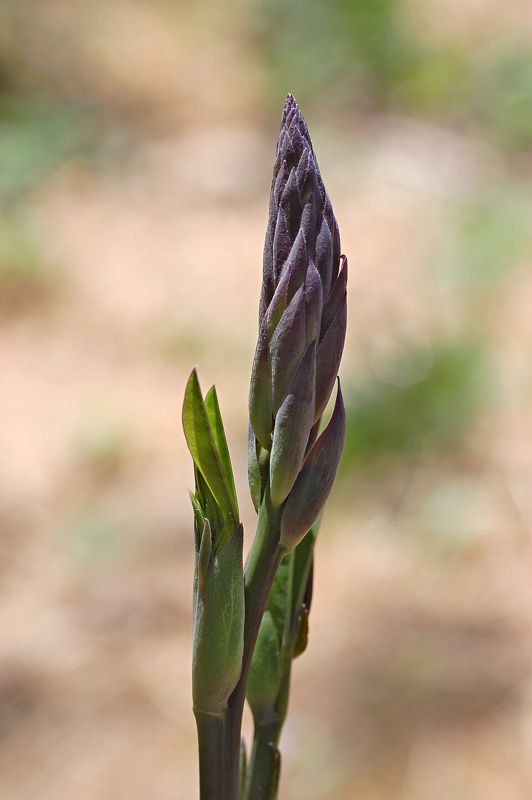
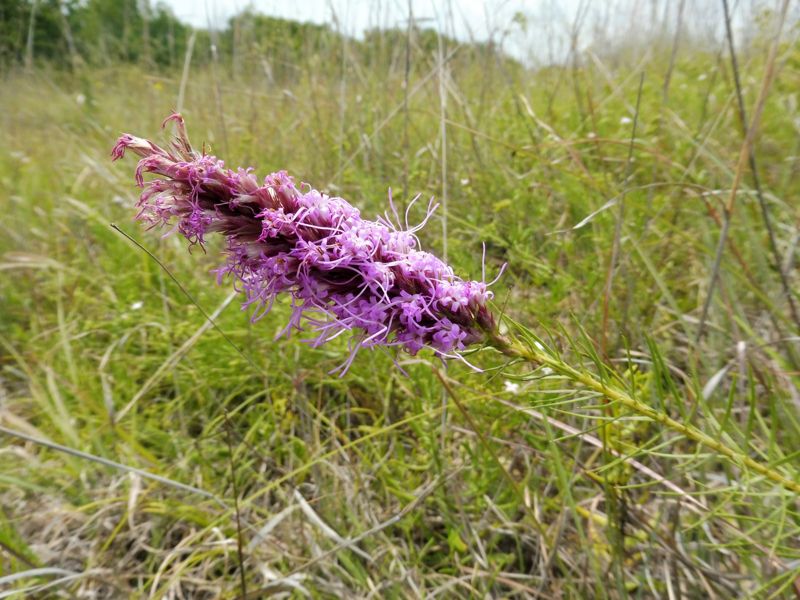
A native prairie perennial whose dramatic purple flower spikes bloom from the top down, providing weeks of color in late summer. Blazing star (Liatris) is a monarch butterfly magnet and one of the most valuable native pollinator plants. Its deep taproot makes it extremely drought-tolerant once established and perfectly suited to rain gardens and prairie restorations.
Growing Conditions
How to Grow Blazing star
Blazing star (Liatris aestivalis) is a forb/herb that grows to about 4 feet tall and 3 feet wide.
Blazing star is hardy across USDA hardiness zones 4–7. Plant it in well-drained, sandy or loamy soil; dislikes wet feet, at a slightly acidic pH of 5.5–7.5.
Exact sowing, transplanting, and harvest months shift by climate zone — the planting calendar below lays them out for cool through hot regions. Its flowers appear from August through October, offering high value to pollinators. The details above are a starting point — your ground will teach you the rest.
Companion Planting & Soil
Blazing star grows well alongside echinacea, rudbeckia, big bluestem, and goldenrod.
Good Companions
Planting Calendar
When to sow, transplant, and harvest by growing zone.
| Zone | Action | Months | Notes |
|---|---|---|---|
| Cold (1-2) | Transplant | May — Jun | Plant corms or plugs in spring; native prairie plant; very cold hardy |
| Cold (1-2) | Bloom | Jul — Sep | Spiky purple blooms attract monarch butterflies and native bees |
| Cool (3-4) | Transplant | Apr — May | Plant corms 2-4" deep; full sun; well-drained soil essential |
| Cool (3-4) | Bloom | Jul — Sep | Mid to late summer bloom; opens from top of spike downward |
| Moderate (5-7) | Transplant | Mar — Apr | Plant in spring; unique top-down blooming spike; excellent cut flower |
| Moderate (5-7) | Bloom | Jun — Sep | Long bloom period; leave seed heads for goldfinches |
| Moderate (5-7) | Divide | Mar — Apr | Divide corms every 3-4 years; each division needs growing eyes |
| Warm (8-9) | Transplant | Feb — Mar | Plant in late winter; needs good drainage — rots in wet soil |
| Warm (8-9) | Bloom | May — Aug | Summer bloom; drought tolerant once established |
| Hot (10+) | Transplant | Nov — Dec | Plant in fall; native to prairies and open woodlands |
| Hot (10+) | Bloom | May — Jul | Early to midsummer bloom |
Uses
Beyond the Garden
Blazing star earns its keep past the plate, too: premier pollinator and butterfly garden plant; excellent long-lasting cut flower; prairie and meadow restoration species.
The Field Library
Books from the Futurespore shelf that go deeper on plants like this one.
- The Resilient Gardener growing staple food through drought, flood, and hard seasons
- Braiding Sweetgrass reframes growing and gathering as a relationship of reciprocity
These are Bookshop.org affiliate links — they support independent bookstores and earn Futurespore a small commission at no extra cost to you. Browse the full Futurespore Bookshelf.