Blackberry
Rubus fruticosus agg.
Overview
A vigorous bramble fruit found wild across much of the Northern Hemisphere, blackberries are among the most rewarding fruits for foragers and gardeners alike. Modern thornless cultivars have made growing them much more pleasant, though wild thorny blackberries remain a beloved summer tradition. Their deep purple-black berries are packed with anthocyanins and ripen over several weeks for extended harvests.
Growing Conditions
How to Grow Blackberry
Blackberry (Rubus fruticosus agg.) is a shrub that grows to about 6 feet tall and 7 feet wide.
To grow blackberry, give it partial sun to partial shade. It is hardy across USDA hardiness zones 5–8. Plant it in rich, well-drained, slightly acidic loam, at a slightly acidic pH of 5.5–7. It does best with even, moderate watering.
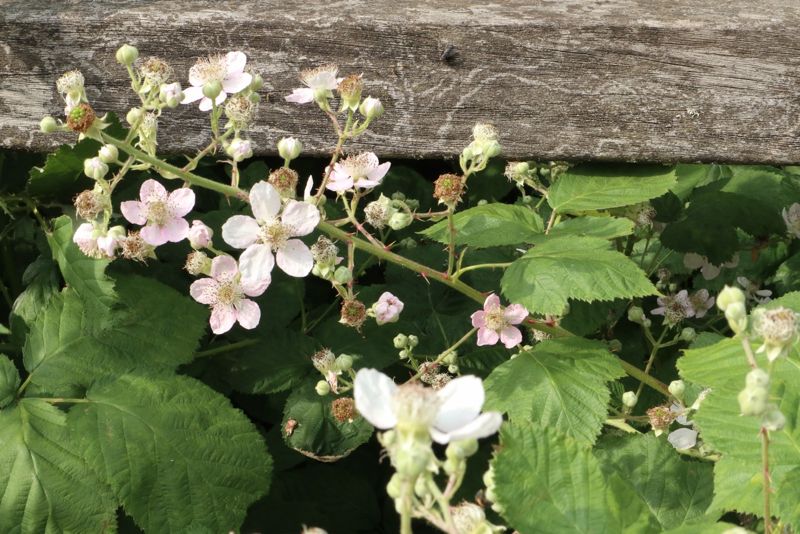
In practice, plant out blackberry March to April in moderate zones and January to February in warm zones. Harvest comes June to August in moderate zones. Its flowers appear from June through July, offering high value to pollinators. A generous plant — a harvest for you, and forage for the pollinators.
Companion Planting & Soil
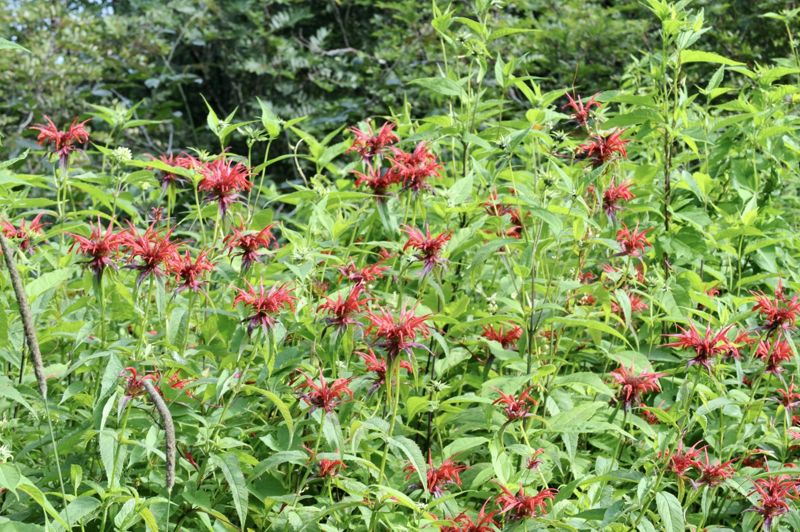
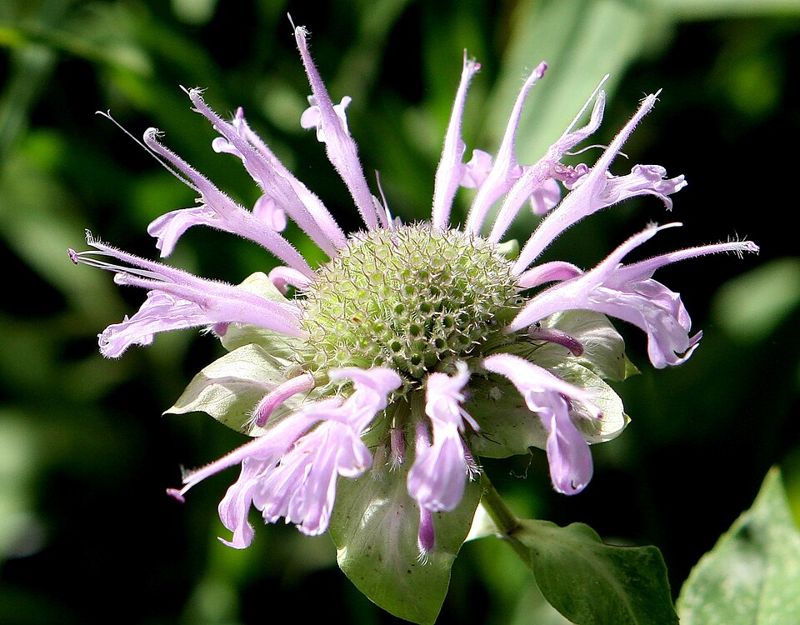
Blackberry grows well alongside tansy, hyssop, borage, and bee balm — but keep it clear of raspberry, tomato, pepper, and eggplant.
Good Companions
Avoid Planting Near
Planting Calendar
When to sow, transplant, and harvest by growing zone.
| Zone | Action | Months | Notes |
|---|---|---|---|
| Moderate (5-7) | Transplant | Mar — Apr | Plant bare-root in spring; thornless varieties available |
| Moderate (5-7) | Harvest | Jun — Aug | Berries turn fully black and pull free easily when ripe |
| Moderate (5-7) | Prune | Feb — Mar | Tip-prune new canes in summer; remove fruited canes after harvest |
| Warm (8-9) | Transplant | Jan — Feb | Plant during dormancy |
Uses
In the Kitchen
In the kitchen, blackberry turns up in more than one form: fresh eating, pies, cobblers, and jams; frozen for smoothies and sorbets; fermented into blackberry wine and shrub.
Medicinal & Folk Use
In herbal and folk tradition, it has been valued in several ways: high in anthocyanins supporting brain and cardiovascular health; leaf tea traditionally used for sore throats and diarrhea; rich in vitamin C and manganese. These are traditional uses, not medical advice.
Beyond the Garden
Blackberry earns its keep past the plate, too: wildlife habitat and food source for birds; thorny varieties make effective living fences.
The Field Library
Books from the Futurespore shelf that go deeper on plants like this one.
- The Forager's Harvest identification, harvest windows, and preparation from someone who eats what he teaches
- Gaia's Garden home-scale permaculture — guilds, food forests, and beds that tend themselves
These are Bookshop.org affiliate links — they support independent bookstores and earn Futurespore a small commission at no extra cost to you. Browse the full Futurespore Bookshelf.