Bloodroot
Sanguinaria canadensis
Overview
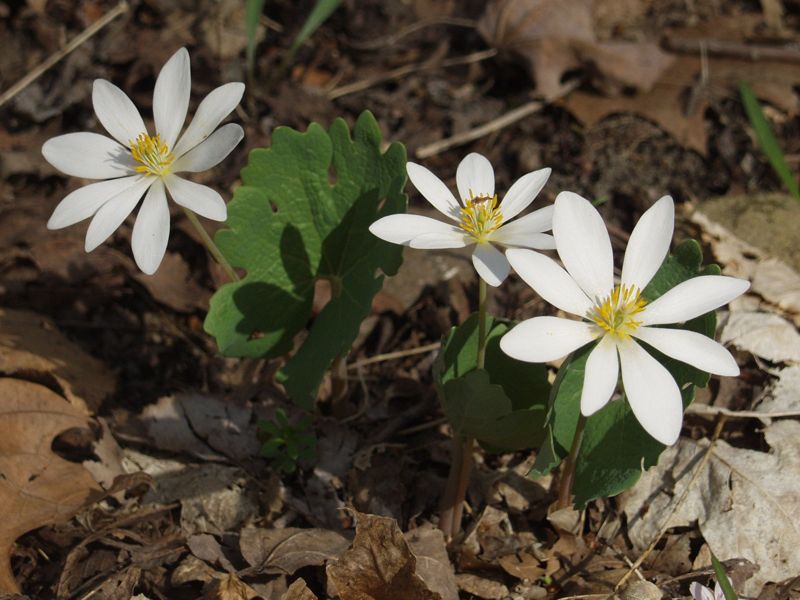
One of the first spring wildflowers to emerge in eastern North American woodlands, bloodroot opens its pristine white petals for just a day or two before scattering. Named for the bright red-orange sap in its rhizomes, this plant was used extensively by Native Americans as a dye and ceremonial pigment. It is toxic if ingested but has a fascinating history in herbal medicine under professional guidance.
Growing Conditions
How to Grow Bloodroot
Bloodroot (Sanguinaria canadensis) is a perennial tree that grows to about 8 inches tall and 12 inches wide.
To grow bloodroot, give it full sun. It is hardy across USDA hardiness zones 3–6. Plant it in rich, moist, humusy woodland soil with leaf litter, at a slightly acidic pH of 5–6.5. It does best with even, moderate watering.
Exact sowing, transplanting, and harvest months shift by climate zone — the planting calendar below lays them out for cool through hot regions. Its white flowers appear from May through July, offering moderate value to pollinators. Once its roots take hold, it asks little of you.
Companion Planting & Soil
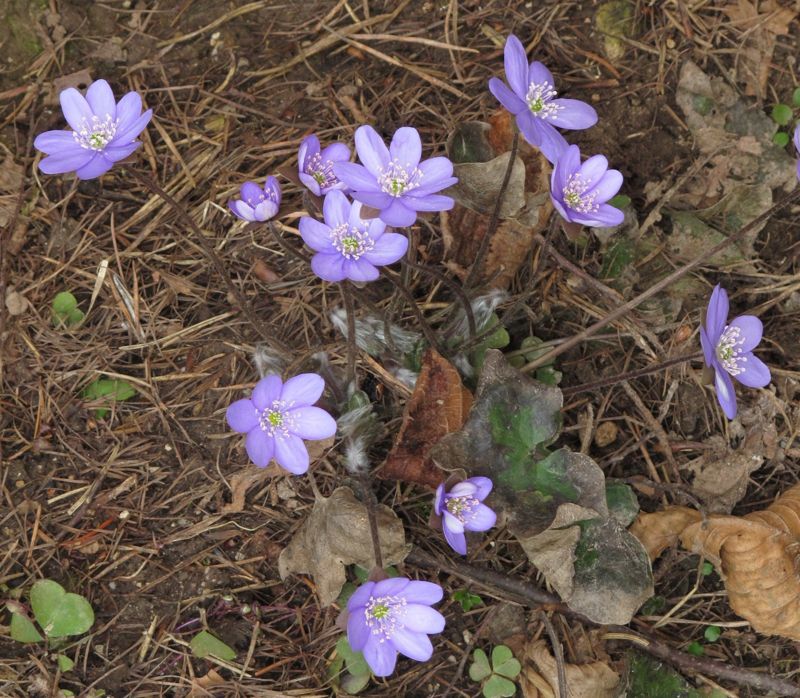
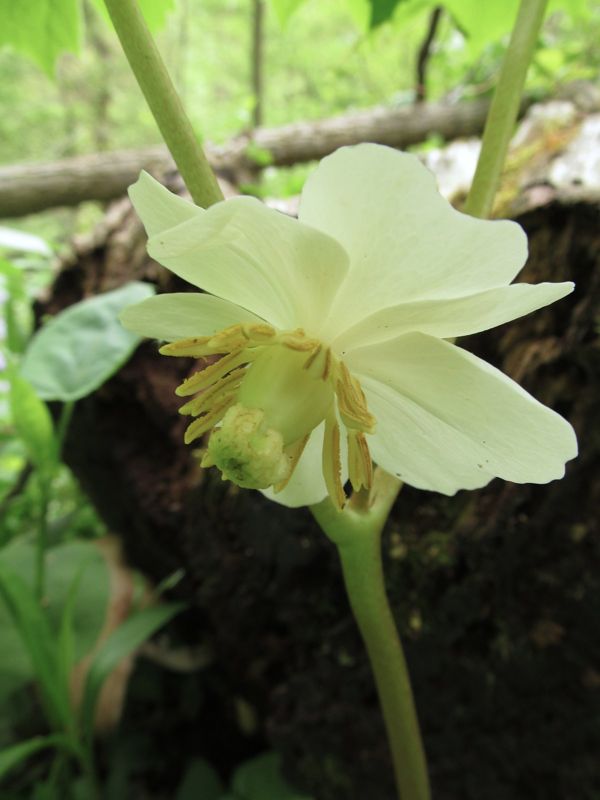
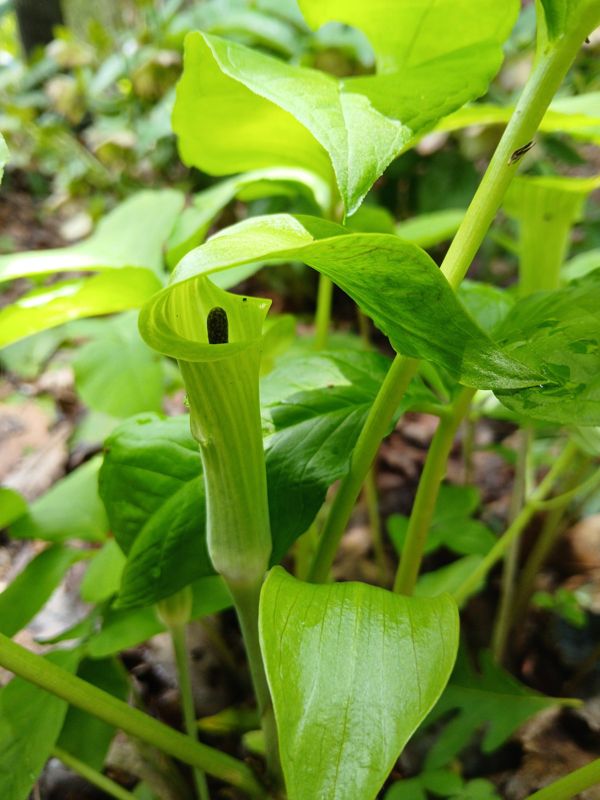
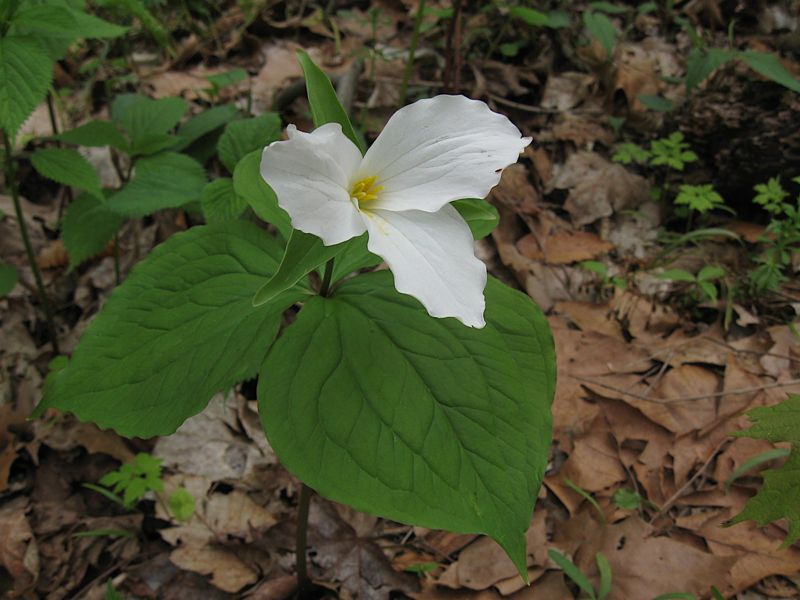
Bloodroot grows well alongside trillium, virginia bluebells, hepatica, and jack-in-the-pulpit.
Good Companions
Planting Calendar
When to sow, transplant, and harvest by growing zone.
| Zone | Action | Months | Notes |
|---|---|---|---|
| Cold (1-2) | Transplant | Sep — Oct | Plant rhizomes 1" deep in fall; toxic orange sap — handle with gloves |
| Cold (1-2) | Bloom | Apr — May | Brilliant white flowers last only 1-2 days; each leaf wraps a single flower bud |
| Cool (3-4) | Transplant | Sep — Oct | Fall planting; rich, moist woodland soil; spreads slowly by rhizome |
| Cool (3-4) | Bloom | Mar — May | Very early spring bloom; native bee magnet; ant-dispersed seeds |
| Moderate (5-7) | Transplant | Oct — Nov | Fall plant in shade; ephemeral — foliage gone by midsummer |
| Moderate (5-7) | Bloom | Mar — Apr | Fleeting spring bloom; pairs beautifully with hepatica |
Uses
Medicinal & Folk Use
In herbal and folk tradition: traditional Native American remedy for respiratory conditions. These are traditional uses, not medical advice.
Beyond the Garden
Bloodroot earns its keep past the plate, too: beautiful native woodland garden specimen; natural red-orange dye from rhizome sap; important early-spring pollinator resource.
Safety Notes
Seriously poisonous. Do not use bloodroot pastes or "black salves" sold online for moles and skin growths — they burn healthy tissue indiscriminately, cause disfiguring wounds, and the FDA warns against them. The sap irritates skin and mucous membranes. Never internal, never in pregnancy.
The Field Library
Books from the Futurespore shelf that go deeper on plants like this one.
- The Modern Herbal Dispensatory a working reference for tinctures, salves, and doses once you get serious
- Braiding Sweetgrass reframes growing and gathering as a relationship of reciprocity
These are Bookshop.org affiliate links — they support independent bookstores and earn Futurespore a small commission at no extra cost to you. Browse the full Futurespore Bookshelf.