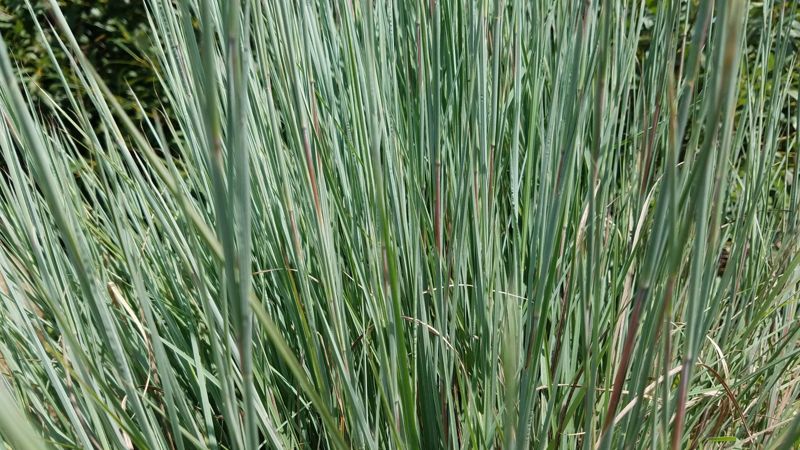
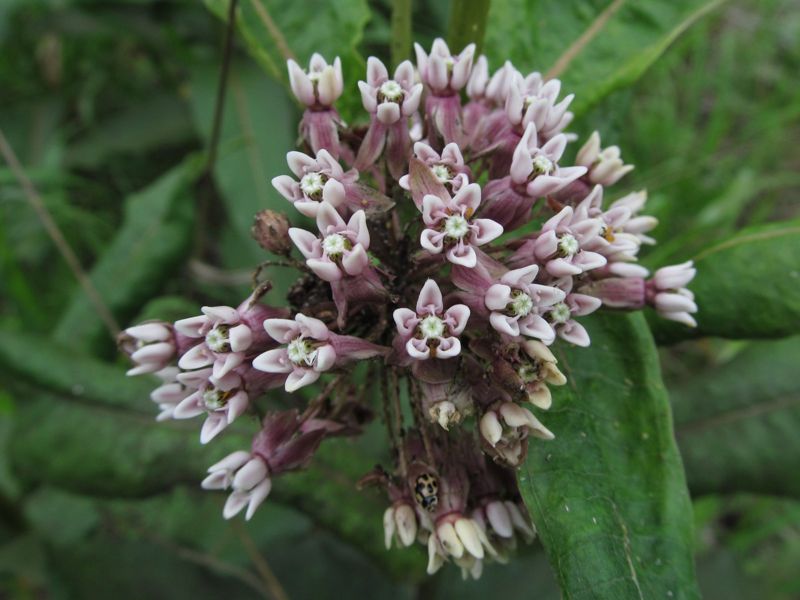
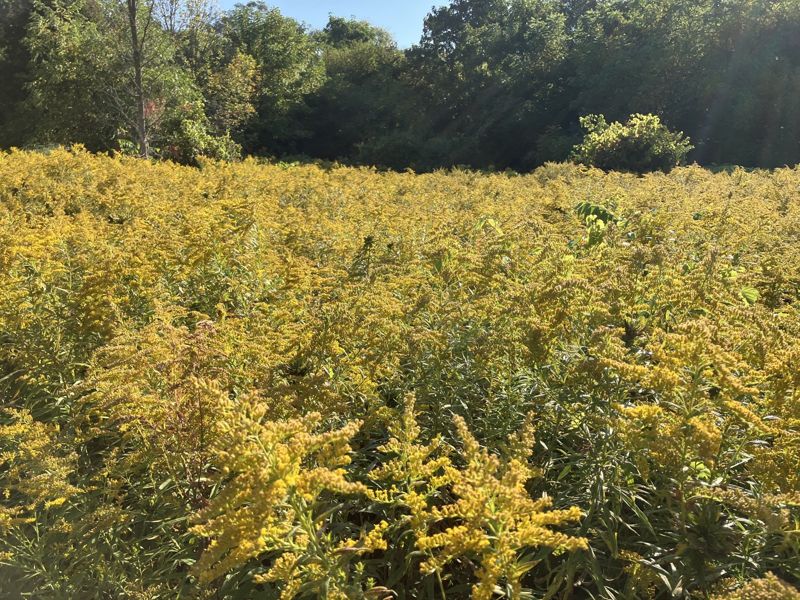
 Gogerr / CC BY 4.0 · Source
Goldenrod
Solidago spp.
Overview
Often unfairly blamed for hay fever (ragweed is the true culprit), goldenrod is actually a critical late-season pollinator plant and a native ecological powerhouse. Its brilliant yellow plumes light up fall landscapes and feed migrating butterflies and overwintering bees. Goldenrod has a rich history in herbal medicine and was once so valued that it was exported from America to Europe as a medicinal tea.
Mentioned in The Mycelial Grimoire
Posts on the Grimoire that reference Goldenrod.
Growing Conditions
How to Grow Goldenrod
Goldenrod (Solidago spp.) is a forb/herb that grows to about 4 feet tall and 2.5 feet wide.
Goldenrod is hardy across USDA hardiness zones 4–8. Plant it in average, well-drained soil; extremely adaptable, at a slightly acidic pH of 5.5–7.5.
Exact sowing, transplanting, and harvest months shift by climate zone — the planting calendar below lays them out for cool through hot regions. Its flowers appear from June through September, offering high value to pollinators. It feeds two tables at once: yours and the pollinators’.
Companion Planting & Soil
Goldenrod grows well alongside aster, echinacea, big bluestem, and little bluestem.
Good Companions
Planting Calendar
When to sow, transplant, and harvest by growing zone.
| Zone | Action | Months | Notes |
|---|---|---|---|
| Cold (1-2) | Transplant | May — Jun | Plant in spring; does NOT cause allergies (wind-pollinated ragweed is the culprit) |
| Cold (1-2) | Bloom | Aug — Sep | Late summer bloom; essential food for migrating monarchs |
| Cool (3-4) | Transplant | Apr — May | Plant in spring; critical late-season pollen source for native bees |
| Cool (3-4) | Bloom | Jul — Oct | Long bloom into fall; pair with asters for late-season color |
| Moderate (5-7) | Transplant | Mar — Apr | Plant in spring; tolerates poor soil; some species spread aggressively |
| Moderate (5-7) | Bloom | Jul — Oct | Critical fall pollinator plant; over 100 native species |
| Moderate (5-7) | Divide | Mar — Apr | Divide every 3-4 years in spring to control spread |
| Warm (8-9) | Transplant | Feb — Mar | Plant in late winter/spring |
| Warm (8-9) | Bloom | Aug — Nov | Fall bloom; excellent cut flower |
| Hot (10+) | Transplant | Nov — Dec | Plant in fall; needs some winter chill to bloom well |
| Hot (10+) | Bloom | Sep — Nov | Late fall bloom |
Uses
In the Kitchen
In the kitchen, goldenrod turns up in more than one form: flowers dried for herbal tea with anise-like flavor; young leaves cooked as potherbs.
Medicinal & Folk Use
In herbal and folk tradition, it has been valued in several ways: traditional kidney and urinary tract tonic; anti-inflammatory properties for allergies and sinus conditions; wound-healing poultice from crushed leaves. These are traditional uses, not medical advice.
Beyond the Garden
Goldenrod earns its keep past the plate, too: critical late-season pollinator food source; natural dye producing yellow and gold tones; prairie and meadow restoration species.
Safety Notes
Daisy-family: can cross-react in people with ragweed allergy. (Goldenrod is usually innocent of the hay fever it gets blamed for — that is wind-pollinated ragweed blooming at the same time.)
The Field Library
Books from the Futurespore shelf that go deeper on plants like this one.
- Edible Wild Plants a photographic guide organized by season — good for checking an ID twice in the field
- The Resilient Gardener growing staple food through drought, flood, and hard seasons
These are Bookshop.org affiliate links — they support independent bookstores and earn Futurespore a small commission at no extra cost to you. Browse the full Futurespore Bookshelf.