 Oceancetaceen - Alice Chodura / Public domain · Source
Ironweed
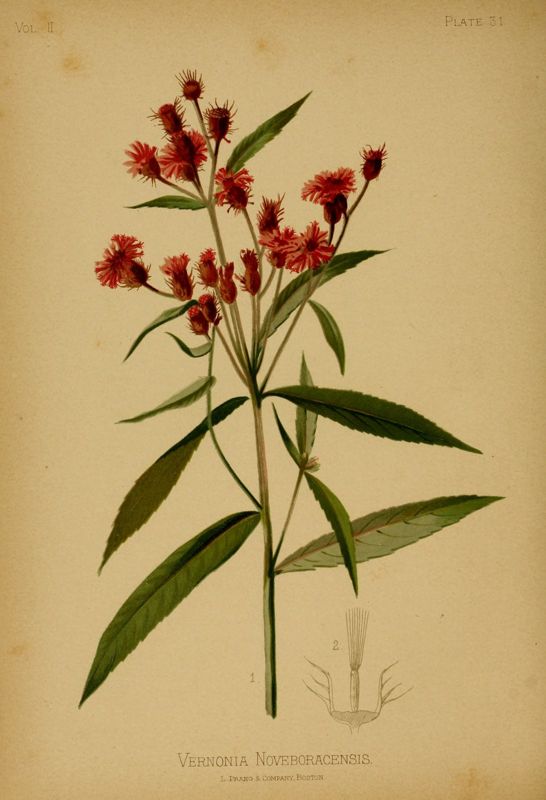
Vernonia noveboracensis
Overview
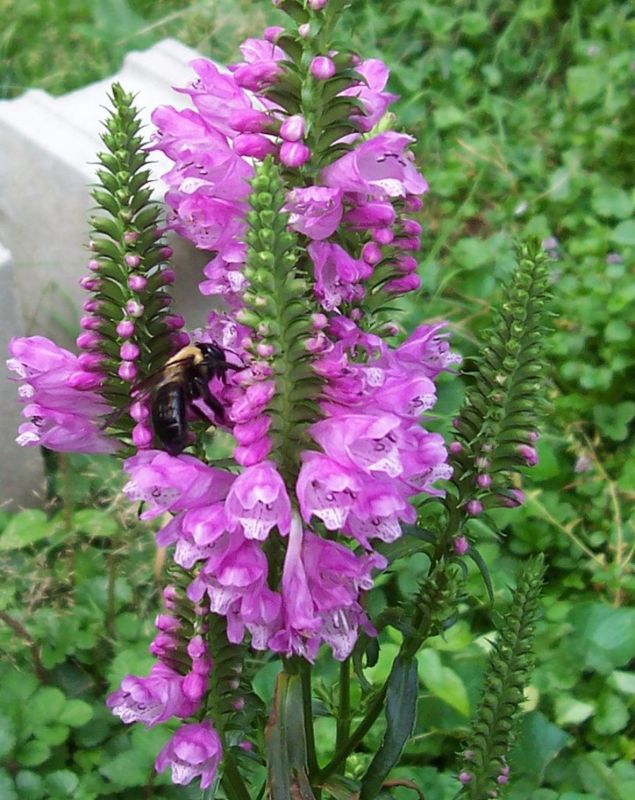
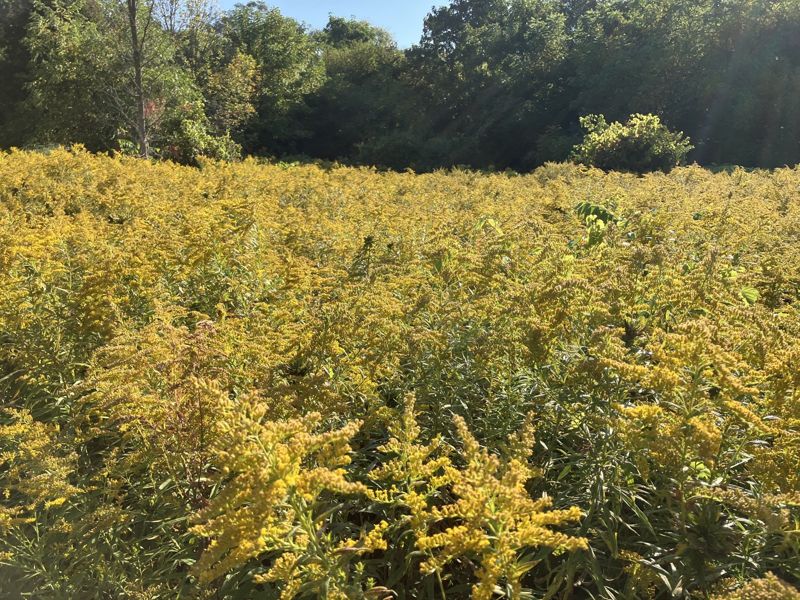
A tall native perennial named for its impossibly sturdy stems, ironweed produces brilliant violet-purple flower clusters in late summer that are magnets for butterflies and bees. Growing 4-7 feet tall, it makes a dramatic statement at the back of borders and in naturalized meadow plantings. Despite its tough reputation, ironweed has a graceful presence and combines beautifully with goldenrod and native grasses.
Growing Conditions
How to Grow Ironweed
Ironweed (Vernonia noveboracensis) is a forb/herb that grows to about 7 feet tall and 2.5 feet wide.
Ironweed is hardy across USDA hardiness zones 5–9. Plant it in moist, fertile soil; tolerates clay and periodic wet conditions, at a slightly acidic pH of 5.5–7.
Exact sowing, transplanting, and harvest months shift by climate zone — the planting calendar below lays them out for cool through hot regions. Its flowers appear from June through September, offering high value to pollinators. Give it what it asks for here, and it will find its place in the garden.
Companion Planting & Soil
Ironweed grows well alongside joe-pye weed, goldenrod, big bluestem, and aster.
Good Companions
Planting Calendar
When to sow, transplant, and harvest by growing zone.
| Zone | Action | Months | Notes |
|---|---|---|---|
| Cold (1-2) | Transplant | May — Jun | Plant in spring; native perennial; grows 3-8 feet tall depending on species |
| Cold (1-2) | Bloom | Aug — Sep | Vivid purple flowers in late summer; important late-season pollinator plant |
| Cool (3-4) | Transplant | Apr — May | Plant in spring; tolerates wet soil; vivid purple flowers |
| Cool (3-4) | Bloom | Jul — Sep | Mid to late summer bloom; combines well with goldenrod |
| Moderate (5-7) | Transplant | Mar — Apr | Plant in spring; back of border or meadow planting; very tough |
| Moderate (5-7) | Bloom | Jul — Sep | Late summer bloom; pinch in June for shorter, bushier plants |
| Moderate (5-7) | Divide | Mar — Apr | Divide every 4-5 years in early spring if clumps get too large |
| Warm (8-9) | Transplant | Feb — Mar | Plant in late winter/spring |
| Warm (8-9) | Bloom | Jun — Sep | Extended bloom; attracts swallowtails and painted ladies |
| Hot (10+) | Transplant | Nov — Dec | Plant in fall; heat tolerant |
| Hot (10+) | Bloom | Jun — Aug | Summer bloom; tolerates heat and drought |
Uses
Beyond the Garden
Ironweed earns its keep past the plate, too: striking late-season pollinator magnet; back-of-border native perennial with strong vertical form; streamside and rain garden plantings.
The Field Library
Books from the Futurespore shelf that go deeper on plants like this one.
- Braiding Sweetgrass reframes growing and gathering as a relationship of reciprocity
- Gaia's Garden home-scale permaculture — guilds, food forests, and beds that tend themselves
These are Bookshop.org affiliate links — they support independent bookstores and earn Futurespore a small commission at no extra cost to you. Browse the full Futurespore Bookshelf.