Overview
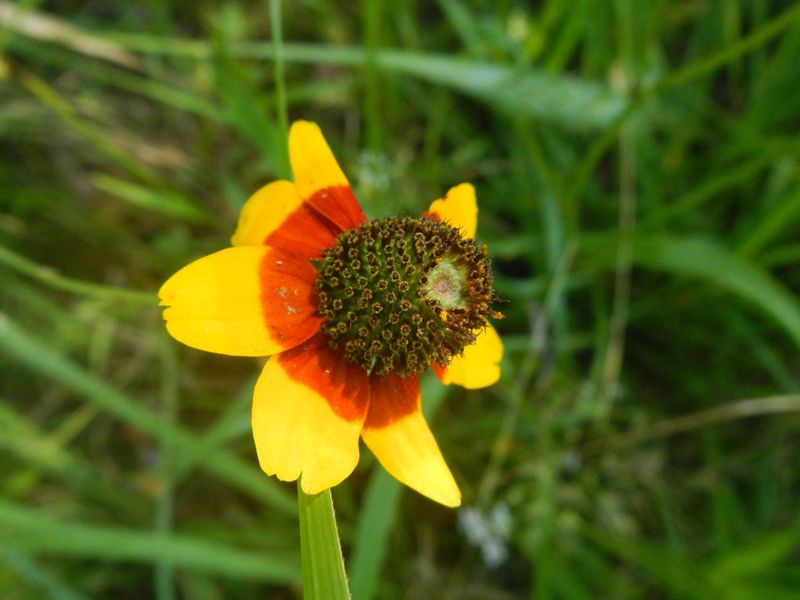
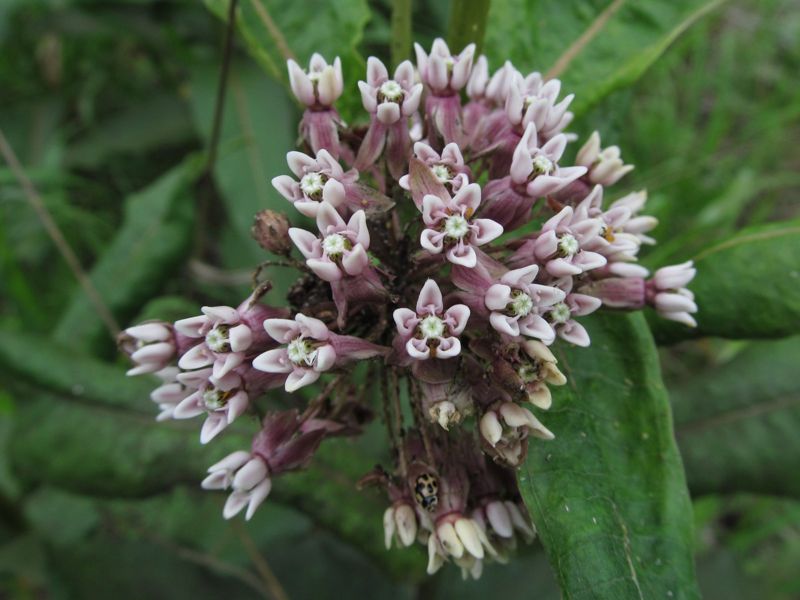
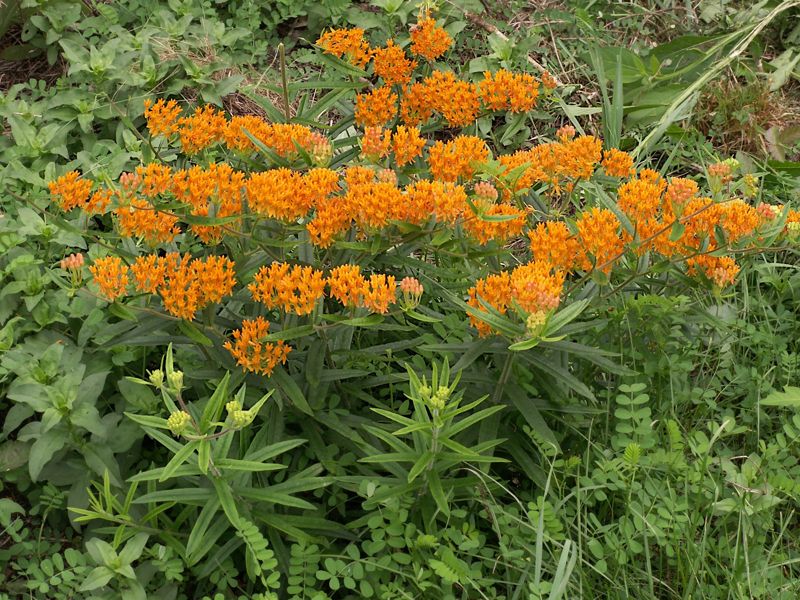
The brilliant orange-flowered native milkweed that is essential habitat for monarch butterflies, whose caterpillars feed exclusively on milkweed species. Unlike common milkweed, butterfly weed has clear sap rather than milky latex and prefers dry, well-drained soils. It is one of the most drought-tolerant native perennials and a cornerstone species for pollinator conservation.
How to Grow Butterfly weed
Plant it in sandy, well-drained soil; drought-tolerant once established, at a slightly acidic pH of 5.5–7.
Exact sowing, transplanting, and harvest months shift by climate zone — the planting calendar below lays them out for cool through hot regions. Learn its cautions before you harvest — the safety notes below are not decoration.
Companion Planting & Soil
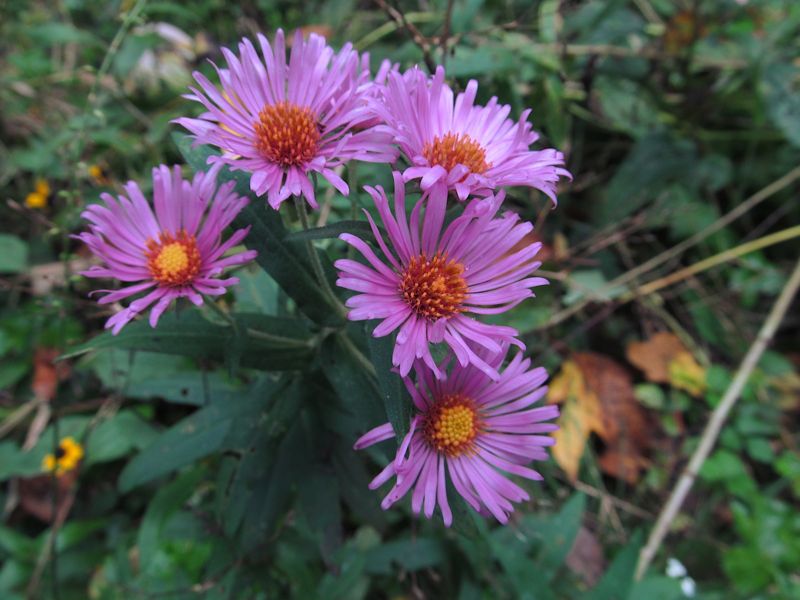
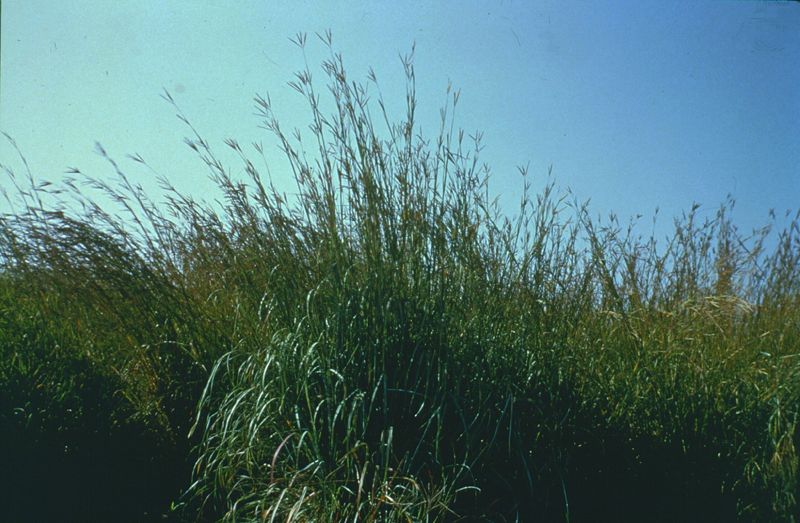
Butterfly weed grows well alongside echinacea, blazing star, little bluestem, and goldenrod.
Good Companions
Planting Calendar
When to sow, transplant, and harvest by growing zone.
| Zone | Action | Months | Notes |
|---|---|---|---|
| Cold (1-2) | Direct Sow | Oct — Nov | Fall sow for cold stratification; native milkweed with orange flowers |
| Cold (1-2) | Bloom | Jun — Aug | Brilliant orange flowers; monarch and swallowtail butterfly magnet |
| Cool (3-4) | Direct Sow | Oct — Nov | Fall sow; or cold-stratify seed 30 days; slow to emerge in spring — mark location |
| Cool (3-4) | Bloom | Jun — Aug | Summer bloom; unlike common milkweed, does NOT spread aggressively |
| Moderate (5-7) | Transplant | Apr — May | Transplant nursery plants only; taproot makes field transplant difficult |
| Moderate (5-7) | Bloom | May — Aug | Long bloom; excellent cut flower; sear stem ends in flame for vase life |
| Warm (8-9) | Transplant | Mar — Apr | Plant in spring; full sun; dry, well-drained soil; do not overwater |
| Warm (8-9) | Bloom | Apr — Aug | Extended bloom; thrives in poor, dry soil |
| Hot (10+) | Transplant | Feb — Mar | Plant in spring; remarkably drought tolerant once established |
| Hot (10+) | Bloom | Mar — Jul | Spring through summer bloom |
Uses
Beyond the Garden
Butterfly weed earns its keep past the plate, too: critical monarch butterfly larval host plant; drought-tolerant native for xeriscaping; attracts a wide diversity of pollinators.
Safety Notes
A milkweed, and one of the bitter, higher-toxin species — not for the pot, unlike properly prepared common milkweed. Monarchs, on the other hand, love it.
The Field Library
Books from the Futurespore shelf that go deeper on plants like this one.
- Gaia's Garden home-scale permaculture — guilds, food forests, and beds that tend themselves
- The Resilient Gardener growing staple food through drought, flood, and hard seasons
These are Bookshop.org affiliate links — they support independent bookstores and earn Futurespore a small commission at no extra cost to you. Browse the full Futurespore Bookshelf.