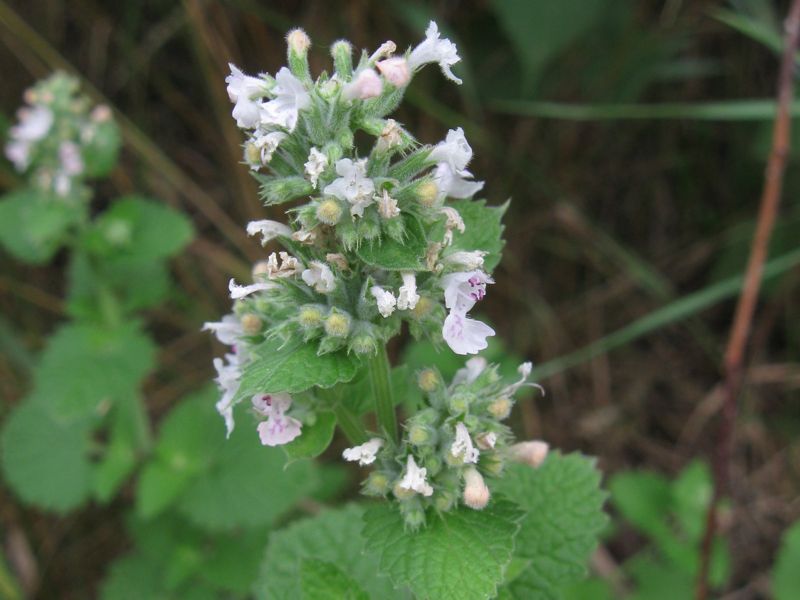
 Moench / Public domain · Source
Buckwheat
Fagopyrum esculentum
Overview
Despite its name, buckwheat is not a grass or cereal grain but a fast-growing relative of rhubarb and sorrel. It flowers prolifically within weeks of sowing, making it one of the best short-term cover crops and bee plants available. Buckwheat's triangular seeds are naturally gluten-free and have been a dietary staple from Russia to Japan for centuries.
Growing Conditions
How to Grow Buckwheat
Buckwheat (Fagopyrum esculentum) is a forb/herb that grows to about 4 feet tall and 4 feet wide.
Buckwheat is hardy across USDA hardiness zones 6–8. Plant it in light, well-drained soil; thrives in poor, acidic soils, at a slightly acidic pH of 5–7.
Exact sowing, transplanting, and harvest months shift by climate zone — the planting calendar below lays them out for cool through hot regions. Its flowers appear from June through August. Match it to the right spot, and the rest is mostly patience.
Companion Planting & Soil
Buckwheat grows well alongside crimson clover, squash, and cucumber.
Good Companions
Planting Calendar
When to sow, transplant, and harvest by growing zone.
| Zone | Action | Months | Notes |
|---|---|---|---|
| Cold (1-2) | Direct Sow | Jun — Jul | Direct sow after all frost; fastest cover crop — blooms in 30 days; frost-tender |
| Cold (1-2) | Harvest | Jul — Aug | Mow at 50% bloom; incorporate or leave as mulch; seed viable — mow before full seed set |
| Cool (3-4) | Direct Sow | May — Jul | Sow after frost; excellent smother crop for weed suppression |
| Cool (3-4) | Harvest | Jun — Aug | Terminate at bloom; decomposes rapidly; sow successive rounds |
| Moderate (5-7) | Direct Sow | Apr — Aug | Sow spring through summer; phosphorus accumulator; great bee plant |
| Moderate (5-7) | Harvest | May — Sep | Mow at flowering; composts in place within 2 weeks |
| Warm (8-9) | Direct Sow | Mar — Sep | Sow spring through early fall; fills gaps between main crops |
| Warm (8-9) | Harvest | Apr — Oct | Quick turnaround; excellent between spring and fall crops |
| Hot (10+) | Direct Sow | Mar — Sep | Sow in warm months; dies at first frost — easy to terminate |
| Hot (10+) | Harvest | Apr — Oct | Fast summer cover; attracts beneficial insects |
Uses
In the Kitchen
In the kitchen, buckwheat turns up in more than one form: ground into flour for pancakes, soba noodles, and crepes; groats cooked as porridge or kasha; sprouted for salads and grain bowls.
Medicinal & Folk Use
In herbal and folk tradition, it has been valued in several ways: high in rutin, which strengthens capillaries and blood vessels; rich in magnesium and manganese; gluten-free protein source with all essential amino acids. These are traditional uses, not medical advice.
Beyond the Garden
Buckwheat earns its keep past the plate, too: premier fast-blooming cover crop for pollinators; phosphorus scavenger that makes nutrients available to subsequent crops; smothers weeds in as little as 30 days.
Safety Notes
The grain is safe. Eating large amounts of buckwheat greens or sprouts can cause fagopyrism, a light-sensitivity of the skin — treat the greens as an occasional vegetable, not a staple.
The Field Library
Books from the Futurespore shelf that go deeper on plants like this one.
- The Forager's Harvest identification, harvest windows, and preparation from someone who eats what he teaches
- Gaia's Garden home-scale permaculture — guilds, food forests, and beds that tend themselves
These are Bookshop.org affiliate links — they support independent bookstores and earn Futurespore a small commission at no extra cost to you. Browse the full Futurespore Bookshelf.