Overview
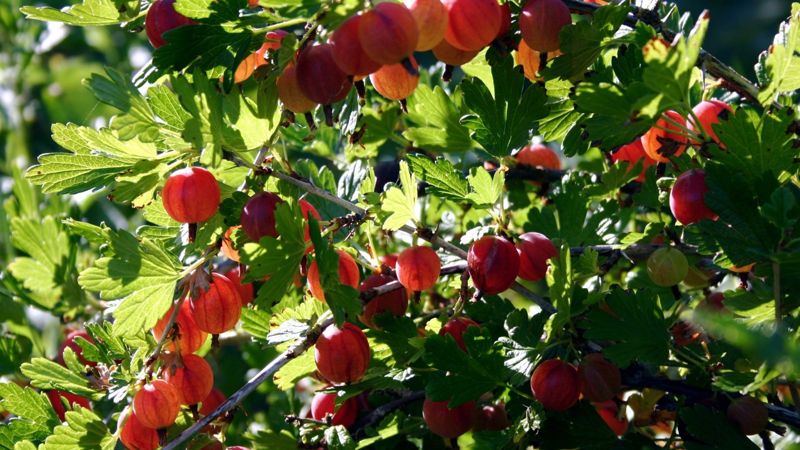
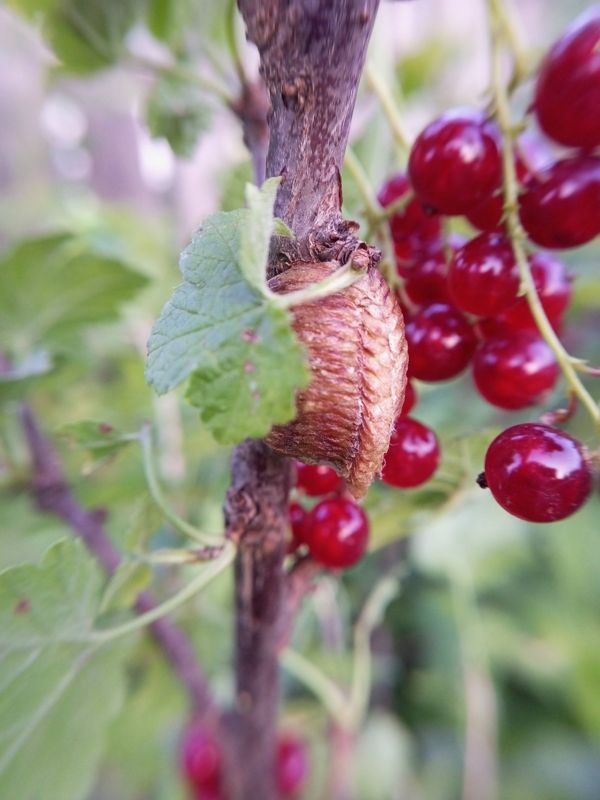
Small, tart berries that grow on easy-care deciduous shrubs, currants come in red, black, and white varieties each with distinct flavors and uses. Black currants are nutritional powerhouses with four times the vitamin C of oranges, while red currants make jewel-like jellies and sauces. Once banned in the US for harboring white pine blister rust, they are now legal in most states and enjoying a well-deserved revival.
Growing Conditions
How to Grow Currant
Currant (Ribes rubrum) is a shrub that grows to about 3 feet tall and 4 feet wide.
To grow currant, give it partial sun to partial shade. It is hardy across USDA hardiness zones 3–6. Plant it in rich, moist, well-drained soil with consistent moisture, at a slightly acidic pH of 5.5–7. It does best with even, moderate watering.
Exact sowing, transplanting, and harvest months shift by climate zone — the planting calendar below lays them out for cool through hot regions. Its flowers appear from April through April, offering high value to pollinators. Let a few flowers go by unpicked; the bees will thank you, and so will next season.
Companion Planting & Soil
Currant grows well alongside garlic, chive, tansy, and wormwood — but keep it clear of walnut and white pine.
Good Companions
Avoid Planting Near
Planting Calendar
When to sow, transplant, and harvest by growing zone.
| Zone | Action | Months | Notes |
|---|---|---|---|
| Cold (1-2) | Transplant | Apr — May | Plant bare-root in spring; hardy to zone 2; very cold tolerant |
| Cold (1-2) | Harvest | Jul — Aug | Harvest entire clusters when all berries are colored; use immediately or freeze |
| Cold (1-2) | Prune | Mar — Mar | Prune in late winter; remove canes over 3 years old; keep 8-12 canes |
| Cool (3-4) | Transplant | Mar — Apr | Plant bare-root in early spring; space 4-5 feet apart |
| Cool (3-4) | Harvest | Jun — Jul | Pick whole strigs; strip berries with a fork |
| Cool (3-4) | Prune | Feb — Mar | Prune while dormant; thin to improve air circulation |
| Moderate (5-7) | Transplant | Feb — Mar | Plant in late winter dormancy; prefers cool climates |
| Moderate (5-7) | Harvest | Jun — Jul | Harvest when fully colored; high in vitamin C |
| Moderate (5-7) | Prune | Jan — Feb | Winter pruning; black currants fruit on 1-year wood, red/white on 2-3 year |
| Warm (8-9) | Transplant | Dec — Jan (wraps) | Plant while dormant; poor performance above zone 8 |
| Warm (8-9) | Harvest | May — Jun | Harvest in late spring |
Uses
In the Kitchen
In the kitchen, currant turns up in more than one form: red currant jelly classic with roasted meats; black currants made into cassis liqueur, jams, and cordials; fresh in tarts, pies, and compotes.
Medicinal & Folk Use
In herbal and folk tradition, it has been valued in several ways: black currants exceptionally high in vitamin C and anthocyanins; gamma-linolenic acid in seed oil supports skin and joint health; traditional use for sore throats and cold relief. These are traditional uses, not medical advice.
Beyond the Garden
Currant earns its keep past the plate, too: productive hedgerow and edible landscaping shrubs; wildlife food source for songbirds.
The Field Library
Books from the Futurespore shelf that go deeper on plants like this one.
- Edible Wild Plants a photographic guide organized by season — good for checking an ID twice in the field
- The Resilient Gardener growing staple food through drought, flood, and hard seasons
These are Bookshop.org affiliate links — they support independent bookstores and earn Futurespore a small commission at no extra cost to you. Browse the full Futurespore Bookshelf.