Raspberry
Rubus idaeus
Overview
One of the most rewarding bramble fruits, raspberries produce delicate, intensely flavored berries in red, gold, black, and purple varieties. Summer-bearing types produce one large flush, while ever-bearing varieties fruit in both summer and fall. Their fragile nature means the best raspberries are the ones you grow yourself — they are too delicate for commercial shipping at peak ripeness.
Growing Conditions
How to Grow Raspberry
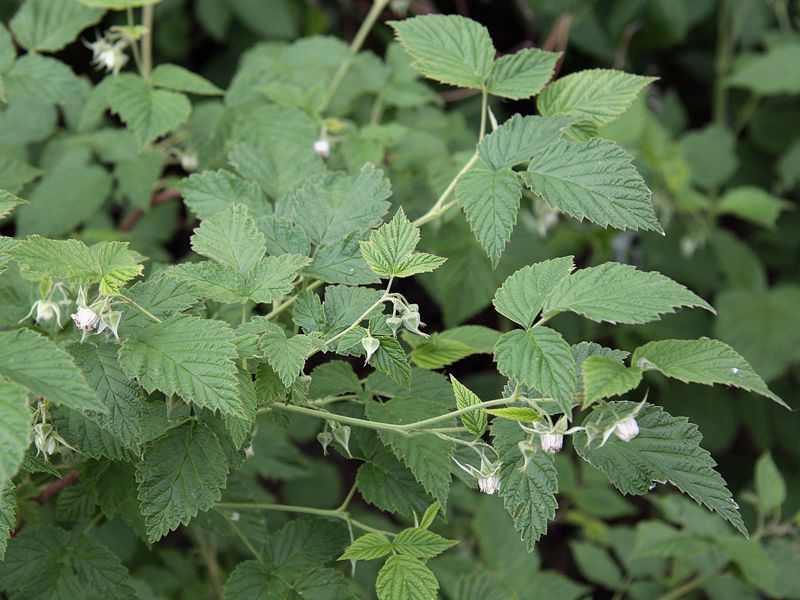
Raspberry (Rubus idaeus) is a perennial shrub that grows to about 6 feet tall and 3 feet wide.
To grow raspberry, give it full sun. It is hardy across USDA hardiness zones 1a–9. Plant it in rich, well-drained, slightly acidic soil with plenty of organic matter, at a slightly acidic pH of 5.5–6.5. It does best with even, moderate watering.
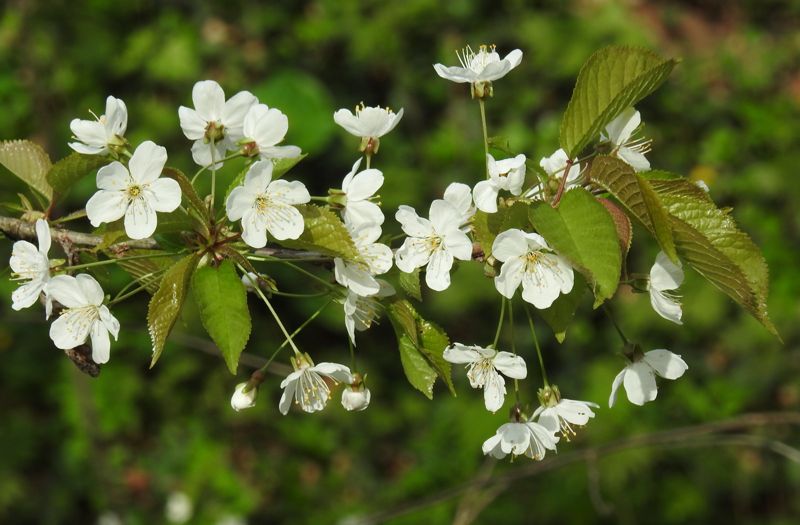
Exact sowing, transplanting, and harvest months shift by climate zone — the planting calendar below lays them out for cool through hot regions. Its white flowers appear from March through May, offering moderate value to pollinators. A plant worth learning slowly, the way it has been used for generations.
Companion Planting & Soil
Raspberry grows well alongside garlic, tansy, marigold, and yarrow — but keep it clear of blackberry, potato, tomato, and eggplant.
Good Companions
Avoid Planting Near
Planting Calendar
When to sow, transplant, and harvest by growing zone.
| Zone | Action | Months | Notes |
|---|---|---|---|
| Cold (1-2) | Transplant | May — Jun | Plant bare-root canes after last frost |
| Cool (3-4) | Transplant | Apr — May | Plant bare-root in early spring |
| Moderate (5-7) | Transplant | Mar — Apr | Plant in spring; floricane varieties for summer harvest |
| Moderate (5-7) | Harvest | Jun — Sep | Pick every 2-3 days when ripe; morning harvest keeps best |
| Moderate (5-7) | Prune | Feb — Mar | Cut spent floricanes to ground; thin new primocanes |
Uses
In the Kitchen
In the kitchen, raspberry turns up in more than one form: fresh eating — the ultimate garden-to-mouth fruit; jam, preserves, and baking; frozen for smoothies and sorbets.
Medicinal & Folk Use
In herbal and folk tradition, it has been valued in several ways: red raspberry leaf tea widely used for uterine health; rich in ellagic acid with anti-cancer properties; high in vitamin C and manganese. These are traditional uses, not medical advice.
Beyond the Garden
Raspberry earns its keep past the plate, too: ever-bearing varieties extend harvest season into fall; productive hedgerow and edible landscaping.
Safety Notes
Berries are safe. Leaf tea is traditional but avoid in first trimester of pregnancy. Thorns can cause skin irritation/infection — wear gloves when pruning.
The Field Library
Books from the Futurespore shelf that go deeper on plants like this one.
- The Modern Herbal Dispensatory a working reference for tinctures, salves, and doses once you get serious
- The Forager's Harvest identification, harvest windows, and preparation from someone who eats what he teaches
- Gaia's Garden home-scale permaculture — guilds, food forests, and beds that tend themselves
These are Bookshop.org affiliate links — they support independent bookstores and earn Futurespore a small commission at no extra cost to you. Browse the full Futurespore Bookshelf.