Gooseberry
Ribes uva-crispa
Overview
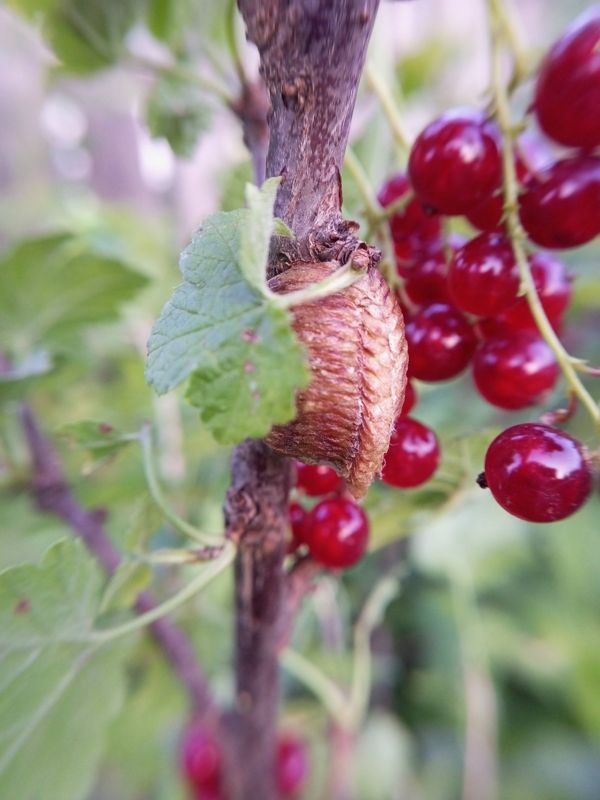
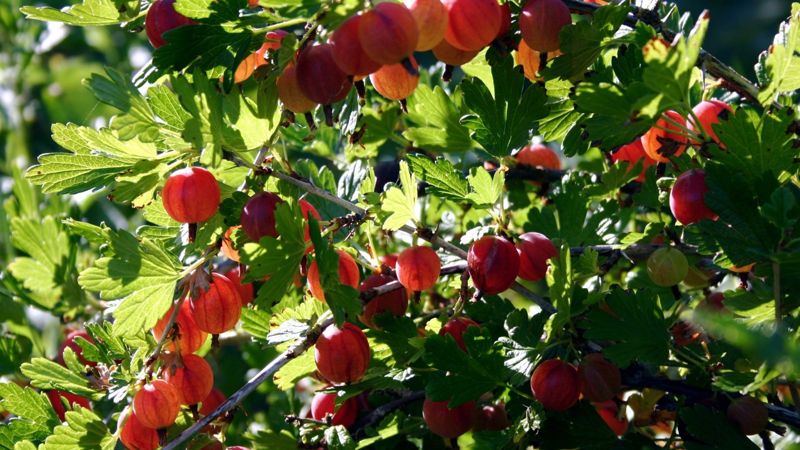
A tart, translucent berry that was once the most popular fruit in Britain before falling out of fashion, now experiencing a revival among foragers and permaculture enthusiasts. Gooseberries come in green, red, purple, and golden varieties, with flavors ranging from sharp and citrusy to honey-sweet when fully ripe. They are exceptionally cold-hardy and productive in climates too cold for many other fruits.
Growing Conditions
How to Grow Gooseberry
Gooseberry (Ribes uva-crispa) is a perennial shrub that grows to about 3 feet tall and 3 feet wide.
To grow gooseberry, give it partial sun to partial shade. It is hardy across USDA hardiness zones 3–8. Plant it in rich, moist, well-drained soil with good organic matter, at a slightly acidic pH of 5.5–6.8. It does best with even, moderate watering.
Exact sowing, transplanting, and harvest months shift by climate zone — the planting calendar below lays them out for cool through hot regions. Its flowers appear from April through April, offering high value to pollinators. A generous plant — a harvest for you, and forage for the pollinators.
Companion Planting & Soil
Gooseberry grows well alongside tomato, tansy, hyssop, and chive — but keep it clear of walnut and white pine.
Good Companions
Avoid Planting Near
Planting Calendar
When to sow, transplant, and harvest by growing zone.
| Zone | Action | Months | Notes |
|---|---|---|---|
| Cold (1-2) | Transplant | Apr — May | Plant bare-root in early spring; hardy to zone 2; full sun to part shade |
| Cold (1-2) | Harvest | Jul — Aug | Harvest when berries are slightly soft; underripe for cooking, ripe for fresh eating |
| Cold (1-2) | Prune | Mar — Mar | Prune in late winter; remove wood older than 3 years; keep 9-12 canes |
| Cool (3-4) | Transplant | Mar — Apr | Plant bare-root in early spring; space 4 feet apart |
| Cool (3-4) | Harvest | Jun — Jul | Pick when fruit gives slightly; use gloves for thorny varieties |
| Cool (3-4) | Prune | Feb — Mar | Prune while dormant; open center for air flow |
| Moderate (5-7) | Transplant | Feb — Mar | Plant in late winter; prefers cool summers |
| Moderate (5-7) | Harvest | May — Jul | Harvest early for tart cooking berries; later for sweet fresh eating |
| Moderate (5-7) | Prune | Jan — Feb | Winter pruning; remove oldest canes annually |
| Warm (8-9) | Transplant | Dec — Jan (wraps) | Plant in winter dormancy; struggles above zone 8 |
| Warm (8-9) | Harvest | May — Jun | Harvest in late spring before heat |
| Hot (10+) | Transplant | Dec — Jan (wraps) | Marginal in hot zones; needs afternoon shade and cool roots |
Uses
In the Kitchen
In the kitchen, gooseberry turns up in more than one form: classic gooseberry fool and crumble desserts; jams, jellies, and chutneys; green gooseberries in savory sauces for fatty fish and meats.
Medicinal & Folk Use
In herbal and folk tradition, it has been valued in several ways: high in vitamin C and antioxidants; fiber-rich for digestive health; traditional tonic berry in Scandinavian folk medicine. These are traditional uses, not medical advice.
Beyond the Garden
Gooseberry earns its keep past the plate, too: productive fruiting hedge or border; shade-tolerant fruit for forest garden understory.
Safety Notes
Thorny stems; wear gloves when harvesting.
The Field Library
Books from the Futurespore shelf that go deeper on plants like this one.
- Medicinal Herbs: A Beginner's Guide the friendliest on-ramp to growing and using healing herbs at home
- The Forager's Harvest identification, harvest windows, and preparation from someone who eats what he teaches
- Gaia's Garden home-scale permaculture — guilds, food forests, and beds that tend themselves
These are Bookshop.org affiliate links — they support independent bookstores and earn Futurespore a small commission at no extra cost to you. Browse the full Futurespore Bookshelf.