Overview
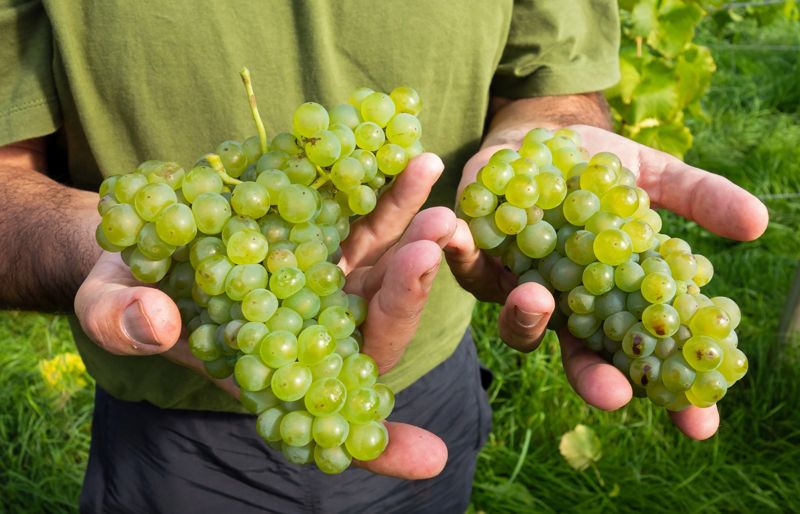
One of the oldest cultivated fruits, grapes have shaped human civilization through winemaking for over 8,000 years while also providing table fruit, raisins, juice, and vinegar. American, European, and hybrid grapes each offer different advantages — from the cold-hardiness of Concord to the wine quality of Cabernet. Grape vines can produce fruit for over 100 years and are among the most versatile plants for edible landscaping.
Growing Conditions
How to Grow Grape
Grape (Vitis spp.) is a vine that grows to about 10 feet tall and 6 feet wide.
Grape is hardy across USDA hardiness zones 5–9. Plant it in deep, well-drained, moderately fertile soil, at a slightly acidic pH of 5.5–6.5.
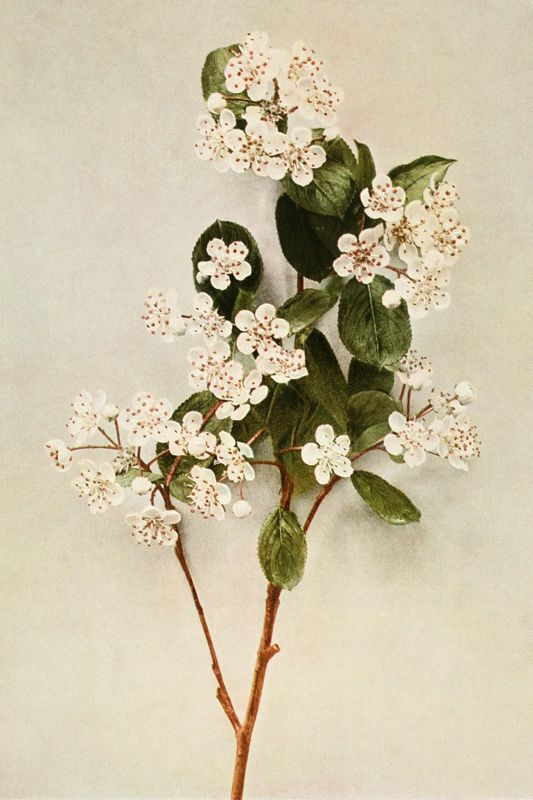
Exact sowing, transplanting, and harvest months shift by climate zone — the planting calendar below lays them out for cool through hot regions. Its flowers appear from June through August, offering moderate value to pollinators. Give it what it asks for here, and it will find its place in the garden.
Companion Planting & Soil
Grape grows well alongside hyssop, chive, geranium, clover, and basil — but keep it clear of walnut, cabbage, and radish.
Good Companions
Avoid Planting Near
Planting Calendar
When to sow, transplant, and harvest by growing zone.
| Zone | Action | Months | Notes |
|---|---|---|---|
| Cold (1-2) | Transplant | May — May | Plant bare-root in spring; choose cold-hardy cultivars (Marquette, Frontenac) |
| Cold (1-2) | Harvest | Aug — Sep | Harvest when seeds turn brown and berries taste sweet; not all ripen at once |
| Cold (1-2) | Prune | Mar — Mar | Prune heavily in late winter while dormant; remove 80-90% of previous year growth |
| Cool (3-4) | Transplant | Apr — May | Plant in spring; provide sturdy trellis or arbor |
| Cool (3-4) | Harvest | Aug — Oct | Harvest when berries are sweet and seeds are brown |
| Cool (3-4) | Prune | Feb — Mar | Prune while dormant; spur prune or cane prune depending on variety |
| Moderate (5-7) | Transplant | Feb — Mar | Plant bare-root in late winter while dormant |
| Moderate (5-7) | Harvest | Jul — Oct | Taste test — sweetness does not increase after picking |
| Moderate (5-7) | Prune | Jan — Feb | Winter prune before bud swell; leave 3-4 buds per spur |
| Warm (8-9) | Transplant | Jan — Feb | Plant while dormant; muscadine types best for warm zones |
| Warm (8-9) | Harvest | Jun — Sep | Harvest when fully colored and sweet |
| Warm (8-9) | Prune | Dec — Jan (wraps) | Prune in winter dormancy |
| Hot (10+) | Transplant | Dec — Jan (wraps) | Plant during winter dormancy; muscadine or Thompson types |
| Hot (10+) | Harvest | May — Aug | Harvest before extreme heat desiccates fruit |
| Hot (10+) | Prune | Dec — Jan (wraps) | Prune when fully dormant |
Uses
In the Kitchen
In the kitchen, grape turns up in more than one form: fresh table grapes, raisins, and juice; winemaking — one of the most complex fermented beverages; grape leaves stuffed in Mediterranean cuisine (dolmades).
Medicinal & Folk Use
In herbal and folk tradition, it has been valued in several ways: resveratrol in skins supports cardiovascular health; seed extract rich in proanthocyanidins for blood vessel integrity; traditional use of grape leaves for circulation and inflammation. These are traditional uses, not medical advice.
Beyond the Garden
Grape earns its keep past the plate, too: edible ornamental vine for arbors and pergolas; grapevine wreaths and dried vine crafts.
Safety Notes
Grapes and raisins are seriously toxic to dogs — even a small amount can cause kidney failure. If dogs share your garden, keep dropped fruit picked up.
The Field Library
Books from the Futurespore shelf that go deeper on plants like this one.
- Northeast Foraging region-tuned wild food guidance with clear lookalike warnings
- Braiding Sweetgrass reframes growing and gathering as a relationship of reciprocity
These are Bookshop.org affiliate links — they support independent bookstores and earn Futurespore a small commission at no extra cost to you. Browse the full Futurespore Bookshelf.