Overview
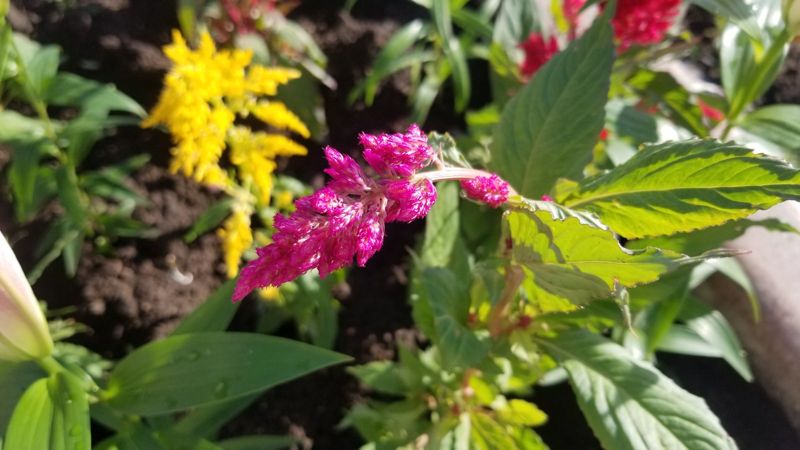
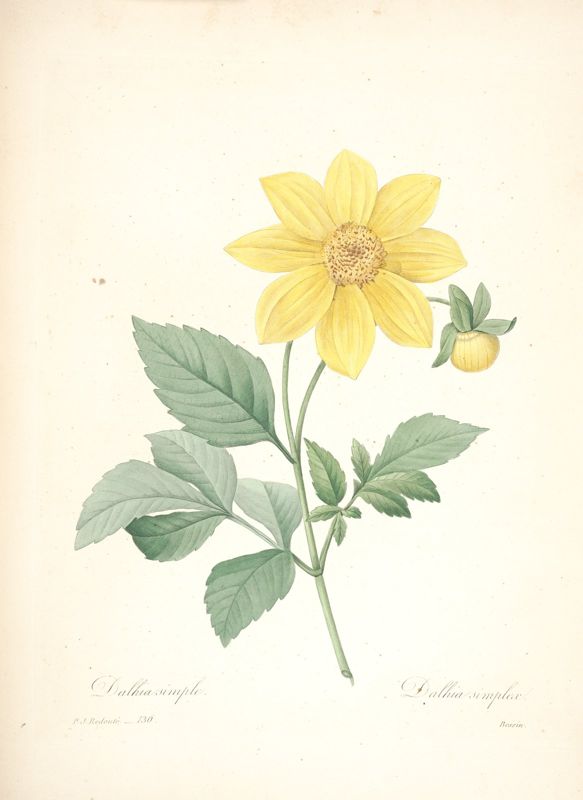
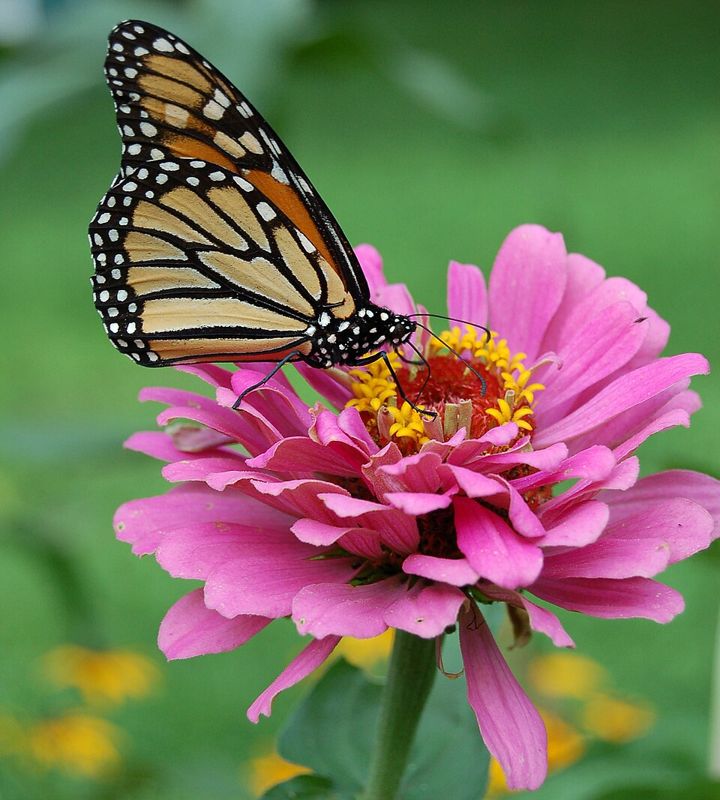
Bold, bright, and impossibly cheerful, zinnias are the quintessential cut-and-come-again flower — the more you cut, the more they bloom. Native to Mexico, they come in every warm color from pure white through vivid orange, scarlet, and deep burgundy, with single, double, cactus, and pompom flower forms. Zinnias are a magnet for butterflies and one of the easiest flowers to grow from direct-sown seed.
Growing Conditions
How to Grow Zinnia
Zinnia (Zinnia elegans) is a forb/herb that grows to about 2.5 feet tall and 12 inches wide.
Zinnia is hardy across USDA hardiness zones 5–9. Plant it in average, well-drained soil; heat and drought tolerant, at a slightly acidic pH of 5.5–7.5.
Exact sowing, transplanting, and harvest months shift by climate zone — the planting calendar below lays them out for cool through hot regions. Its flowers appear from April through October, offering high value to pollinators. Match it to the right spot, and the rest is mostly patience.
Companion Planting & Soil
Zinnia grows well alongside marigold, sunflower, cosmos, and basil.
Good Companions
Planting Calendar
When to sow, transplant, and harvest by growing zone.
| Zone | Action | Months | Notes |
|---|---|---|---|
| Cold (1-2) | Direct Sow | Jun — Jun | Direct sow after last frost; dislikes transplanting |
| Cool (3-4) | Direct Sow | May — Jun | Direct sow after last frost |
| Moderate (5-7) | Direct Sow | Apr — Jun | Direct sow after last frost; succession sow monthly |
| Warm (8-9) | Direct Sow | Mar — May | Direct sow in spring |
| Hot (10+) | Direct Sow | Feb — Apr | Direct sow; also Sep for fall bloom |
Uses
Beyond the Garden
Zinnia earns its keep past the plate, too: premier butterfly garden annual; cut-and-come-again flower for abundant bouquets; easiest flower to direct-sow from seed; heat-loving annual that thrives in full sun and summer heat.
The Field Library
Books from the Futurespore shelf that go deeper on plants like this one.
- Gaia's Garden home-scale permaculture — guilds, food forests, and beds that tend themselves
- The Resilient Gardener growing staple food through drought, flood, and hard seasons
These are Bookshop.org affiliate links — they support independent bookstores and earn Futurespore a small commission at no extra cost to you. Browse the full Futurespore Bookshelf.