Rhubarb
Rheum rhabarbarum
Overview
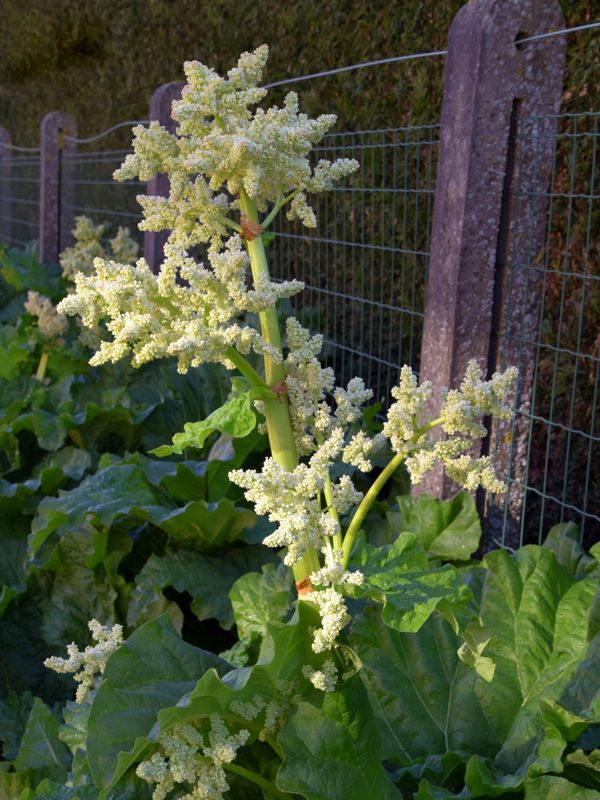
A dramatic, long-lived perennial with massive, architectural leaves and tart, crimson stalks that bridge the gap between fruit and vegetable. Only the stalks are edible — the leaves contain dangerously high levels of oxalic acid. Rhubarb is one of the first harvests of spring and a traditional pie plant that has been forcing gardeners to debate 'fruit or vegetable' for centuries. (It's a vegetable.)
Growing Conditions
How to Grow Rhubarb
Rhubarb (Rheum rhabarbarum) is a forb/herb that grows to about 1.5 feet tall and 12 inches wide.
To grow rhubarb, give it partial sun to partial shade. It is hardy across USDA hardiness zones 2–6. Plant it in rich, deep, well-drained, fertile soil with plenty of organic matter, at a slightly acidic pH of 5.5–7. It does best with even, moderate watering.
Exact sowing, transplanting, and harvest months shift by climate zone — the planting calendar below lays them out for cool through hot regions. Its flowers appear from June through September. Old knowledge lives in this one; grow it, and you keep a little of that alive.
Companion Planting & Soil
Rhubarb grows well alongside garlic, onion, strawberry, and columbine.
Good Companions
Planting Calendar
When to sow, transplant, and harvest by growing zone.
| Zone | Action | Months | Notes |
|---|---|---|---|
| Cold (1-2) | Transplant | Apr — May | Plant crowns in early spring; needs 2+ years before first harvest |
| Cold (1-2) | Harvest | Jun — Jul | Pull (do not cut) stalks when 12-18"; NEVER eat leaves — they are toxic |
| Cold (1-2) | Divide | Apr — Apr | Divide crowns every 5-6 years in early spring; each division needs 1-3 buds |
| Cool (3-4) | Transplant | Mar — Apr | Plant crowns in spring; space 3-4 feet apart; do not harvest year 1 |
| Cool (3-4) | Harvest | May — Jul | Pull stalks with a twist; leave at least 4 stalks per plant |
| Cool (3-4) | Divide | Mar — Apr | Divide every 5-6 years when growth slows |
| Moderate (5-7) | Transplant | Feb — Mar | Plant in late winter; full sun; rich, well-drained soil |
| Moderate (5-7) | Harvest | Apr — Jun | Harvest for 8-10 weeks then stop to let plant rebuild energy |
| Moderate (5-7) | Divide | Feb — Mar | Divide in late winter; replant immediately |
| Warm (8-9) | Transplant | Dec — Jan (wraps) | Plant in winter; needs 500+ chill hours; may struggle above zone 8 |
| Warm (8-9) | Harvest | Feb — Apr | Short harvest window in late winter/spring |
Uses
In the Kitchen
In the kitchen, rhubarb turns up in more than one form: stalks stewed into compotes, jams, and pie filling; classic strawberry-rhubarb pie and crumble; syrup for cocktails and beverages.
Medicinal & Folk Use
In herbal and folk tradition, it has been valued in several ways: root (not garden rhubarb) used in Traditional Chinese Medicine as a digestive and laxative; stalks high in vitamin K and calcium; anthraquinones in root support liver and bowel function. These are traditional uses, not medical advice.
Beyond the Garden
Rhubarb earns its keep past the plate, too: dramatic architectural foliage plant; extremely long-lived perennial (20+ years); leaf mulch may suppress weeds (use with caution due to oxalic acid).
Safety Notes
Eat the stalks only. Rhubarb leaves contain high levels of oxalic acid and should not be eaten at all, in any quantity; poisoning causes burning of the mouth and throat, vomiting and, in severe cases, kidney damage. Cut the leaves off and compost them.
The Field Library
Books from the Futurespore shelf that go deeper on plants like this one.
- The Modern Herbal Dispensatory a working reference for tinctures, salves, and doses once you get serious
- Northeast Foraging region-tuned wild food guidance with clear lookalike warnings
- Braiding Sweetgrass reframes growing and gathering as a relationship of reciprocity
These are Bookshop.org affiliate links — they support independent bookstores and earn Futurespore a small commission at no extra cost to you. Browse the full Futurespore Bookshelf.