Amaranth
Amaranthus spp.
Overview
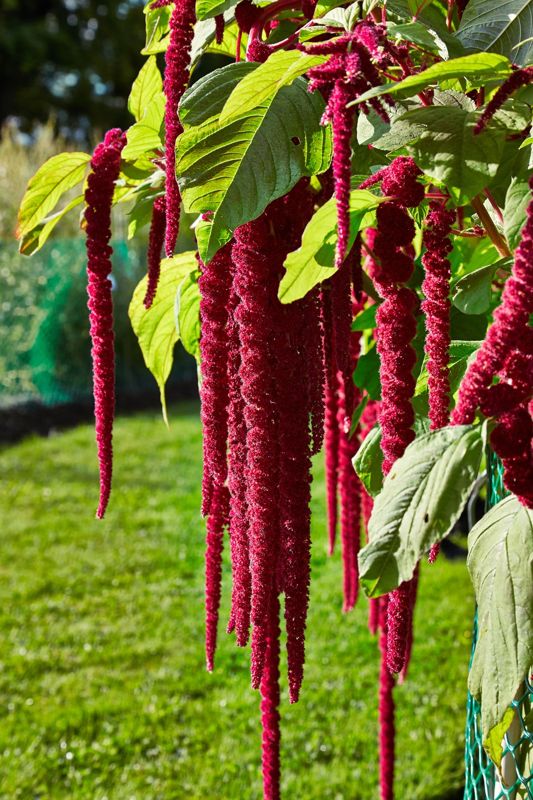
An ancient grain revered by the Aztecs as a sacred food, amaranth is both a stunning ornamental and a nutritional powerhouse. Its towering flower plumes in deep red, gold, or green are dramatic in the garden, while its tiny seeds contain more protein than most grains. Both the leaves and seeds are edible, making it a dual-purpose crop for food-forest gardens.
Mentioned in The Mycelial Grimoire
Posts on the Grimoire that reference Amaranth.
How to Grow Amaranth
Plant it in fertile, well-drained soil; tolerates poor conditions once established, at a slightly acidic pH of 6–7.5.
Exact sowing, transplanting, and harvest months shift by climate zone — the planting calendar below lays them out for cool through hot regions. The details above are a starting point — your ground will teach you the rest.
Companion Planting & Soil
Amaranth grows well alongside corn, onion, potato, and tomato.
Good Companions
Planting Calendar
When to sow, transplant, and harvest by growing zone.
| Zone | Action | Months | Notes |
|---|---|---|---|
| Cold (1-2) | Direct Sow | Jun — Jun | Direct sow after last frost; soil must be 65°F+; press seeds lightly into soil |
| Cold (1-2) | Harvest | Aug — Sep | Harvest grain when seeds fall freely when head is shaken; leaves edible anytime |
| Cool (3-4) | Direct Sow | May — Jun | Direct sow when soil is warm; tiny seeds — do not cover deeply |
| Cool (3-4) | Harvest | Aug — Oct | Harvest seed heads when they begin to shatter; dry thoroughly |
| Moderate (5-7) | Direct Sow | Apr — Jun | Direct sow after last frost; thin to 18" apart |
| Moderate (5-7) | Harvest | Jul — Oct | Cut seed heads into paper bags to catch grain; leaves edible at any stage |
| Warm (8-9) | Direct Sow | Mar — May | Direct sow in spring; drought tolerant once established |
| Warm (8-9) | Harvest | Jun — Sep | Harvest leaves as cut-and-come-again; grain when dry |
| Hot (10+) | Direct Sow | Feb — Apr | Sow in spring; thrives in heat unlike most grains |
| Hot (10+) | Harvest | May — Aug | Harvest grain when heads are dry; leaves edible throughout season |
Uses
In the Kitchen
In the kitchen, amaranth turns up in more than one form: seeds popped like popcorn or cooked as porridge; young leaves used like spinach in salads and stir-fries; ground into flour for gluten-free baking.
Medicinal & Folk Use
In herbal and folk tradition, it has been valued in several ways: complete protein source with all essential amino acids; high in iron, calcium, and magnesium; leaves rich in vitamins A and C. These are traditional uses, not medical advice.
Beyond the Garden
Amaranth earns its keep past the plate, too: natural dye from red-pigmented varieties; ornamental dried flower arrangements; grain crop for food sovereignty projects.
The Field Library
Books from the Futurespore shelf that go deeper on plants like this one.
- Edible Wild Plants a photographic guide organized by season — good for checking an ID twice in the field
- The Resilient Gardener growing staple food through drought, flood, and hard seasons
These are Bookshop.org affiliate links — they support independent bookstores and earn Futurespore a small commission at no extra cost to you. Browse the full Futurespore Bookshelf.