 Rob Hille / Public domain · Source
Lovage
Levisticum officinale
Overview
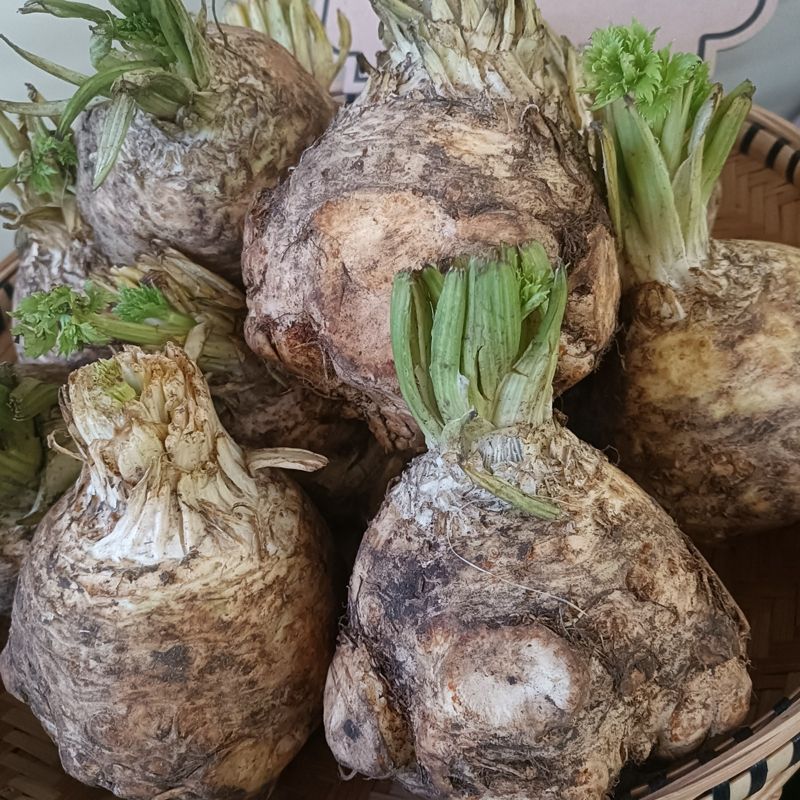
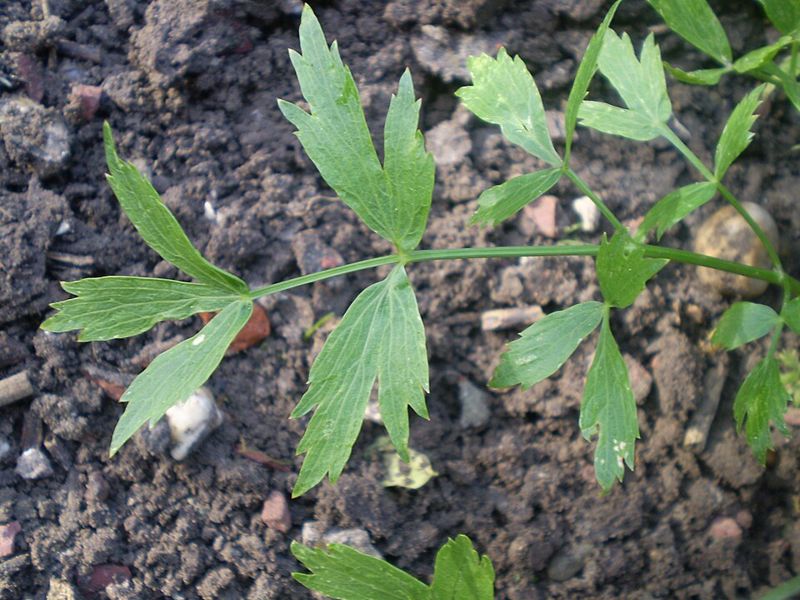
A towering perennial herb that tastes like intensely concentrated celery — just one plant provides enough seasoning for a household. Lovage can grow 6 feet tall and has been used in European cooking and medicine since the time of Charlemagne, who ordered it planted in all imperial gardens. Every part is useful: leaves, stalks, seeds, and roots.
How to Grow Lovage
Plant it in deep, rich, moist, well-drained soil, at a slightly acidic pH of 6–7.
Exact sowing, transplanting, and harvest months shift by climate zone — the planting calendar below lays them out for cool through hot regions. Give it what it asks for here, and it will find its place in the garden.
Companion Planting & Soil
Lovage grows well alongside bean, potato, and tomato.
Good Companions
Planting Calendar
When to sow, transplant, and harvest by growing zone.
| Zone | Action | Months | Notes |
|---|---|---|---|
| Cold (1-2) | Transplant | May — Jun | Plant in spring; perennial to zone 3; grows 4-6 feet tall |
| Cold (1-2) | Harvest | May — Sep | Harvest leaves, stems, and seeds; celery-like flavor |
| Cool (3-4) | Transplant | Apr — May | Plant in spring; one plant is plenty for most gardens |
| Cool (3-4) | Harvest | Apr — Oct | Cut leaves as needed; hollow stems can be used as straws |
| Moderate (5-7) | Transplant | Mar — Apr | Plant in early spring; give it space — reaches 6 feet |
| Moderate (5-7) | Harvest | Mar — Nov | Harvest throughout season; seeds in late summer |
| Moderate (5-7) | Divide | Mar — Apr | Divide every 3-4 years; replant divisions immediately |
| Warm (8-9) | Transplant | Feb — Mar | Plant in late winter; may go dormant in summer heat |
| Warm (8-9) | Harvest | Feb — May | Harvest in spring before summer dormancy |
| Hot (10+) | Transplant | Nov — Dec | Plant in fall; part shade essential; may not persist |
| Hot (10+) | Harvest | Dec — Apr (wraps) | Harvest during cool season |
Uses
In the Kitchen
In the kitchen, lovage turns up in more than one form: leaves used like celery in soups, stocks, and stews; hollow stems used as straws for Bloody Marys and savory drinks; seeds used in bread, biscuits, and spice blends.
Medicinal & Folk Use
In herbal and folk tradition, it has been valued in several ways: traditional diuretic and kidney tonic; carminative for gas and bloating; root decoction used historically for sore throats. These are traditional uses, not medical advice.
Beyond the Garden
Lovage earns its keep past the plate, too: dramatic architectural perennial herb; attracts beneficial insects including parasitic wasps.
Safety Notes
Avoid medicinal quantities in pregnancy or with kidney disease.
The Field Library
Books from the Futurespore shelf that go deeper on plants like this one.
- Northeast Foraging region-tuned wild food guidance with clear lookalike warnings
- Braiding Sweetgrass reframes growing and gathering as a relationship of reciprocity
These are Bookshop.org affiliate links — they support independent bookstores and earn Futurespore a small commission at no extra cost to you. Browse the full Futurespore Bookshelf.