Overview
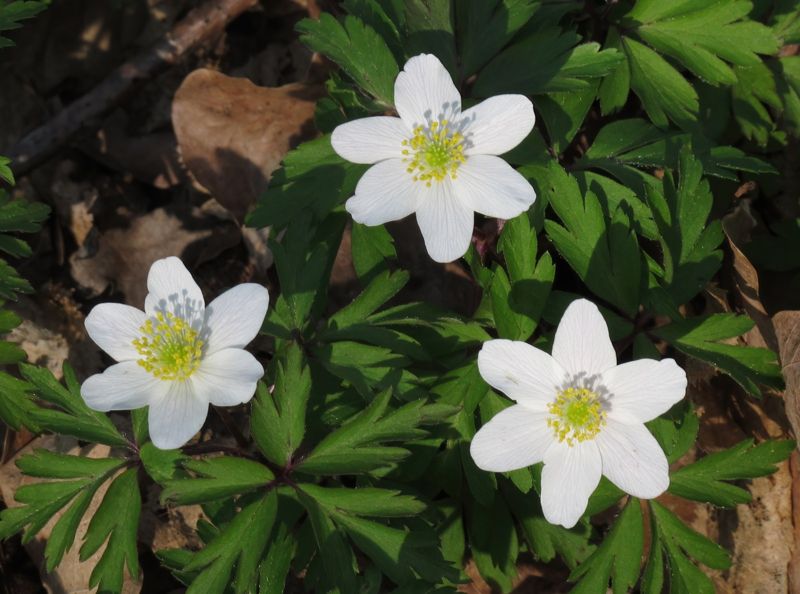
Delicate woodland flowers that bloom in jewel tones of white, pink, blue, and red, anemones have enchanted gardeners since ancient Greek mythology associated them with Aphrodite. These spring ephemerals emerge from corms or rhizomes and naturalize beautifully under deciduous trees. While toxic if ingested, they have a long history in traditional herbal medicine when used externally.
Growing Conditions
How to Grow Anemone
Anemone (Anemone spp.) is a forb/herb that grows to about 8 inches tall and 1 foot wide.
To grow anemone, give it partial sun to partial shade. It is hardy across USDA hardiness zones 2–6. Plant it in humus-rich, moist but well-drained woodland soil, at a slightly acidic pH of 5.5–7. It does best with even, moderate watering.
Exact sowing, transplanting, and harvest months shift by climate zone — the planting calendar below lays them out for cool through hot regions. Its flowers appear from May through August, offering high value to pollinators. Old knowledge lives in this one; grow it, and you keep a little of that alive.
Companion Planting & Soil
Anemone grows well alongside hosta, fern, bleeding heart, and hellebore.
Good Companions
Planting Calendar
When to sow, transplant, and harvest by growing zone.
| Zone | Action | Months | Notes |
|---|---|---|---|
| Cold (1-2) | Start Indoors | Mar — Apr | Pre-soak corms 4-8 hours; start in pots indoors; grow as annual |
| Cold (1-2) | Bloom | Jun — Jul | Poppy-like flowers with dark centers; cut when buds show color |
| Cool (3-4) | Transplant | Apr — May | Plant pre-soaked corms after last frost; 1-2" deep |
| Cool (3-4) | Bloom | May — Jul | Spring/summer bloom; excellent in mixed bouquets |
| Moderate (5-7) | Transplant | Oct — Nov | Plant in fall for spring bloom; soak corms overnight before planting |
| Moderate (5-7) | Bloom | Mar — May | Spring bloom; prolific once established — up to 20 stems per corm |
| Warm (8-9) | Transplant | Oct — Nov | Fall planting; blooms late winter through spring |
| Warm (8-9) | Bloom | Jan — Apr | Late winter through spring bloom; prized by florists |
| Hot (10+) | Transplant | Nov — Dec | Plant in late fall; cool-season cut flower |
| Hot (10+) | Bloom | Dec — Mar (wraps) | Winter bloom; fades when heat arrives |
Uses
Medicinal & Folk Use
In herbal and folk tradition: homeopathic remedies prepared from Anemone pulsatilla. These are traditional uses, not medical advice.
Beyond the Garden
Anemone earns its keep past the plate, too: excellent cut flowers with long vase life; naturalizing ground cover under trees; early-season pollinator support.
Safety Notes
Contains protoanemonin, an acrid irritant oil — sap can blister skin, and the fresh plant is toxic to eat. (The toxin breaks down when the plant is dried or heated, but there is no reason to test that.)
The Field Library
Books from the Futurespore shelf that go deeper on plants like this one.
- Medicinal Herbs: A Beginner's Guide the friendliest on-ramp to growing and using healing herbs at home
- Braiding Sweetgrass reframes growing and gathering as a relationship of reciprocity
These are Bookshop.org affiliate links — they support independent bookstores and earn Futurespore a small commission at no extra cost to you. Browse the full Futurespore Bookshelf.