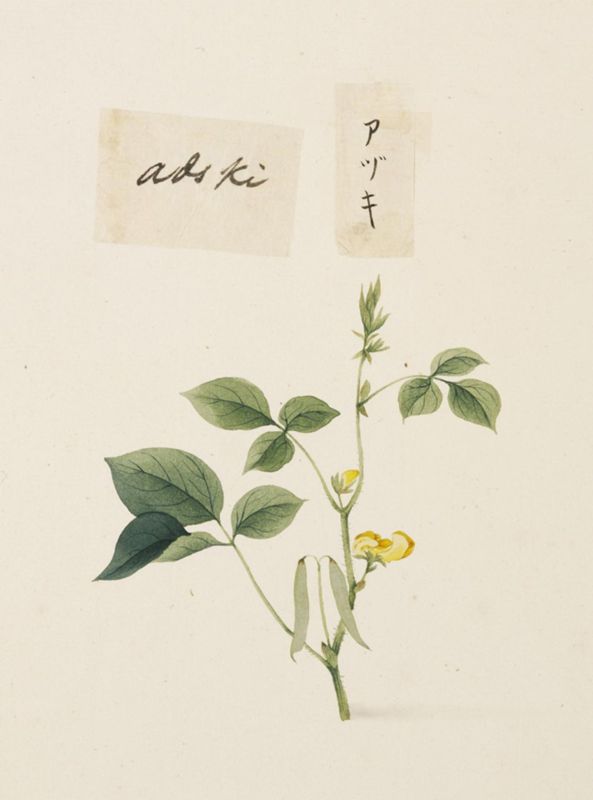
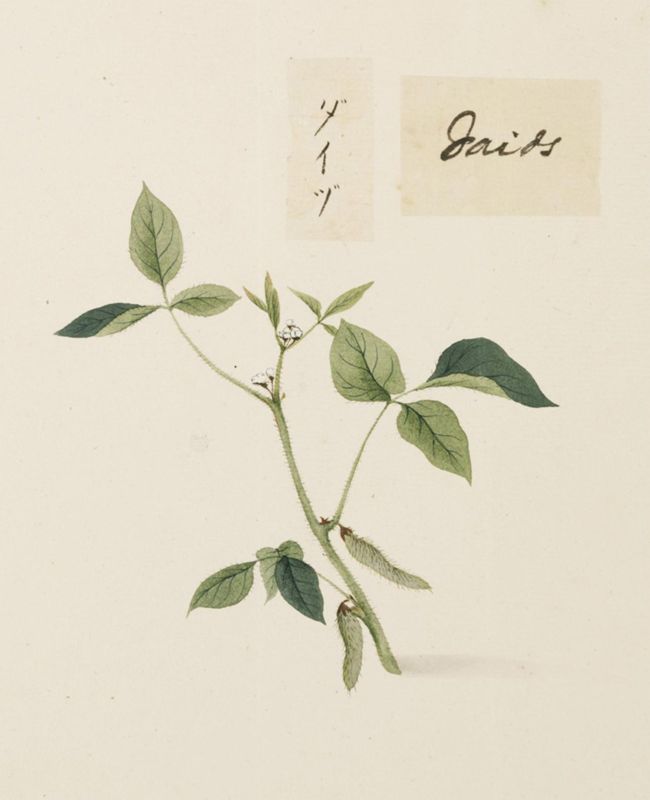
 Ishizaki Yūshi / Public domain · Source
Edamame
Glycine max
Overview
Young, green soybeans harvested at their peak of sweetness and nutrition, edamame has been enjoyed in East Asian cuisine for over 2,000 years. Unlike dried soybeans, edamame is eaten fresh or frozen and has a buttery, slightly nutty flavor. It's one of the few plant foods that provides a complete protein with all essential amino acids.
How to Grow Edamame
Plant it in fertile, well-drained loam with consistent moisture, at a slightly acidic pH of 6–7.
Exact sowing, transplanting, and harvest months shift by climate zone — the planting calendar below lays them out for cool through hot regions. Match it to the right spot, and the rest is mostly patience.
Companion Planting & Soil
Edamame grows well alongside corn, squash, potato, and celery — but keep it clear of onion, garlic, and fennel.
Good Companions
Avoid Planting Near
Planting Calendar
When to sow, transplant, and harvest by growing zone.
| Zone | Action | Months | Notes |
|---|---|---|---|
| Cold (1-2) | Direct Sow | Jun — Jun | Direct sow after soil reaches 60°F; choose short-season variety (75 days) |
| Cold (1-2) | Harvest | Aug — Sep | Harvest when pods are plump and bright green; 75-90 days |
| Cool (3-4) | Direct Sow | May — Jun | Direct sow when soil is 60°F+; inoculate seed with rhizobia |
| Cool (3-4) | Harvest | Jul — Sep | Harvest when pods are plump; entire plant at once |
| Moderate (5-7) | Direct Sow | May — Jun | Direct sow when soil is 60°F; space 4-6" apart |
| Moderate (5-7) | Harvest | Jul — Sep | Pull whole plant and strip pods; blanch immediately |
| Warm (8-9) | Direct Sow | Mar — May | Sow in spring; succession sow for extended harvest |
| Warm (8-9) | Harvest | Jun — Aug | Harvest when pods are bright green and plump |
| Hot (10+) | Direct Sow | Feb — Apr | Sow in early spring; harvest before summer peak |
| Hot (10+) | Harvest | May — Jul | Harvest before extreme heat |
Uses
In the Kitchen
In the kitchen, edamame turns up in more than one form: boiled in salted water as a snack or appetizer; shelled into salads, grain bowls, and stir-fries; pureed into a bright green hummus alternative.
Medicinal & Folk Use
In herbal and folk tradition, it has been valued in several ways: complete plant protein with all essential amino acids; high in isoflavones studied for bone and heart health; rich in folate, vitamin K, and manganese. These are traditional uses, not medical advice.
Beyond the Garden
Edamame earns its keep past the plate, too: nitrogen-fixing crop that improves soil; short-season variety available for cool climates.
Safety Notes
Always cook edamame — raw soybeans contain lectins and trypsin inhibitors that cause genuine GI illness. The fuzzy pod is squeezed for the beans, not eaten.
The Field Library
Books from the Futurespore shelf that go deeper on plants like this one.
- The Forager's Harvest identification, harvest windows, and preparation from someone who eats what he teaches
- Gaia's Garden home-scale permaculture — guilds, food forests, and beds that tend themselves
These are Bookshop.org affiliate links — they support independent bookstores and earn Futurespore a small commission at no extra cost to you. Browse the full Futurespore Bookshelf.