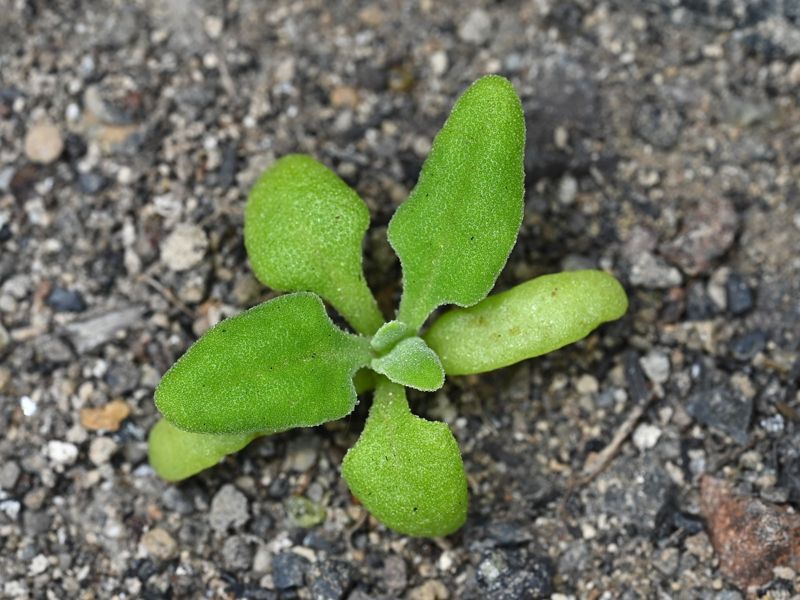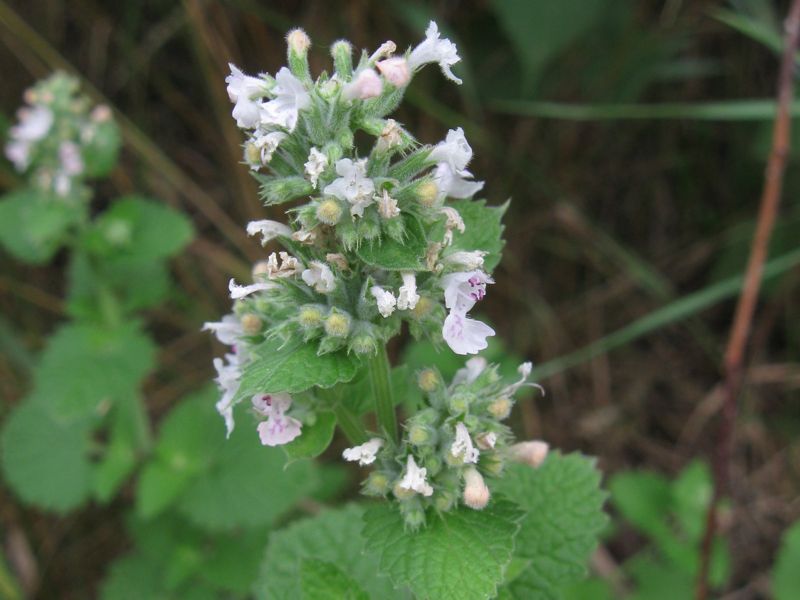
Overview
Famous for its euphoric effect on cats, catnip is actually a gentle, soothing herb for humans with a long history as a calming tea. The compound nepetalactone that drives cats wild is also a potent natural insect repellent — research has shown it to be ten times more effective than DEET against mosquitoes. This easy-growing mint-family herb self-seeds freely and attracts beneficial pollinators.
Growing Conditions
How to Grow Catnip
Catnip (Nepeta cataria) is a forb/herb that grows to about 11 inches tall and 2.5 feet wide.
Catnip is hardy across USDA hardiness zones 3–9. Plant it in average, well-drained soil; drought-tolerant once established, at a slightly acidic pH of 6–7.5.
Exact sowing, transplanting, and harvest months shift by climate zone — the planting calendar below lays them out for cool through hot regions. Its flowers appear from June through September, offering high value to pollinators. Let a few flowers go by unpicked; the bees will thank you, and so will next season.
Companion Planting & Soil
Catnip grows well alongside squash, collard greens, beet, and pumpkin.
Good Companions
Planting Calendar
When to sow, transplant, and harvest by growing zone.
| Zone | Action | Months | Notes |
|---|---|---|---|
| Cold (1-2) | Direct Sow | May — Jun | Direct sow after last frost; perennial to zone 3 |
| Cold (1-2) | Harvest | Jun — Aug | Harvest stems when flowers begin to open; dry for cat toys |
| Cool (3-4) | Direct Sow | Apr — May | Direct sow in spring; spreads by seed and root |
| Cool (3-4) | Harvest | May — Sep | Cut stems at flowering; hang dry in bundles |
| Moderate (5-7) | Transplant | Mar — Apr | Transplant in spring; can become invasive — contain or deadhead |
| Moderate (5-7) | Harvest | Apr — Oct | Harvest at flowering; second cut often possible |
| Moderate (5-7) | Divide | Mar — Apr | Divide clumps every 3 years in early spring |
| Warm (8-9) | Transplant | Feb — Mar | Plant in early spring |
| Warm (8-9) | Harvest | Mar — Nov | Harvest multiple times per season |
| Hot (10+) | Transplant | Nov — Dec | Plant in fall; part shade in hot zones |
| Hot (10+) | Harvest | Jan — Dec | Harvest as needed year-round |
Uses
In the Kitchen
In the kitchen, catnip turns up in more than one form: mild tea with a minty, slightly lemony flavor; young leaves added sparingly to salads.
Medicinal & Folk Use
In herbal and folk tradition, it has been valued in several ways: gentle sedative tea for insomnia and anxiety; traditional remedy for colic and digestive upset in children; febrifuge used historically to reduce fevers. These are traditional uses, not medical advice.
Beyond the Garden
Catnip earns its keep past the plate, too: natural mosquito and insect repellent (nepetalactone); enrichment for domestic cats; attracts beneficial lacewings and parasitic wasps.
Safety Notes
Avoid medicinal quantities during pregnancy (a traditional emmenagogue). Delightful and harmless to cats in normal garden amounts.
The Field Library
Books from the Futurespore shelf that go deeper on plants like this one.
- Northeast Foraging region-tuned wild food guidance with clear lookalike warnings
- Braiding Sweetgrass reframes growing and gathering as a relationship of reciprocity
These are Bookshop.org affiliate links — they support independent bookstores and earn Futurespore a small commission at no extra cost to you. Browse the full Futurespore Bookshelf.