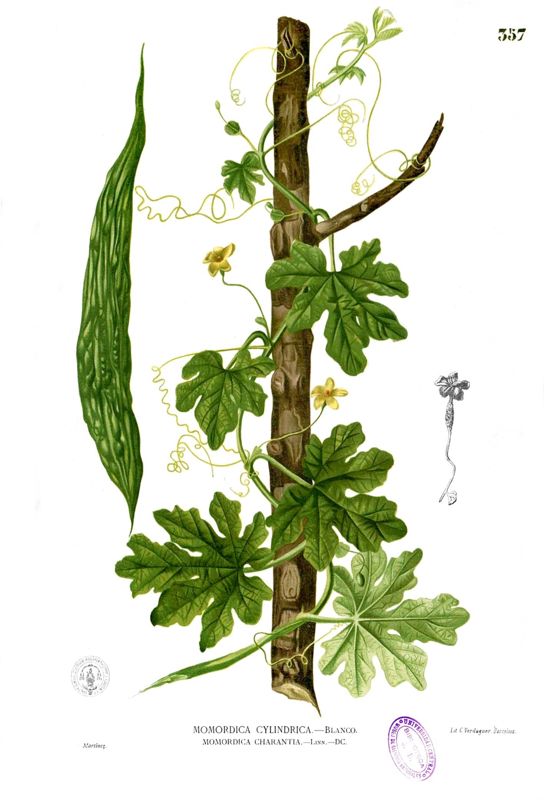
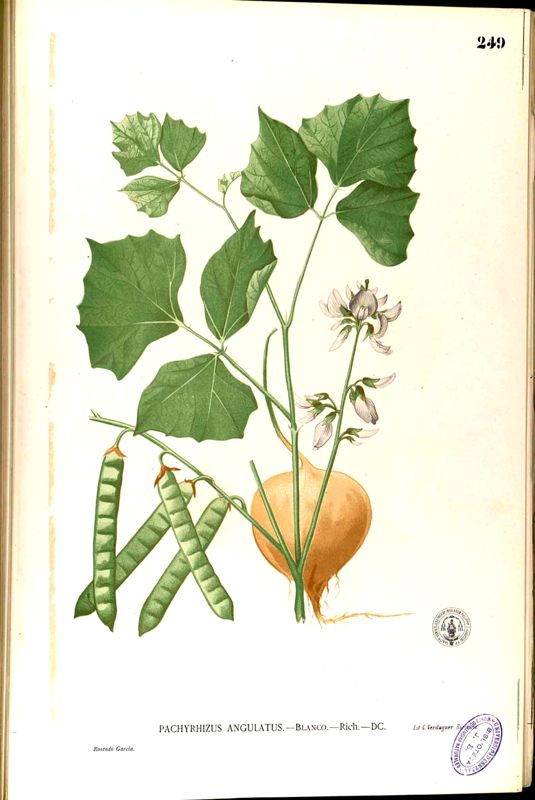
 Francisco Manuel Blanco (O.S.A.) / Public domain · Source
Jicama
Pachyrhizus erosus
Overview
A tropical legume grown for its crisp, sweet, starchy root that is a staple of Mexican cuisine. Jicama's water-chestnut-like crunch and mild, slightly sweet flavor make it perfect for raw preparations — it stays crisp even when dressed or cooked. Only the root is edible; the seeds, leaves, and vines contain rotenone and are toxic.
Growing Conditions
How to Grow Jicama
Jicama (Pachyrhizus erosus) is a vine that grows to about 16 feet tall and 12 inches wide.
To grow jicama, give it shade or dappled light. It is hardy across USDA hardiness zones 10–12. Plant it in deep, loose, sandy, well-drained soil, at a slightly acidic pH of 5.5–6.5. It does best with even, moderate watering.
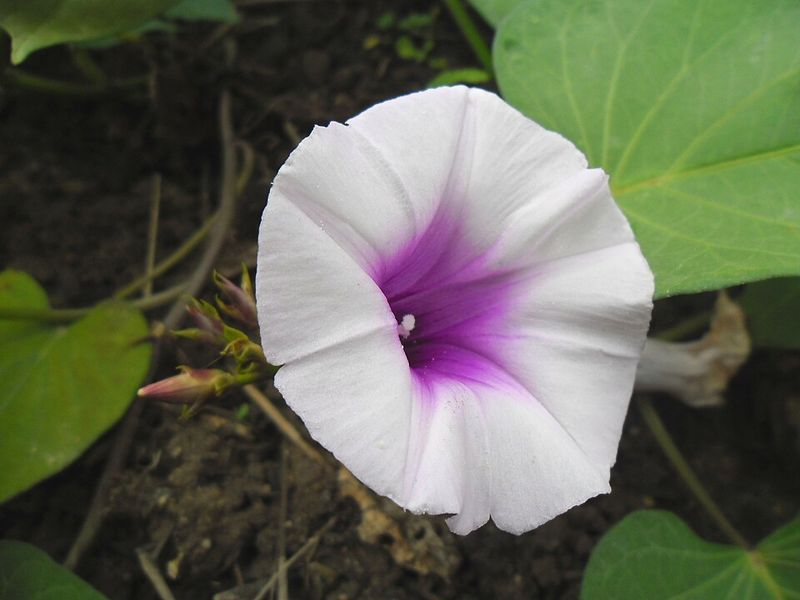
Exact sowing, transplanting, and harvest months shift by climate zone — the planting calendar below lays them out for cool through hot regions. Its flowers appear from April through July, offering high value to pollinators. Let a few flowers go by unpicked; the bees will thank you, and so will next season.
Companion Planting & Soil
Jicama grows well alongside corn, squash, and bean.
Good Companions
Planting Calendar
When to sow, transplant, and harvest by growing zone.
| Zone | Action | Months | Notes |
|---|---|---|---|
| Cold (1-2) | Start Indoors | Feb — Mar | Start indoors 8-10 weeks early; needs 150+ frost-free days; annual vine |
| Cold (1-2) | Transplant | Jun — Jun | Transplant after all frost; marginal in cold zones — needs very long season |
| Cold (1-2) | Harvest | Sep — Oct | Harvest before first frost; tubers may be small in short seasons |
| Cool (3-4) | Start Indoors | Jan — Feb | Start indoors early; needs long warm season |
| Cool (3-4) | Transplant | May — Jun | Transplant after last frost; pinch flowers to direct energy to root |
| Cool (3-4) | Harvest | Sep — Oct | Dig before frost; ONLY eat tuber — all other plant parts are toxic |
| Moderate (5-7) | Start Indoors | Feb — Mar | Start indoors 8 weeks early; transplant after soil warms |
| Moderate (5-7) | Transplant | Apr — May | Transplant when soil is warm; needs 9 months ideally |
| Moderate (5-7) | Harvest | Oct — Nov | Harvest before hard frost; roots improve with longer season |
| Warm (8-9) | Direct Sow | Mar — Apr | Direct sow in spring; vine grows vigorously — provide support |
| Warm (8-9) | Harvest | Oct — Dec | Harvest in fall; crisp, sweet, juicy roots |
| Hot (10+) | Direct Sow | Feb — Mar | Direct sow in early spring; thrives in tropical heat |
| Hot (10+) | Harvest | Oct — Dec | Harvest in late fall for largest tubers |
Uses
In the Kitchen
In the kitchen, jicama turns up in more than one form: sliced raw with lime, chili, and salt; julienned in slaws and salads for crunch; added to stir-fries and spring rolls.
Medicinal & Folk Use
In herbal and folk tradition, it has been valued in several ways: rich in prebiotic inulin fiber for gut health; good source of vitamin C and potassium; low-calorie, hydrating snack. These are traditional uses, not medical advice.
Beyond the Garden
Jicama earns its keep past the plate, too: nitrogen-fixing legume vine.
Safety Notes
Only the tuber is food. Jicama seeds, pods, leaves and vines contain rotenone and are genuinely poisonous — worth knowing if you grow it, because the pods look like edible beans.
The Field Library
Books from the Futurespore shelf that go deeper on plants like this one.
- Northeast Foraging region-tuned wild food guidance with clear lookalike warnings
- Braiding Sweetgrass reframes growing and gathering as a relationship of reciprocity
These are Bookshop.org affiliate links — they support independent bookstores and earn Futurespore a small commission at no extra cost to you. Browse the full Futurespore Bookshelf.