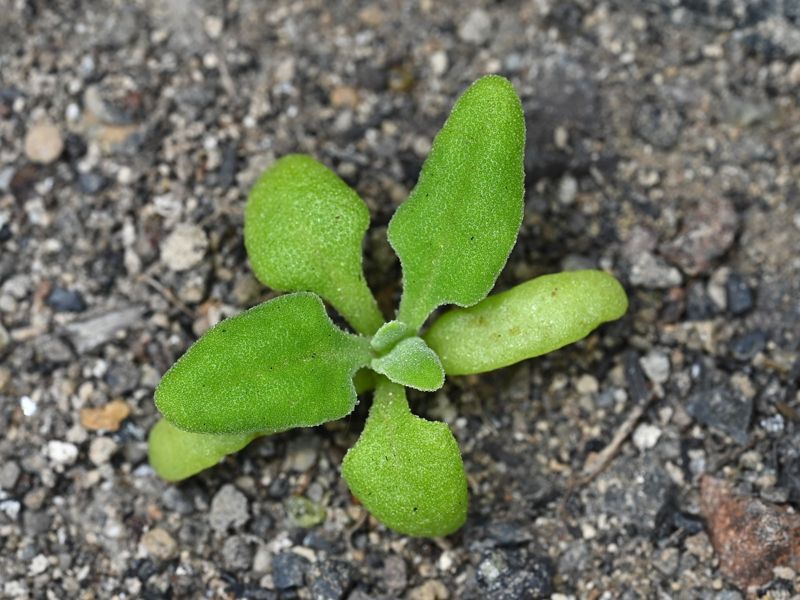
 Krzysztof Ziarnek, Kenraiz / CC BY 4.0 · Source
New zealand spinach
Tetragonia tetragonioides
Overview
Not a true spinach but a heat-tolerant alternative that produces succulent, triangular leaves throughout the hottest months when regular spinach has long bolted. This coastal plant from New Zealand and Australia was collected by Captain Cook's crew as a scurvy preventive. Its waxy leaves are more succulent than spinach and thrive in conditions too hot and dry for conventional greens.
Mentioned in The Mycelial Grimoire
Posts on the Grimoire that reference New zealand spinach.
Growing Conditions
How to Grow New zealand spinach
New zealand spinach (Tetragonia tetragonioides) is a forb/herb that grows to about 8 inches tall and 3 feet wide.
To grow new zealand spinach, give it full sun. It is hardy across USDA hardiness zones 9–13. Plant it in sandy, well-drained soil; drought-tolerant once established, at a slightly acidic pH of 6–7.5. It does best with even, moderate watering.
Exact sowing, transplanting, and harvest months shift by climate zone — the planting calendar below lays them out for cool through hot regions. Its flowers appear from April through July, offering moderate value to pollinators. Give it a season to establish, and it carries itself through the dry stretches.
Companion Planting & Soil
New zealand spinach grows well alongside tomato, corn, and squash.
Good Companions
Planting Calendar
When to sow, transplant, and harvest by growing zone.
| Zone | Action | Months | Notes |
|---|---|---|---|
| Cold (1-2) | Start Indoors | Apr — May | Start indoors 3-4 weeks early; soak seeds 24 hours; not true spinach |
| Cold (1-2) | Transplant | Jun — Jun | Transplant after all frost; thrives in heat unlike regular spinach |
| Cold (1-2) | Harvest | Jul — Sep | Pinch tender shoot tips 3-4" long; promotes branching |
| Cool (3-4) | Direct Sow | May — Jun | Direct sow after last frost; soak seeds overnight |
| Cool (3-4) | Harvest | Jun — Oct | Harvest shoot tips regularly; plants get bushier with cutting |
| Moderate (5-7) | Direct Sow | Apr — Jun | Sow after frost; sprawling habit — space 12" apart |
| Moderate (5-7) | Harvest | May — Oct | Cut-and-come-again through summer; does not bolt |
| Warm (8-9) | Direct Sow | Mar — May | Sow in spring; excellent hot-weather spinach substitute |
| Warm (8-9) | Harvest | Apr — Nov | Harvest all season; tolerates heat that kills true spinach |
| Hot (10+) | Direct Sow | Feb — Apr | Sow in early spring; heat-loving ground cover |
| Hot (10+) | Harvest | Mar — Nov | Long harvest season; drought tolerant once established |
Uses
In the Kitchen
In the kitchen, new zealand spinach turns up in more than one form: cooked like spinach — sautéed, steamed, or in quiche; young leaves raw in salads; heat-stable for summer cooking when spinach is unavailable.
Medicinal & Folk Use
In herbal and folk tradition, it has been valued in several ways: rich in vitamins A and C; good source of iron and calcium; anti-scorbutic — historically used to prevent scurvy. These are traditional uses, not medical advice.
Beyond the Garden
New zealand spinach earns its keep past the plate, too: heat-tolerant ground cover between taller crops; drought-resistant edible landscaping.
Safety Notes
Blanch or cook the leaves before eating; like spinach and chard it is high in oxalates, and blanching for a minute discards most of them with the water.
The Field Library
Books from the Futurespore shelf that go deeper on plants like this one.
- Northeast Foraging region-tuned wild food guidance with clear lookalike warnings
- Braiding Sweetgrass reframes growing and gathering as a relationship of reciprocity
These are Bookshop.org affiliate links — they support independent bookstores and earn Futurespore a small commission at no extra cost to you. Browse the full Futurespore Bookshelf.