 Andra Waagmeester / CC0 · Source
Cassava
Manihot esculenta
Overview
The starchy tuberous root that feeds over 800 million people worldwide, cassava is the third-largest source of calories in the tropics after rice and corn. Also known as yuca, manioc, or tapioca plant, it is remarkably drought-tolerant and productive in poor soils where other crops fail. Raw cassava must always be properly processed to remove naturally occurring cyanogenic compounds.
Growing Conditions
How to Grow Cassava
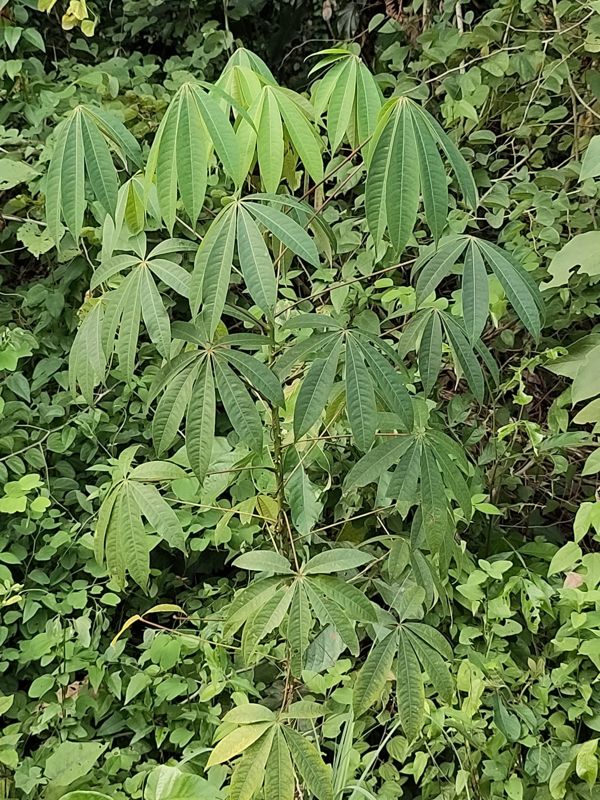
Cassava (Manihot esculenta) is a perennial shrub that grows to about 10 feet tall and 10 feet wide.
To grow cassava, give it full sun. It is hardy across USDA hardiness zones 9a–13. Plant it in light, well-drained, sandy or loamy soil, at a slightly acidic pH of 5.5–6.5. It does best with even, moderate watering.
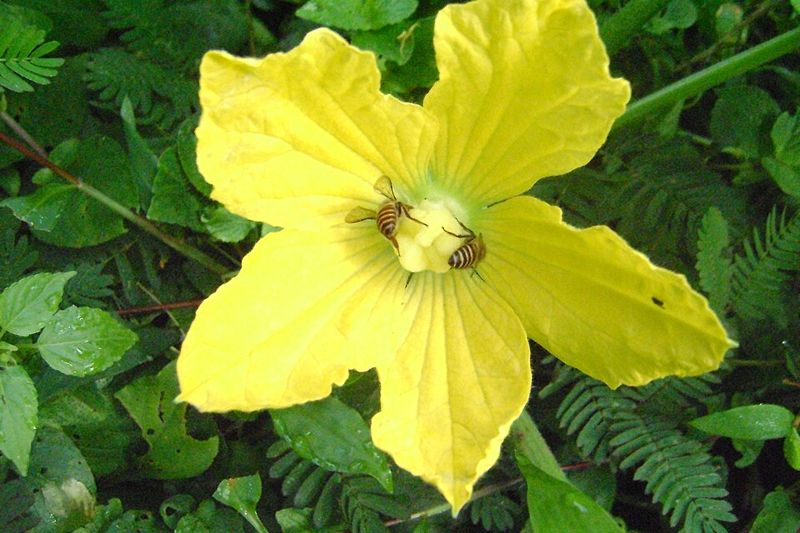
In practice, plant out cassava April to May in warm zones and March to May in hot zones. Harvest comes October to December in warm zones and September to December in hot zones. Its green flowers appear from May through September, offering high value to pollinators. Settle it in its first year, and drought becomes its problem to solve, not yours.
Companion Planting & Soil
Cassava grows well alongside bean, corn, peanut, and sweet potato.
Good Companions
Planting Calendar
When to sow, transplant, and harvest by growing zone.
| Zone | Action | Months | Notes |
|---|---|---|---|
| Warm (8-9) | Transplant | Apr — May | Plant stem cuttings 6-8" long at 45° angle; frost-free season of 8+ months required |
| Warm (8-9) | Harvest | Oct — Dec | Harvest roots 8-12 months after planting; peel and cook immediately — raw roots contain cyanide |
| Hot (10+) | Transplant | Mar — May | Plant cuttings in spring; full sun; tolerates poor soil and drought once established |
| Hot (10+) | Harvest | Sep — Dec | Dig roots as needed; sweet varieties can be boiled directly; bitter varieties need processing |
Uses
In the Kitchen
In the kitchen, cassava turns up in more than one form: boiled, fried, or mashed like potatoes; processed into tapioca pearls and flour; fermented into garri and fufu in West African cuisine.
Medicinal & Folk Use
In herbal and folk tradition, it has been valued in several ways: resistant starch supports gut microbiome health; starchy root provides sustained energy; leaf extract traditionally used for headaches in tropical medicine. These are traditional uses, not medical advice.
Beyond the Garden
Cassava earns its keep past the plate, too: biofuel feedstock in tropical regions; starch used in industrial adhesives and textiles; drought-resilient food security crop.
Safety Notes
Never eat cassava raw. Roots and leaves contain cyanogenic glycosides that release hydrogen cyanide; bitter varieties in particular must be peeled, grated, soaked or fermented and then cooked through. Inadequate processing causes acute poisoning and, with sustained exposure, the irreversible paralysis known as konzo. Traditional preparations such as garri and fufu exist precisely because the processing is necessary.
The Field Library
Books from the Futurespore shelf that go deeper on plants like this one.
- The Modern Herbal Dispensatory a working reference for tinctures, salves, and doses once you get serious
- Edible Wild Plants a photographic guide organized by season — good for checking an ID twice in the field
- The Resilient Gardener growing staple food through drought, flood, and hard seasons
These are Bookshop.org affiliate links — they support independent bookstores and earn Futurespore a small commission at no extra cost to you. Browse the full Futurespore Bookshelf.