Ground cherryWhen to plant, zone by zone
Overview
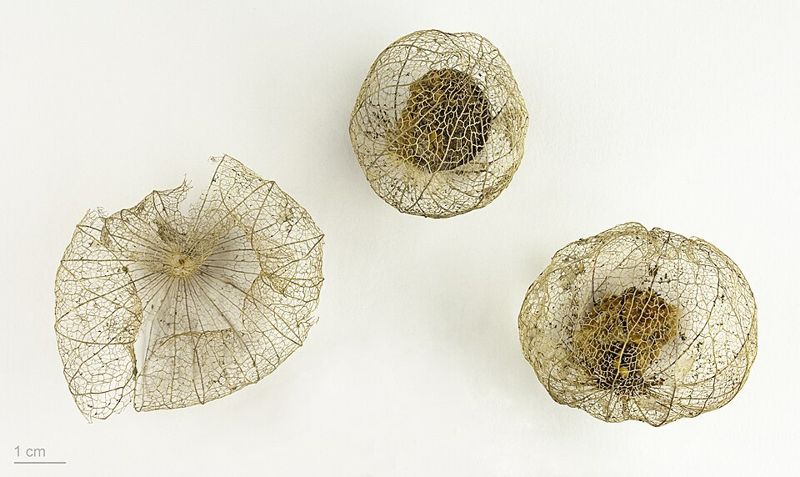
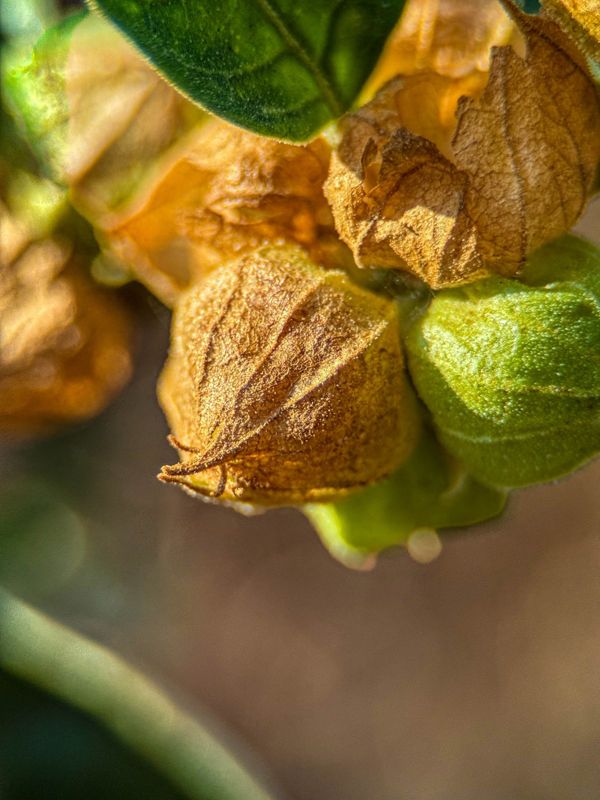
A native relative of the tomatillo that produces small, sweet, tropical-tasting fruits enclosed in papery husks. Ground cherries (Physalis pruinosa) taste like a cross between pineapple, mango, and vanilla — an unexpected flavor from a cold-climate plant. They self-seed enthusiastically and are beginning to gain recognition as a potential commercial fruit crop.
How to Grow Ground cherry
Plant it in well-drained, moderately fertile soil; tolerates poor soils, at a slightly acidic pH of 6–6.8.
Exact sowing, transplanting, and harvest months shift by climate zone — the planting calendar below lays them out for cool through hot regions. The details above are a starting point — your ground will teach you the rest.
Companion Planting & Soil
Ground cherry grows well alongside basil, parsley, carrot, and marigold — but keep it clear of fennel and walnut.
Good Companions
Avoid Planting Near
Planting Calendar
When to sow, transplant, and harvest by growing zone.
| Zone | Action | Months | Notes |
|---|---|---|---|
| Cold (1-2) | Start Indoors | Feb — Mar | Start indoors 8-10 weeks before last frost; slow to establish |
| Cold (1-2) | Transplant | Jun — Jun | Transplant after all frost danger passes |
| Cold (1-2) | Harvest | Aug — Sep | Harvest when husks turn tan and fruit drops; collect from ground |
| Cool (3-4) | Start Indoors | Feb — Mar | Start indoors 8-10 weeks before last frost |
| Cool (3-4) | Transplant | May — Jun | Transplant after last frost; sprawling habit |
| Cool (3-4) | Harvest | Aug — Oct | Ripe when husks are papery and fruit drops |
| Moderate (5-7) | Start Indoors | Jan — Feb | Start indoors 8-10 weeks early; germinates slowly |
| Moderate (5-7) | Transplant | Apr — May | Transplant when frost danger passes |
| Moderate (5-7) | Harvest | Jul — Oct | Collect fallen fruit daily; ripe when golden in papery husk |
| Warm (8-9) | Transplant | Mar — Apr | Transplant in spring; self-sows in subsequent years |
| Warm (8-9) | Harvest | Jun — Sep | Harvest fallen fruit; 70-80 days from transplant |
| Hot (10+) | Transplant | Feb — Mar | Transplant in late winter/early spring |
| Hot (10+) | Harvest | May — Jul | Harvest before extreme summer heat |
Ground cherry Questions
When should you plant Ground cherry?
Cold (1-2) — start indoors February–March, transplant June–June; Cool (3-4) — start indoors February–March, transplant May–June; Moderate (5-7) — start indoors January–February, transplant April–May; Warm (8-9) — transplant March–April; Hot (10+) — transplant February–March. Shift these with your own last-frost date; the full table sits in the planting calendar below.
When is Ground cherry ready to harvest?
Cold (1-2) — August–September; Cool (3-4) — August–October; Moderate (5-7) — July–October; Warm (8-9) — June–September; Hot (10+) — May–July.
Is Ground cherry edible?
Yes — edible parts: Ripe fruit only. Read the safety notes on this page before eating any part of it.
What grows well with Ground cherry?
Basil, Parsley, Carrot, and Marigold. Keep it away from Fennel and Walnut.
Uses
In the Kitchen
In the kitchen, ground cherry turns up in more than one form: fresh eating as a sweet snack; jams, pies, and preserves; dried into golden raisin-like treats.
Medicinal & Folk Use
In herbal and folk tradition, it has been valued in several ways: rich in vitamin A, C, and B-complex vitamins; contains withanolides with potential anti-inflammatory properties. These are traditional uses, not medical advice.
Beyond the Garden
Ground cherry earns its keep past the plate, too: self-seeding annual that returns year after year; interesting conversation plant for adventurous gardeners.
Safety Notes
Ripe fruit only. Unripe green fruit, the husk, leaves and stems contain solanine and will make you ill — this is a nightshade. The fruit is ready when the husk has dried to paper and the berry inside has turned gold; green ones are not.
The Field Library
Books from the Futurespore shelf that go deeper on plants like this one.
- Gaia's Garden home-scale permaculture — guilds, food forests, and beds that tend themselves
- The Resilient Gardener growing staple food through drought, flood, and hard seasons
These are Bookshop.org affiliate links — they support independent bookstores and earn Futurespore a small commission at no extra cost to you. Browse the full Futurespore Bookshelf.