 Roger Culos / CC BY-SA 3.0 · Source
Tomatillo
Physalis philadelphica
Overview
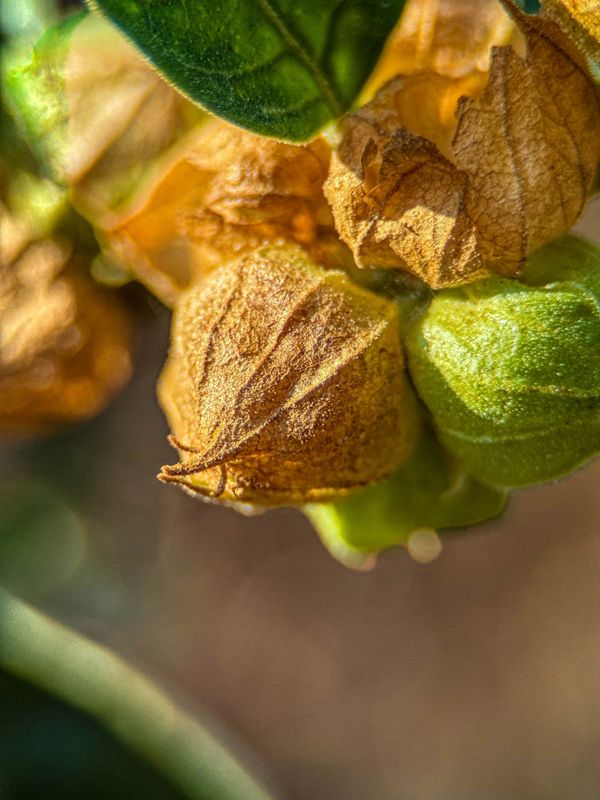
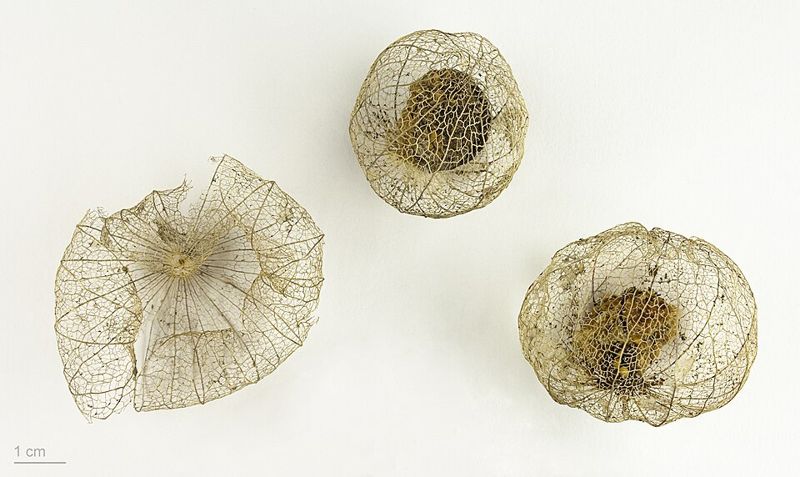
The tangy, citrusy fruit inside a papery husk that is the essential ingredient in Mexican green salsa (salsa verde). Tomatillos are related to tomatoes but have a distinctly sharp, bright flavor that is completely their own. They are easier to grow than tomatoes, less susceptible to disease, and incredibly productive — but they need at least two plants for cross-pollination.
Growing Conditions
How to Grow Tomatillo
Tomatillo (Physalis philadelphica) is a forb/herb that grows to about 3 feet tall and 2 feet wide.
To grow tomatillo, give it full sun. It is hardy across USDA hardiness zones 4–11. Plant it in well-drained, moderately fertile, warm soil, at a slightly acidic pH of 5.5–7. It does best with even, moderate watering.
Exact sowing, transplanting, and harvest months shift by climate zone — the planting calendar below lays them out for cool through hot regions. Its flowers appear from June through October, offering high value to pollinators. Let a few flowers go by unpicked; the bees will thank you, and so will next season.
Companion Planting & Soil
Tomatillo grows well alongside basil, parsley, carrot, marigold, and nasturtium — but keep it clear of fennel, dill, and walnut.
Good Companions
Avoid Planting Near
Planting Calendar
When to sow, transplant, and harvest by growing zone.
| Zone | Action | Months | Notes |
|---|---|---|---|
| Cold (1-2) | Start Indoors | Mar — Apr | Start indoors 6-8 weeks before last frost; needs 2 plants for pollination |
| Cold (1-2) | Transplant | Jun — Jun | Transplant after all frost danger; plant 2+ for cross-pollination |
| Cold (1-2) | Harvest | Aug — Sep | Harvest when husk splits and fruit fills it; green or purple |
| Cool (3-4) | Start Indoors | Feb — Mar | Start indoors 6-8 weeks before transplant |
| Cool (3-4) | Transplant | May — Jun | Transplant after last frost; stake or cage plants |
| Cool (3-4) | Harvest | Jul — Sep | Harvest when husks split open; fruit should be firm |
| Moderate (5-7) | Transplant | Apr — May | Transplant when nighttime temps stay above 50°F |
| Moderate (5-7) | Harvest | Jul — Oct | Harvest when husks split; 75-100 days from transplant |
| Warm (8-9) | Direct Sow | Mar — Apr | Direct sow or transplant in spring; self-sows readily |
| Warm (8-9) | Harvest | Jun — Sep | Harvest when husks are papery and split |
| Hot (10+) | Direct Sow | Feb — Mar | Direct sow in early spring |
| Hot (10+) | Harvest | May — Jul | Harvest before extreme heat |
Uses
In the Kitchen
In the kitchen, tomatillo turns up in more than one form: essential for salsa verde and green enchilada sauce; roasted with peppers for smoky salsas; added to soups, stews, and pozole.
Medicinal & Folk Use
In herbal and folk tradition, it has been valued in several ways: rich in withanolides with anti-inflammatory properties; good source of vitamins C and K; contains niacin and potassium. These are traditional uses, not medical advice.
Beyond the Garden
Tomatillo earns its keep past the plate, too: easier to grow and more disease-resistant than tomatoes; self-seeding annual that returns in mild climates.
Safety Notes
Unripe fruit and the papery husk should not be eaten. All parts except ripe fruit are toxic (nightshade family).
The Field Library
Books from the Futurespore shelf that go deeper on plants like this one.
- Medicinal Herbs: A Beginner's Guide the friendliest on-ramp to growing and using healing herbs at home
- Northeast Foraging region-tuned wild food guidance with clear lookalike warnings
- Braiding Sweetgrass reframes growing and gathering as a relationship of reciprocity
These are Bookshop.org affiliate links — they support independent bookstores and earn Futurespore a small commission at no extra cost to you. Browse the full Futurespore Bookshelf.