Overview
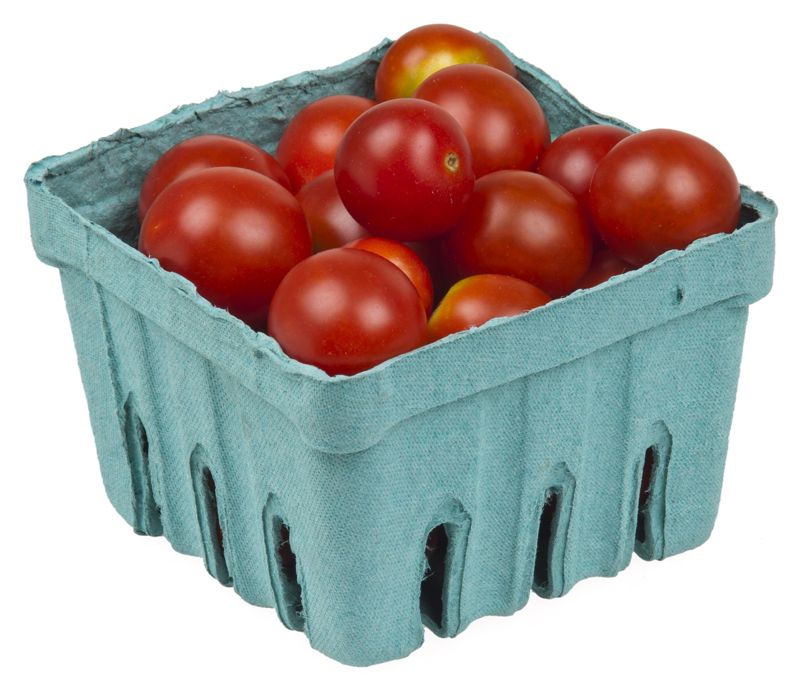
The world's most-grown garden vegetable (technically a fruit), tomatoes are a high-reward, intermediate-skill crop. Heirloom varieties offer unmatched flavor; hybrid varieties offer disease resistance and consistency. Consistent watering is critical — irregular moisture causes cracking and blossom end rot.
Mentioned in The Mycelial Grimoire
Posts on the Grimoire that reference Tomato.
Growing Conditions
How to Grow Tomato
Tomato (Solanum lycopersicum) is a vining annual (indeterminate) or bushy (determinate) that grows to about 7 feet tall and 2 feet wide.
To grow tomato, give it full sun. It is hardy across USDA hardiness zones 2–11. Plant it in deep, rich loam with high organic matter; consistent moisture, at a slightly acidic pH of 6–6.8. It does best with even, moderate watering.
Exact sowing, transplanting, and harvest months shift by climate zone — the planting calendar below lays them out for cool through hot regions. Its yellow flowers appear from May through September, offering moderate value to pollinators. One season is all it asks — sow it, tend it, and let it go.
Companion Planting & Soil
Tomato grows well alongside basil, marigold, carrot, onion, parsley, and nasturtium — but keep it clear of brassicas, fennel, potato, and corn.
Good Companions
Avoid Planting Near
Planting Calendar
When to sow, transplant, and harvest by growing zone.
| Zone | Action | Months | Notes |
|---|---|---|---|
| Cold (1-2) | Start Indoors | Mar — Apr | Start 6-8 weeks before last frost; harden off 1 week before transplant |
| Cold (1-2) | Transplant | Jun — Jun | Plant deep — bury 2/3 of stem; mulch heavily |
| Cold (1-2) | Harvest | Aug — Oct | Pick when fully colored but still firm; ripen on counter, not fridge |
| Cool (3-4) | Start Indoors | Feb — Mar | Start under lights with bottom heat |
| Cool (3-4) | Transplant | May — Jun | Wait for soil to reach 60°F; protect from late frost |
| Cool (3-4) | Harvest | Jul — Oct | Pick regularly to encourage continued production |
| Moderate (5-7) | Transplant | Apr — May | Stake or cage at planting; consistent water prevents blossom end rot |
| Moderate (5-7) | Harvest | Jul — Oct | Determinate types ripen at once; indeterminate produce until frost |
| Warm (8-9) | Direct Sow | Feb — Mar | Sow directly once soil is reliably warm |
| Warm (8-9) | Transplant | Feb — Mar | Transplant in early spring; provide afternoon shade in peak heat |
| Warm (8-9) | Harvest | Jun — Nov | Long harvest season; protect from sun-scald in peak summer |
| Hot (10+) | Transplant | Jan — Feb | Plant in winter for spring harvest; second crop in fall |
| Hot (10+) | Harvest | Apr — Jul | Spring harvest; fall harvest from late-planted second crop |
Uses
In the Kitchen
In the kitchen, tomato turns up in more than one form: fresh in salads, sandwiches, and salsas; sauce, paste, and juice for cooking; sun-dried or oven-roasted for concentrated flavor.
Medicinal & Folk Use
In herbal and folk tradition: rich source of lycopene, a powerful antioxidant linked to cardiovascular health. These are traditional uses, not medical advice.
Beyond the Garden
Tomato earns its keep past the plate, too: save heirloom seeds by fermenting pulp for 3 days, then rinsing and drying.
Safety Notes
Leaves, stems, and unripe fruit contain solanine and tomatine — not for consumption.
The Field Library
Books from the Futurespore shelf that go deeper on plants like this one.
- The Forager's Harvest identification, harvest windows, and preparation from someone who eats what he teaches
- Gaia's Garden home-scale permaculture — guilds, food forests, and beds that tend themselves
These are Bookshop.org affiliate links — they support independent bookstores and earn Futurespore a small commission at no extra cost to you. Browse the full Futurespore Bookshelf.