Celosia
Celosia argentea
Overview
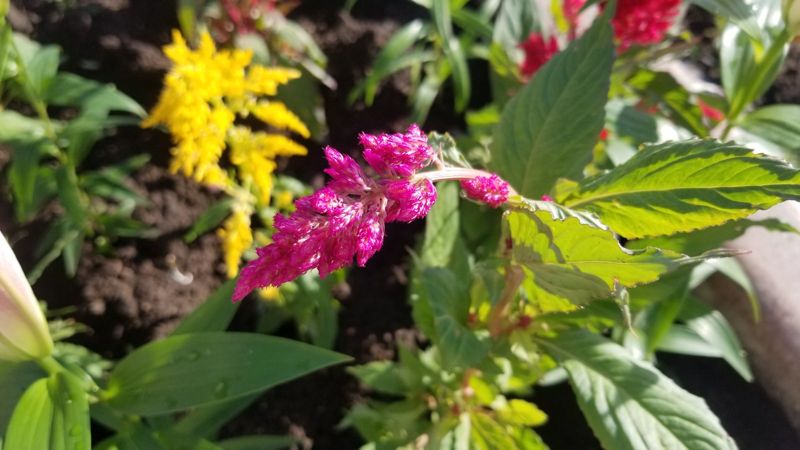
Tropical annual whose blooms come in extraordinary forms — feathery plumes, crested brain-like shapes, and spiky wheat-like spires in electric reds, oranges, pinks, and yellows. Celosia's vivid, long-lasting flowers keep their color for weeks in the garden and dry beautifully for permanent arrangements. In West Africa and Southeast Asia, the leaves and young flowers are eaten as a nutritious green.
How to Grow Celosia
Plant it in rich, well-drained soil with consistent moisture, at a slightly acidic pH of 6–7.
Exact sowing, transplanting, and harvest months shift by climate zone — the planting calendar below lays them out for cool through hot regions. Match it to the right spot, and the rest is mostly patience.
Companion Planting & Soil
Celosia grows well alongside marigold, zinnia, basil, and cosmos.
Good Companions
Planting Calendar
When to sow, transplant, and harvest by growing zone.
| Zone | Action | Months | Notes |
|---|---|---|---|
| Cold (1-2) | Start Indoors | Mar — Apr | Start indoors 6-8 weeks before last frost; needs warmth to germinate |
| Cold (1-2) | Transplant | Jun — Jun | Transplant after all frost danger; do not let roots get potbound |
| Cold (1-2) | Harvest | Jul — Sep | Cut flowers for drying; colors hold well; harvest before frost |
| Cool (3-4) | Start Indoors | Mar — Apr | Start indoors 6 weeks before last frost |
| Cool (3-4) | Transplant | May — Jun | Transplant after last frost; thrives in heat |
| Cool (3-4) | Harvest | Jun — Oct | Cut stems for drying; hang upside down in dark area |
| Moderate (5-7) | Transplant | Apr — May | Transplant when nighttime temps stay above 55°F |
| Moderate (5-7) | Harvest | Jun — Oct | Harvest plume or cockscomb types for fresh or dried arrangements |
| Warm (8-9) | Direct Sow | Mar — May | Direct sow in spring; loves hot weather |
| Warm (8-9) | Harvest | May — Oct | Long bloom season; harvest regularly |
| Hot (10+) | Direct Sow | Feb — Apr | Direct sow in spring; excels in heat |
| Hot (10+) | Harvest | Apr — Nov | Excellent in hot climates; long bloom season |
Uses
In the Kitchen
In the kitchen, celosia turns up in more than one form: leaves cooked as a spinach substitute in West African cuisine; young flowers added to salads and stir-fries.
Beyond the Garden
Celosia earns its keep past the plate, too: outstanding dried flower that retains color indefinitely; dramatic bedding and container plant; cut flower for long-lasting bouquets.
The Field Library
Books from the Futurespore shelf that go deeper on plants like this one.
- The Forager's Harvest identification, harvest windows, and preparation from someone who eats what he teaches
- Gaia's Garden home-scale permaculture — guilds, food forests, and beds that tend themselves
These are Bookshop.org affiliate links — they support independent bookstores and earn Futurespore a small commission at no extra cost to you. Browse the full Futurespore Bookshelf.