Overview
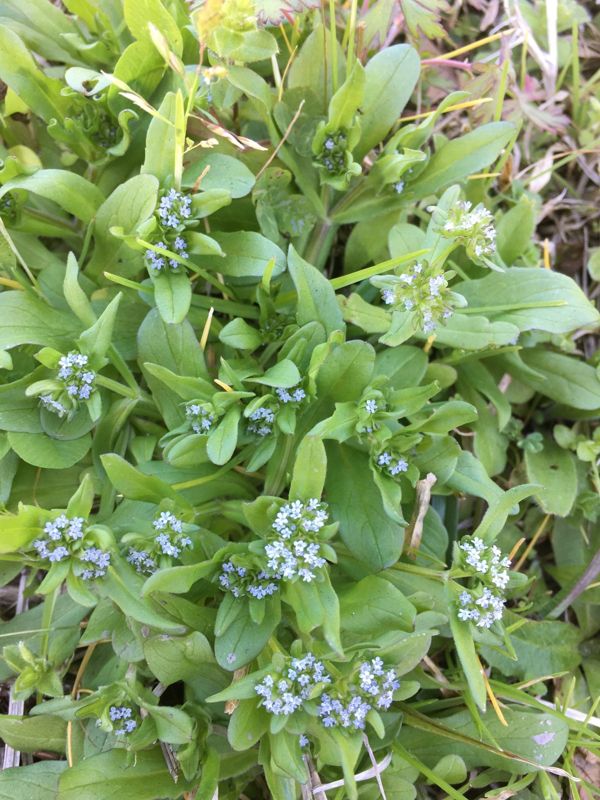
Also called corn salad or lamb's lettuce, mâche is a tiny, rosette-forming salad green with a mild, nutty flavor prized in French cuisine. It is one of the most cold-hardy salad greens, thriving in conditions too cold for lettuce and even growing under snow. Its small, tender leaves are the perfect base for elegant winter salads.
How to Grow Mache
Plant it in moist, fertile, well-drained soil; tolerates clay, at a slightly acidic pH of 6–7.
Exact sowing, transplanting, and harvest months shift by climate zone — the planting calendar below lays them out for cool through hot regions. Give it what it asks for here, and it will find its place in the garden.
Companion Planting & Soil
Mache grows well alongside onion, carrot, radish, and lettuce.
Good Companions
Planting Calendar
When to sow, transplant, and harvest by growing zone.
| Zone | Action | Months | Notes |
|---|---|---|---|
| Cold (1-2) | Direct Sow | Apr — May | Direct sow in early spring; one of the hardiest salad greens |
| Cold (1-2) | Direct Sow | Aug — Aug | Late summer sow for fall/winter harvest under row cover |
| Cold (1-2) | Harvest | May — Jun | Harvest whole rosettes; mild nutty flavor |
| Cold (1-2) | Harvest | Oct — Nov | Fall harvest from summer sowing; survives frost |
| Cool (3-4) | Direct Sow | Mar — Apr | Sow in early spring; tiny rosettes mature in 45-60 days |
| Cool (3-4) | Direct Sow | Aug — Sep | Fall sow; overwinters under mulch in many areas |
| Cool (3-4) | Harvest | Apr — Jun | Cut rosettes at soil level; harvest before bolting |
| Cool (3-4) | Harvest | Oct — Dec | Fall/winter harvest |
| Moderate (5-7) | Direct Sow | Sep — Oct | Fall sow for winter/spring harvest; survives to 5°F |
| Moderate (5-7) | Harvest | Nov — Mar (wraps) | Winter through early spring harvest |
| Warm (8-9) | Direct Sow | Oct — Nov | Fall sow for winter salads; bolts in spring warmth |
| Warm (8-9) | Harvest | Dec — Feb (wraps) | Winter harvest |
| Hot (10+) | Direct Sow | Nov — Dec | Winter crop only; very cold-hardy but heat-intolerant |
| Hot (10+) | Harvest | Dec — Feb (wraps) | Cool-season harvest |
Uses
In the Kitchen
In the kitchen, mache turns up in more than one form: delicate salad green in French bistro salads; wilted briefly as a warm side green; combined with beets, walnuts, and goat cheese.
Medicinal & Folk Use
In herbal and folk tradition, it has been valued in several ways: rich in iron and vitamin C for blood health; good source of omega-3 fatty acids (rare for a leafy green); vitamin A for eye and skin health. These are traditional uses, not medical advice.
Beyond the Garden
Mache earns its keep past the plate, too: winter and early spring salad crop for cold frames and tunnels.
The Field Library
Books from the Futurespore shelf that go deeper on plants like this one.
- Northeast Foraging region-tuned wild food guidance with clear lookalike warnings
- Braiding Sweetgrass reframes growing and gathering as a relationship of reciprocity
These are Bookshop.org affiliate links — they support independent bookstores and earn Futurespore a small commission at no extra cost to you. Browse the full Futurespore Bookshelf.