Overview
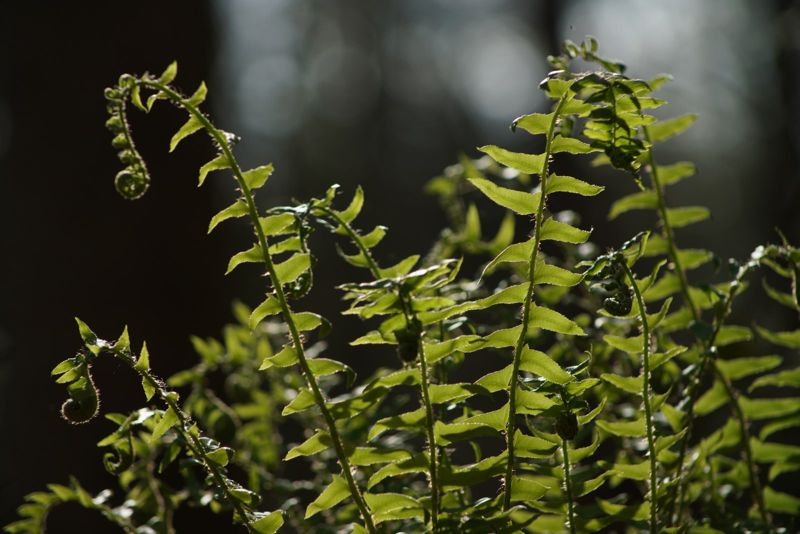
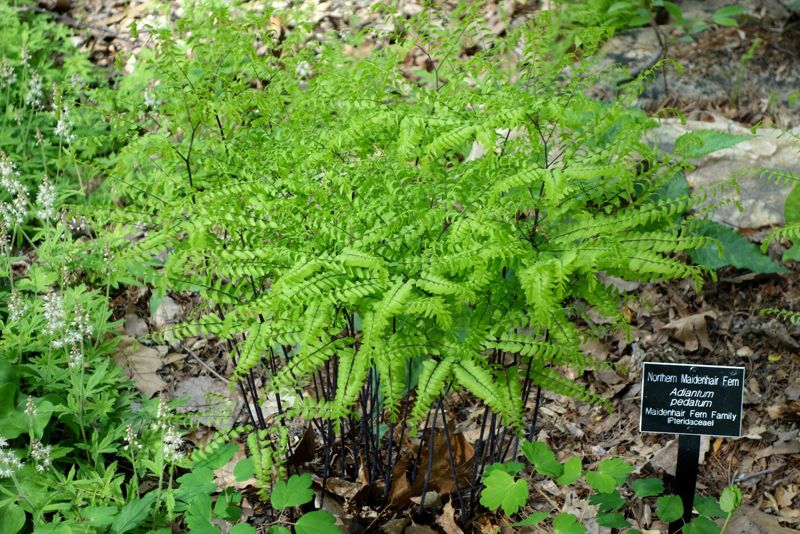
One of the most delicate and graceful ferns, maidenhair has jet-black wiry stems supporting fan-shaped fronds of tiny, soft green leaflets. It is widespread across the globe and has been used in herbal medicine since ancient Rome — syrup of maidenhair (capillaire) was once a popular apothecary preparation. In the garden, it thrives in consistently moist, shaded conditions near water features.
Growing Conditions
How to Grow Maidenhair fern
Maidenhair fern (Adiantum pedatum) is a fern that grows to about 12 inches tall and 12 inches wide.
To grow maidenhair fern, give it partial sun to partial shade. It is hardy across USDA hardiness zones 8–11. Plant it in rich, moist, humusy, well-drained soil; loves lime, at a slightly acidic pH of 6–7.5. It does best with even, moderate watering.
Exact sowing, transplanting, and harvest months shift by climate zone — the planting calendar below lays them out for cool through hot regions. Its flowers appear from May through October. Old knowledge lives in this one; grow it, and you keep a little of that alive.
Companion Planting & Soil
Maidenhair fern grows well alongside hosta, bleeding heart, astilbe, and jack-in-the-pulpit.
Good Companions
Planting Calendar
When to sow, transplant, and harvest by growing zone.
| Zone | Action | Months | Notes |
|---|---|---|---|
| Cold (1-2) | Transplant | May — Jun | Plant in spring; delicate fan-shaped fronds on black wiry stems; moist shade |
| Cold (1-2) | Bloom | May — Sep | No flowers; airy fan-shaped fronds emerge from black stems; deciduous |
| Cool (3-4) | Transplant | Apr — May | Plant in spring; needs consistent moisture and high humidity; avoid wind |
| Cool (3-4) | Bloom | Apr — Oct | Graceful deciduous fronds; pairs with wildflowers in spring |
| Moderate (5-7) | Transplant | Mar — Apr | Plant in spring; rich, moist, humusy soil in shade; elegant woodland accent |
| Moderate (5-7) | Bloom | Mar — Oct | Delicate fronds spring through fall; goes dormant in winter |
| Moderate (5-7) | Divide | Apr — May | Divide carefully in spring; keep divisions moist until established |
| Warm (8-9) | Transplant | Feb — Mar | Plant in late winter; deep shade and constant moisture essential |
| Warm (8-9) | Bloom | Feb — Nov | Long season; fronds scorch in dry air |
| Hot (10+) | Transplant | Nov — Dec | Plant in fall; challenging in hot dry zones — needs microclimate |
| Hot (10+) | Bloom | Feb — Oct | Needs sheltered microclimate; mist regularly |
Uses
Medicinal & Folk Use
In herbal and folk tradition, it has been valued in several ways: traditional cough and respiratory remedy (capillaire syrup); hair rinse historically used for strengthening and shine; demulcent tea for sore throats. These are traditional uses, not medical advice.
Beyond the Garden
Maidenhair fern earns its keep past the plate, too: elegant shade garden and terrarium plant; houseplant for humid, bright indirect light conditions.
Safety Notes
Not recommended as food. Ferns as a group contain thiaminase and some contain ptaquiloside, a carcinogen; traditional use here was as a hair rinse and a cough syrup flavouring, not as a vegetable.
The Field Library
Books from the Futurespore shelf that go deeper on plants like this one.
- The Modern Herbal Dispensatory a working reference for tinctures, salves, and doses once you get serious
- Braiding Sweetgrass reframes growing and gathering as a relationship of reciprocity
These are Bookshop.org affiliate links — they support independent bookstores and earn Futurespore a small commission at no extra cost to you. Browse the full Futurespore Bookshelf.