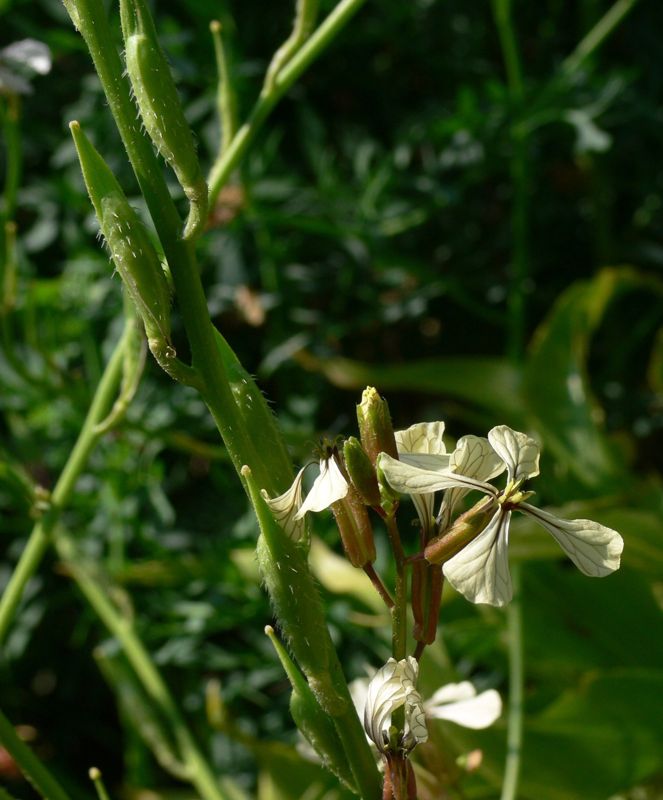
 Schlaghecken Josef / CC BY 4.0 · Source
Chervil
Anthriscus cerefolium
Overview
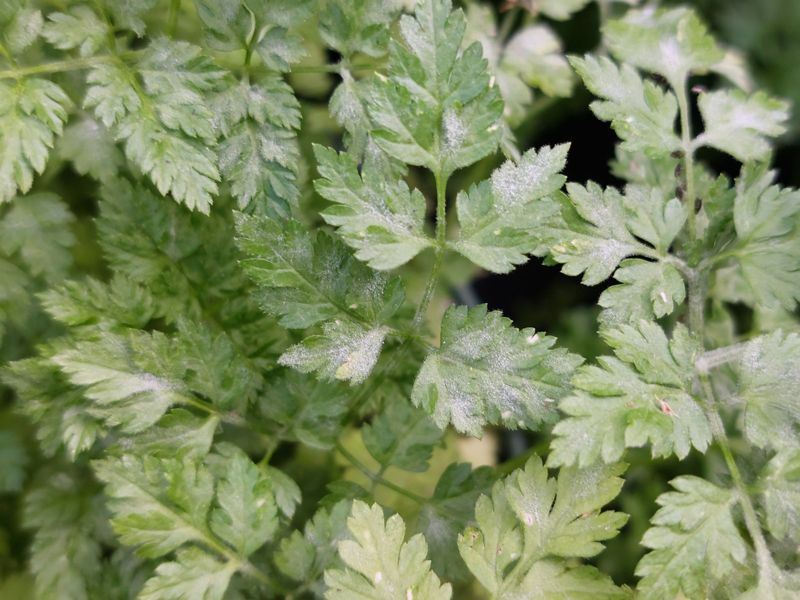
A delicate, lacy herb with a subtle anise-parsley flavor that is essential to French cuisine, particularly as part of the classic fines herbes blend. Chervil is the first herb to emerge in spring and prefers cool, shaded conditions — the opposite of most herbs. Its flavor fades quickly with heat, so it should always be added at the end of cooking or used fresh.
Growing Conditions
How to Grow Chervil
Chervil (Anthriscus cerefolium) is a forb/herb that grows to about 1.5 feet tall and 12 inches wide.
To grow chervil, give it shade or dappled light. It is hardy across USDA hardiness zones 6–9. Plant it in moist, humus-rich, well-drained soil in partial shade, at a slightly acidic pH of 6–7. It does best with even, moderate watering.
Exact sowing, transplanting, and harvest months shift by climate zone — the planting calendar below lays them out for cool through hot regions. Its flowers appear from May through July, offering high value to pollinators. A generous plant — a harvest for you, and forage for the pollinators.
Companion Planting & Soil
Chervil grows well alongside lettuce, radish, broccoli, and carrot.
Good Companions
Planting Calendar
When to sow, transplant, and harvest by growing zone.
| Zone | Action | Months | Notes |
|---|---|---|---|
| Cold (1-2) | Direct Sow | May — May | Direct sow after last frost; bolts quickly in heat |
| Cold (1-2) | Harvest | Jun — Jul | Harvest outer leaves at 6-8 weeks; bolts in heat |
| Cool (3-4) | Direct Sow | Mar — Apr | Sow in early spring; prefers partial shade |
| Cool (3-4) | Direct Sow | Aug — Sep | Fall sowing; best in cool weather |
| Cool (3-4) | Harvest | Apr — Jun | Harvest before flowering; delicate anise flavor fades with heat |
| Moderate (5-7) | Direct Sow | Feb — Mar | Sow in late winter; succession sow every 3 weeks |
| Moderate (5-7) | Direct Sow | Sep — Oct | Fall sowing; self-sows readily |
| Moderate (5-7) | Harvest | Mar — May | Spring harvest; use fresh — flavor does not dry well |
| Moderate (5-7) | Harvest | Oct — Dec | Fall/early winter harvest |
| Warm (8-9) | Direct Sow | Oct — Jan (wraps) | Cool-season crop; grow in partial shade |
| Warm (8-9) | Harvest | Nov — Mar (wraps) | Harvest during cool months |
| Hot (10+) | Direct Sow | Oct — Dec | Cool-season only; needs shade |
| Hot (10+) | Harvest | Nov — Feb (wraps) | Cool-season harvest |
Uses
In the Kitchen
In the kitchen, chervil turns up in more than one form: classic fines herbes blend with tarragon, chives, and parsley; delicate garnish for eggs, fish, and spring vegetables; compound butter and cream sauces.
Medicinal & Folk Use
In herbal and folk tradition, it has been valued in several ways: traditional digestive and mild diuretic tea; rich in vitamin C and iron; historically used as a spring tonic to cleanse the blood. These are traditional uses, not medical advice.
Beyond the Garden
Chervil earns its keep past the plate, too: cool-season ground cover under taller plants.
Safety Notes
Grow your own rather than foraging: chervil is in the carrot family, and its wild look-alikes include poison hemlock and fool’s parsley, which kill foragers who mistake them for edible herbs. Garden chervil itself is entirely safe.
The Field Library
Books from the Futurespore shelf that go deeper on plants like this one.
- Medicinal Herbs: A Beginner's Guide the friendliest on-ramp to growing and using healing herbs at home
- The Forager's Harvest identification, harvest windows, and preparation from someone who eats what he teaches
- Gaia's Garden home-scale permaculture — guilds, food forests, and beds that tend themselves
These are Bookshop.org affiliate links — they support independent bookstores and earn Futurespore a small commission at no extra cost to you. Browse the full Futurespore Bookshelf.