Ornamental kale
Brassica oleracea
Overview
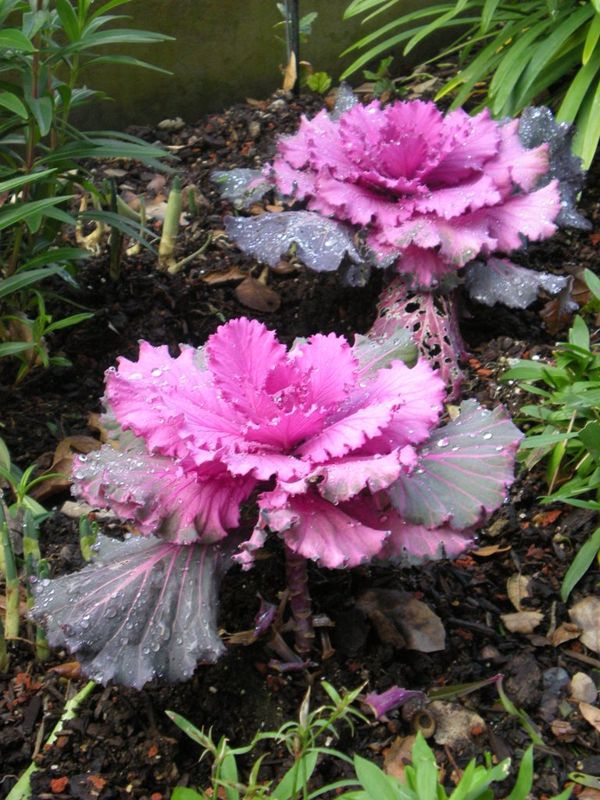
A cold-season stunner that produces rosettes of ruffled or fringed leaves in vivid purples, pinks, whites, and greens that intensify as temperatures drop. Ornamental kale is technically edible but is grown primarily for its spectacular color, which peaks in fall and persists through winter. It is one of the few plants that actually gets more beautiful as the weather turns cold.
How to Grow Ornamental kale
Plant it in rich, moist, well-drained soil, at a slightly acidic pH of 6–7.5.
Exact sowing, transplanting, and harvest months shift by climate zone — the planting calendar below lays them out for cool through hot regions. Match it to the right spot, and the rest is mostly patience.
Companion Planting & Soil
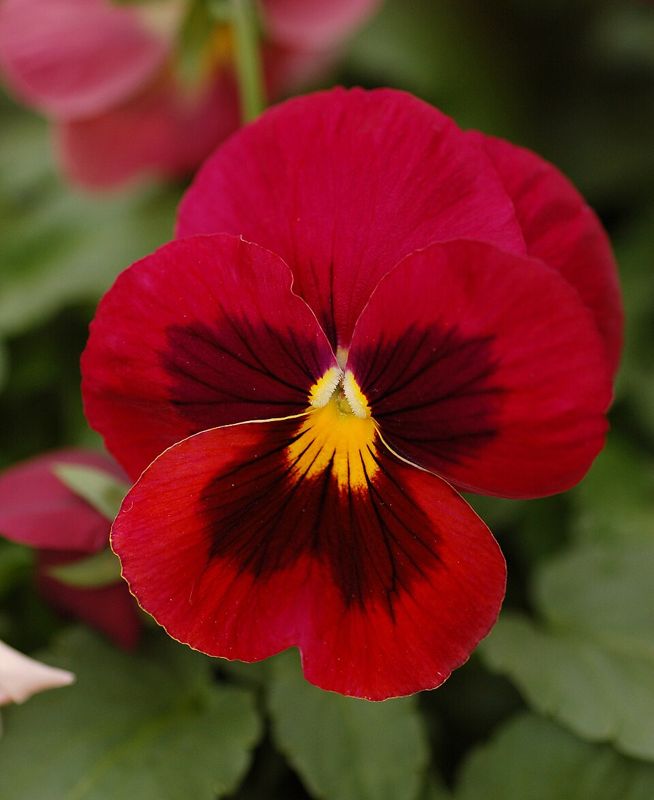
Ornamental kale grows well alongside pansy, snapdragon, aster, and mum.
Good Companions
Planting Calendar
When to sow, transplant, and harvest by growing zone.
| Zone | Action | Months | Notes |
|---|---|---|---|
| Cold (1-2) | Start Indoors | Jun — Jul | Start indoors midsummer; needs cool temps to develop color |
| Cold (1-2) | Transplant | Aug — Sep | Transplant in late summer for fall/winter display |
| Cold (1-2) | Bloom | Sep — Nov | Rosettes persist until hard freeze in 20s; spectacular fall/winter color |
| Cool (3-4) | Transplant | Aug — Sep | Transplant in fall; color intensifies after first frost |
| Cool (3-4) | Bloom | Sep — Dec | Fall through early winter display; frost intensifies color |
| Moderate (5-7) | Transplant | Sep — Oct | Plant in fall; white, pink, purple rosettes; edible but bitter |
| Moderate (5-7) | Bloom | Oct — Feb (wraps) | Fall through winter display; survives to low 20s°F |
| Warm (8-9) | Transplant | Oct — Nov | Plant in fall; needs cool nights (below 50°F) to develop color |
| Warm (8-9) | Bloom | Nov — Feb (wraps) | Winter display; replace when plants bolt in spring |
| Hot (10+) | Transplant | Nov — Dec | Late fall planting; may not color well without sustained cool nights |
| Hot (10+) | Bloom | Dec — Feb (wraps) | Brief winter color display |
Uses
In the Kitchen
In the kitchen, ornamental kale turns up in more than one form: technically edible but bitter — grown for ornament; leaves used as decorative plate garnish.
Beyond the Garden
Ornamental kale earns its keep past the plate, too: premier cool-season container and bedding plant; color intensifies as temperatures drop; fall and winter garden focal point.
Safety Notes
The species is edible, but ornamental nursery plants are commonly treated with pesticides not approved for food crops. Eat only plants you grew from seed as food.
The Field Library
Books from the Futurespore shelf that go deeper on plants like this one.
- The Forager's Harvest identification, harvest windows, and preparation from someone who eats what he teaches
- Gaia's Garden home-scale permaculture — guilds, food forests, and beds that tend themselves
These are Bookshop.org affiliate links — they support independent bookstores and earn Futurespore a small commission at no extra cost to you. Browse the full Futurespore Bookshelf.