Joe-pye weedWhen to plant, zone by zone · USDA zones 4-9
Eutrochium purpureum
Overview
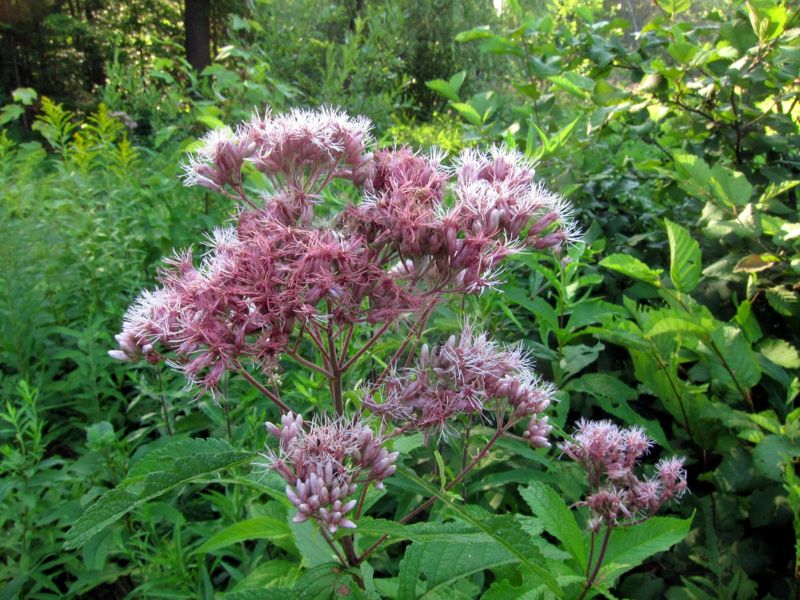
A towering native perennial named after a legendary Mohican healer, Joe-pye weed produces massive domes of dusty pink-purple flowers that are butterfly magnets of the highest order. Growing 5-8 feet tall, it brings bold, natural beauty to rain gardens, stream banks, and the back of perennial borders. Named after Joe Pye, who reportedly used it to cure typhus during colonial times.
Mentioned in The Mycelial Grimoire
Posts on the Grimoire that reference Joe-pye weed.
Growing Conditions
How to Grow Joe-pye weed
Joe-pye weed (Eutrochium purpureum) is a perennial forb/herb that grows to about 7 feet tall and 4 feet wide.
To grow joe-pye weed, give it full sun, though it tolerates a little shade. It is hardy across USDA hardiness zones 4–9. Plant it in moist to wet, fertile soil; loves consistent moisture, at a slightly acidic pH of 5–7. It does best with consistently moist to wet soil.
Exact sowing, transplanting, and harvest months shift by climate zone — the planting calendar below lays them out for cool through hot regions. Its dusty rose flowers appear from July through September, offering high value to pollinators. It keeps its own chemistry; read the safety notes before any part reaches a plate.
Companion Planting & Soil
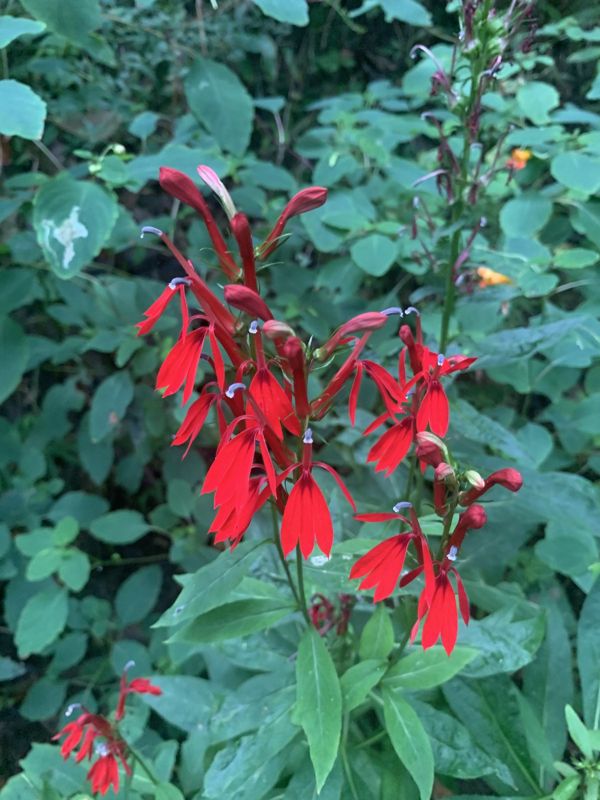
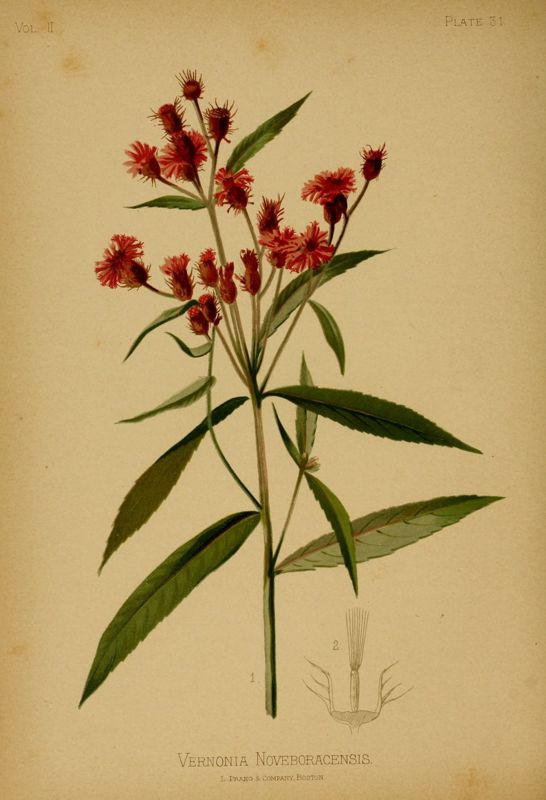
Joe-pye weed grows well alongside ironweed, cardinal flower, bee balm, and aster.
Good Companions
Planting Calendar
When to sow, transplant, and harvest by growing zone.
| Zone | Action | Months | Notes |
|---|---|---|---|
| Cold (1-2) | Transplant | May — Jun | Plant in spring; native to moist meadows; grows 4-7 feet tall |
| Cold (1-2) | Bloom | Jul — Sep | Late summer bloom; huge dusty-pink flower heads attract butterflies |
| Cool (3-4) | Transplant | Apr — May | Plant in spring; prefers consistently moist soil; full sun to part shade |
| Cool (3-4) | Bloom | Jul — Sep | Blooms mid-late summer; top butterfly magnet |
| Moderate (5-7) | Transplant | Mar — Apr | Plant in spring; majestic at back of border; vanilla-scented flowers |
| Moderate (5-7) | Bloom | Jul — Sep | Peak bloom late summer; leave seed heads for winter interest |
| Moderate (5-7) | Divide | Mar — Apr | Divide clumps every 3-4 years in spring; large root mass |
| Warm (8-9) | Transplant | Feb — Mar | Plant in late winter/spring; needs moisture |
| Warm (8-9) | Bloom | Jun — Sep | Extended bloom; butterflies flock to flowers |
| Hot (10+) | Transplant | Nov — Dec | Plant in fall; needs constant moisture in hot zones |
| Hot (10+) | Bloom | Jun — Aug | Summer bloom; keep well-watered |
Joe-pye weed Questions
When should you plant Joe-pye weed?
Cold (1-2) — transplant May–June; Cool (3-4) — transplant April–May; Moderate (5-7) — transplant March–April; Warm (8-9) — transplant February–March; Hot (10+) — transplant November–December. Shift these with your own last-frost date; the full table sits in the planting calendar below.
When does Joe-pye weed bloom?
Cold (1-2) — July–September; Cool (3-4) — July–September; Moderate (5-7) — July–September; Warm (8-9) — June–September; Hot (10+) — June–August.
What growing zone does Joe-pye weed need?
Joe-pye weed is hardy in USDA zones 4-9 and wants full sun, though it tolerates a little shade. Give it consistently moist to wet soil. It prefers a slightly acidic pH of 5–7.
Is Joe-pye weed edible?
No — Joe-pye weed is recorded as toxic and should not be eaten. Read the safety notes on this page before eating any part of it.
What grows well with Joe-pye weed?
Ironweed, Cardinal flower, Bee balm, and Aster.
Uses
Beyond the Garden
Joe-pye weed earns its keep past the plate, too: premier butterfly and pollinator garden plant; rain garden and moist meadow restoration; dramatic vertical accent in naturalistic plantings.
Safety Notes
Contains pyrrolizidine alkaloids (cumulative liver damage), like its boneset relatives. Grow it for the pollinators, not the teapot.
The Field Library
Books from the Futurespore shelf that go deeper on plants like this one.
- Gaia's Garden home-scale permaculture — guilds, food forests, and beds that tend themselves
- Braiding Sweetgrass essays on native plants and reciprocity — not a manual, a way of seeing
These are Bookshop.org affiliate links — they support independent bookstores and earn Futurespore a small commission at no extra cost to you. Browse the full Futurespore Bookshelf.