 Mharfouche / Public domain · Source
Stock
Matthiola spp.
Overview
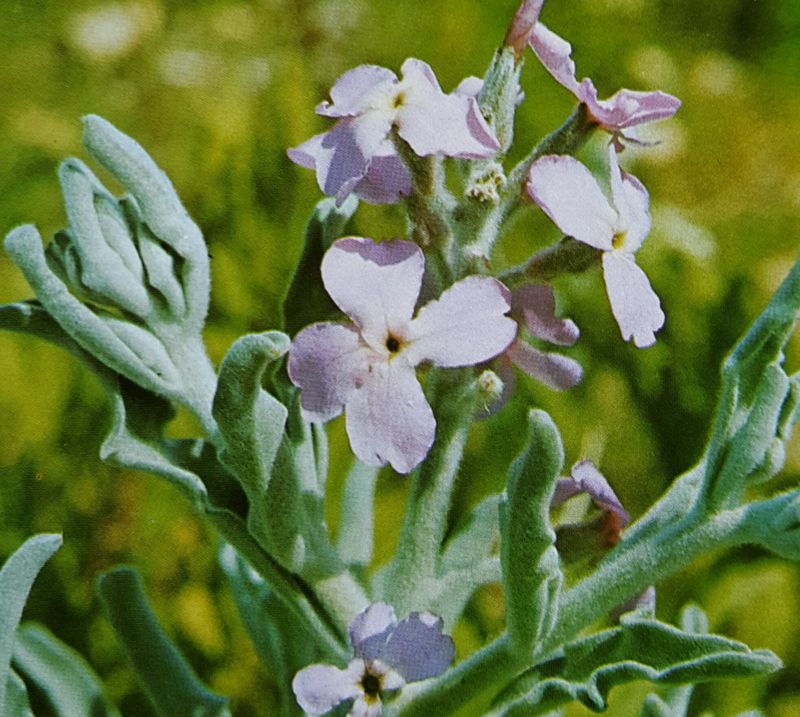
Old-fashioned flowers prized for their intoxicating clove-like fragrance, stocks (Matthiola) produce dense spikes of double flowers in pastel pinks, purples, whites, and creams. Their scent is strongest in the evening, making them ideal near windows and outdoor seating areas. Evening stock (M. longipetala) is plain by day but releases the most heavenly perfume at dusk.
Growing Conditions
How to Grow Stock
Stock (Matthiola spp.) is a forb/herb that grows to about 2 feet tall and 12 inches wide.
To grow stock, give it full sun. It is hardy across USDA hardiness zones 6–10. Plant it in rich, well-drained, slightly alkaline, loamy soil, at a slightly acidic pH of 6–7.5. It does best with even, moderate watering.
Exact sowing, transplanting, and harvest months shift by climate zone — the planting calendar below lays them out for cool through hot regions. Its flowers appear from May through August, offering high value to pollinators. It feeds two tables at once: yours and the pollinators’.
Companion Planting & Soil
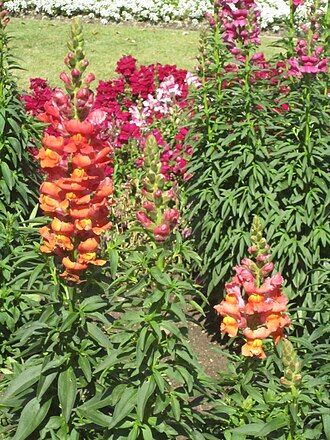
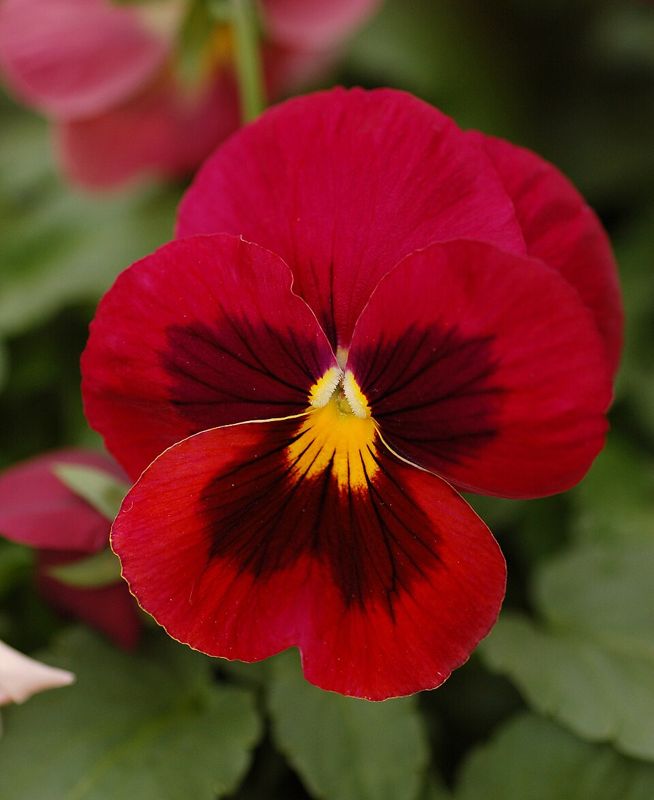
Stock grows well alongside snapdragon, sweet pea, dianthus, and pansy.
Good Companions
Planting Calendar
When to sow, transplant, and harvest by growing zone.
| Zone | Action | Months | Notes |
|---|---|---|---|
| Cold (1-2) | Start Indoors | Feb — Mar | Start indoors 6-8 weeks before last frost; chill seed 2 weeks for better germination |
| Cold (1-2) | Transplant | May — May | Transplant in spring; tolerates light frost |
| Cold (1-2) | Harvest | Jun — Jul | Cut when half of florets are open; clove/spice scented |
| Cool (3-4) | Direct Sow | Mar — Apr | Direct sow in early spring; very fragrant evening bloomer |
| Cool (3-4) | Harvest | May — Jun | Harvest in spring; one of the most fragrant cut flowers |
| Moderate (5-7) | Direct Sow | Feb — Mar | Sow in late winter; blooms in cool spring weather |
| Moderate (5-7) | Direct Sow | Sep — Oct | Fall sow for early spring bloom |
| Moderate (5-7) | Harvest | Mar — May | Spring bloom; evening fragrance strongest |
| Warm (8-9) | Direct Sow | Sep — Nov | Fall/winter crop; intensely fragrant |
| Warm (8-9) | Harvest | Dec — Mar (wraps) | Winter/spring bloom |
| Hot (10+) | Direct Sow | Oct — Dec | Fall sow for winter bloom; needs cool nights |
| Hot (10+) | Harvest | Dec — Feb (wraps) | Winter bloom; intoxicating fragrance |
Uses
In the Kitchen
In the kitchen, stock turns up in more than one form: flowers are edible with a mild, sweet flavor; used as fragrant garnish for desserts and cocktails.
Medicinal & Folk Use
In herbal and folk tradition, it has been valued in several ways: traditional use as a mild expectorant for coughs; seed oil used historically for skin softening. These are traditional uses, not medical advice.
Beyond the Garden
Stock earns its keep past the plate, too: exceptional fragrant cut flower; evening-scented varieties for patio and window-side planting.
The Field Library
Books from the Futurespore shelf that go deeper on plants like this one.
- The Modern Herbal Dispensatory a working reference for tinctures, salves, and doses once you get serious
- The Forager's Harvest identification, harvest windows, and preparation from someone who eats what he teaches
- Gaia's Garden home-scale permaculture — guilds, food forests, and beds that tend themselves
These are Bookshop.org affiliate links — they support independent bookstores and earn Futurespore a small commission at no extra cost to you. Browse the full Futurespore Bookshelf.