 NinjaRobotPirate / CC BY 4.0 · Source
Ornamental alliumWhen to plant, zone by zone · USDA zones 4-9
Allium spp.
Overview
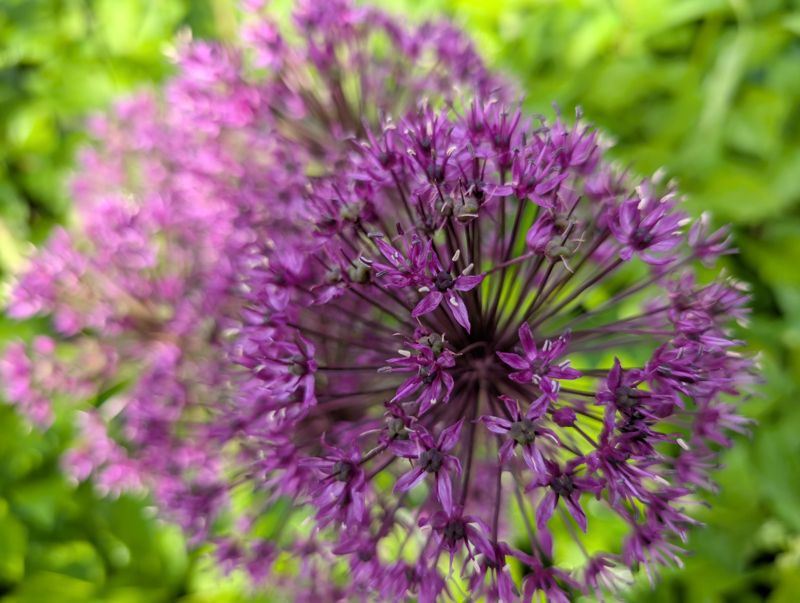
Giant spherical flower heads in purple, pink, and white that float above the garden on tall, straight stems like botanical fireworks. Ornamental alliums are dramatic, deer-proof, and incredibly easy to grow from bulbs planted in fall. Their architectural seed heads remain attractive long after flowering and are stunning in dried arrangements.
Growing Conditions
How to Grow Ornamental allium
Ornamental allium (Allium spp.) is a perennial forb/herb that grows to about 3 feet tall and 12 inches wide.
To grow ornamental allium, give it full sun. It is hardy across USDA hardiness zones 4–9. Plant it in well-drained, moderately fertile soil, at a slightly acidic pH of 6–7.5. It does best with even, moderate watering.
Exact sowing, transplanting, and harvest months shift by climate zone — the planting calendar below lays them out for cool through hot regions. Its purple, pink, or white flowers appear from May through June, offering high value to pollinators. Water it in well, then largely leave it be — it forgives a dry week.
Companion Planting & Soil
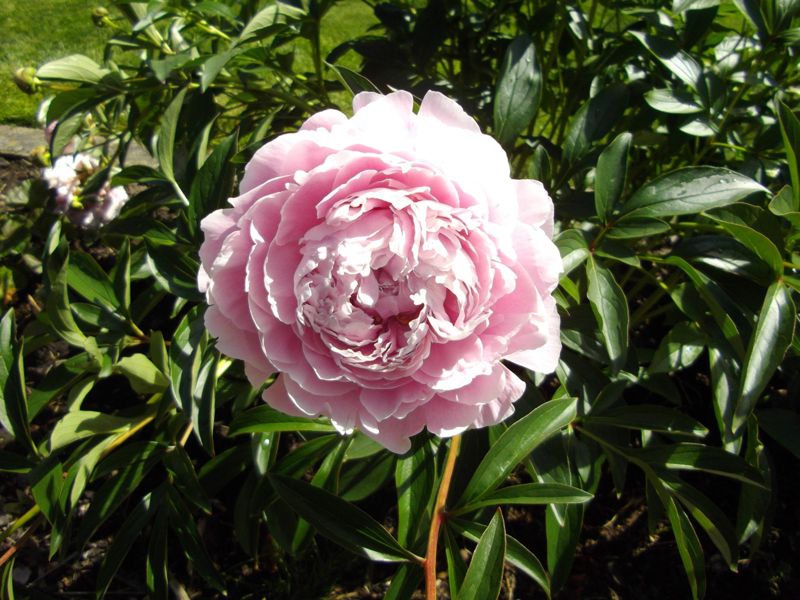
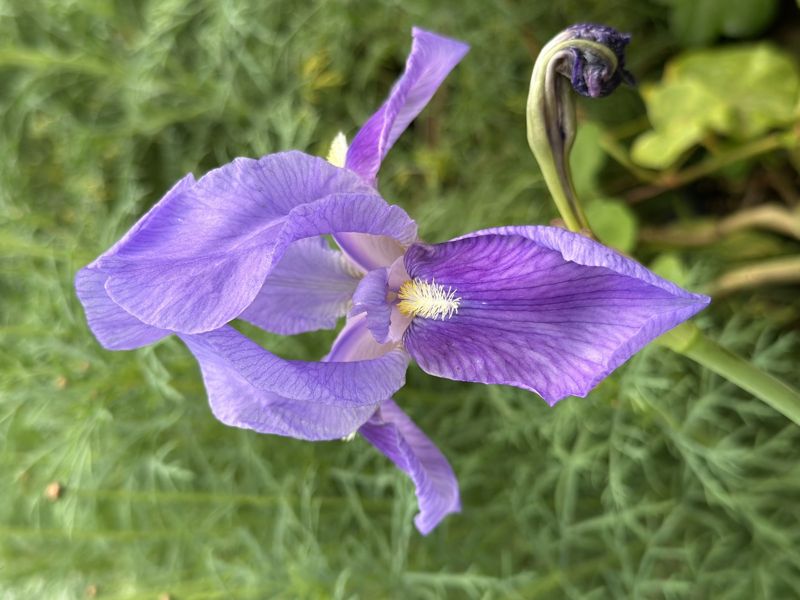
Ornamental allium grows well alongside rose, lavender, peony, and iris — but keep it clear of bean and pea.
Good Companions
Avoid Planting Near
Planting Calendar
When to sow, transplant, and harvest by growing zone.
| Zone | Action | Months | Notes |
|---|---|---|---|
| Cold (1-2) | Transplant | Sep — Oct | Plant bulbs in fall 4-6" deep; deer and rodent proof; globe-shaped blooms |
| Cold (1-2) | Bloom | May — Jun | Purple globes on tall stems; foliage dies back during bloom — interplant to hide |
| Cool (3-4) | Transplant | Sep — Oct | Plant in fall; Globemaster and Purple Sensation are reliable performers |
| Cool (3-4) | Bloom | May — Jun | Late spring bloom; dried seed heads provide long-lasting garden structure |
| Moderate (5-7) | Transplant | Oct — Nov | Plant in fall; excellent drainage essential — rots in wet soil |
| Moderate (5-7) | Bloom | Apr — Jun | Spring bloom; pollinator-friendly; leave seed heads standing |
| Warm (8-9) | Transplant | Nov — Dec | Plant in late fall; most species need some winter chill |
| Warm (8-9) | Bloom | Mar — May | Spring bloom; bulb onion relatives |
| Hot (10+) | Transplant | Nov — Dec | Plant smaller species; large Dutch hybrids may not get enough chill |
| Hot (10+) | Bloom | Feb — Apr | Late winter/spring bloom |
Ornamental allium Questions
When should you plant Ornamental allium?
Cold (1-2) — transplant September–October; Cool (3-4) — transplant September–October; Moderate (5-7) — transplant October–November; Warm (8-9) — transplant November–December; Hot (10+) — transplant November–December. Shift these with your own last-frost date; the full table sits in the planting calendar below.
When does Ornamental allium bloom?
Cold (1-2) — May–June; Cool (3-4) — May–June; Moderate (5-7) — April–June; Warm (8-9) — March–May; Hot (10+) — February–April.
What growing zone does Ornamental allium need?
Ornamental allium is hardy in USDA zones 4-9 and wants full sun. Give it even, moderate watering. It prefers a slightly acidic pH of 6–7.5.
What grows well with Ornamental allium?
Rose, Lavender, Peony, and Iris. Keep it away from Bean and Pea.
Uses
Beyond the Garden
Ornamental allium earns its keep past the plate, too: dramatic architectural garden focal point; deer-proof and rodent-proof bulb; dried seed heads for arrangements and wreaths.
Safety Notes
Technically an allium like its kitchen cousins, but grown as an ornamental and often sprayed. Like all alliums, toxic to dogs and cats.
The Field Library
Books from the Futurespore shelf that go deeper on plants like this one.
- The Resilient Gardener growing staple food through drought, flood, and hard seasons
- Gaia's Garden home-scale permaculture — guilds, food forests, and beds that tend themselves
These are Bookshop.org affiliate links — they support independent bookstores and earn Futurespore a small commission at no extra cost to you. Browse the full Futurespore Bookshelf.