Ranunculus
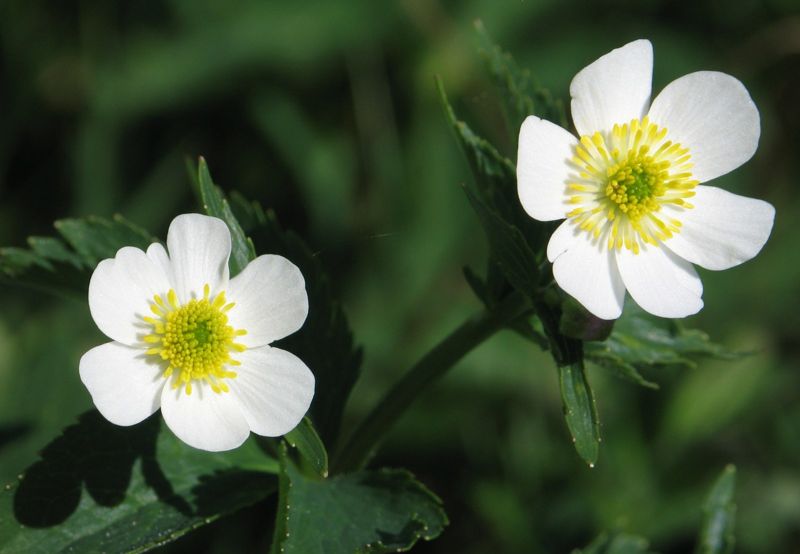
Ranunculus aconitifolius
Overview
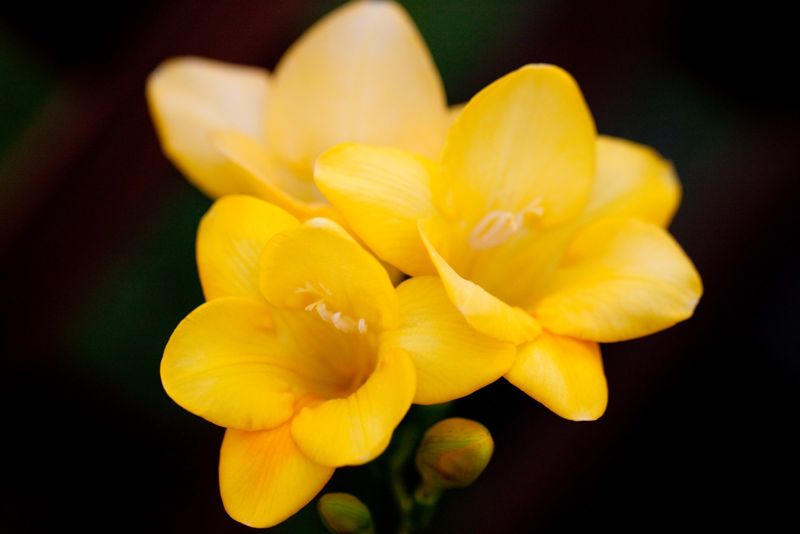
Layer upon layer of tissue-paper-thin petals create some of the most exquisitely beautiful flowers in the garden — ranunculus blooms look like tiny, perfect roses. These cool-season bulbs are a mainstay of the cut flower industry, prized for their long vase life and romantic appeal. They bloom from fall-planted corms in mild climates or spring-started plants in colder zones.
Growing Conditions
How to Grow Ranunculus
Ranunculus (Ranunculus aconitifolius) is a forb/herb that grows to about 2.5 feet tall and 2 feet wide.
To grow ranunculus, give it partial sun to partial shade. It is hardy across USDA hardiness zones 6–10. Plant it in rich, well-drained, sandy loam, at a slightly acidic pH of 6–7.
Exact sowing, transplanting, and harvest months shift by climate zone — the planting calendar below lays them out for cool through hot regions. Its flowers appear from May through July, offering high value to pollinators. Handle it with the respect a defended plant has earned — read the safety notes first.
Companion Planting & Soil
Ranunculus grows well alongside anemone, sweet pea, and snapdragon.
Good Companions
Planting Calendar
When to sow, transplant, and harvest by growing zone.
| Zone | Action | Months | Notes |
|---|---|---|---|
| Cold (1-2) | Start Indoors | Feb — Mar | Pre-sprout corms in damp soil indoors; plant out after last frost; grow as annual |
| Cold (1-2) | Bloom | Jun — Jul | Papery layered petals; cut when buds are marshmallow-soft for 10+ day vase life |
| Cool (3-4) | Transplant | Apr — May | Plant pre-sprouted corms after last frost; soak corms 4 hours before planting |
| Cool (3-4) | Bloom | May — Jul | Late spring/summer bloom; harvest frequently for more flowers |
| Moderate (5-7) | Transplant | Oct — Nov | Plant in fall for spring bloom; claw-like corms go points down |
| Moderate (5-7) | Bloom | Mar — May | Spring bloom from fall-planted corms |
| Warm (8-9) | Transplant | Oct — Nov | Fall planting; blooms late winter/spring; excellent cut flower |
| Warm (8-9) | Bloom | Feb — Apr | Late winter/spring bloom; prized cut flower |
| Hot (10+) | Transplant | Nov — Dec | Plant in late fall; cool-season grower; dies in summer heat |
| Hot (10+) | Bloom | Jan — Mar | Winter bloom; fades when temps hit 80°F |
Uses
Beyond the Garden
Ranunculus earns its keep past the plate, too: premier cut flower with rose-like layered petals; wedding and event floral design staple; cool-season container and bed planting.
Safety Notes
Like all buttercups, contains protoanemonin — the sap can blister skin and mouth, and the plant is not edible. (Drying breaks the toxin down, which is why buttercups in hay are harmless.)
The Field Library
Books from the Futurespore shelf that go deeper on plants like this one.
- Braiding Sweetgrass reframes growing and gathering as a relationship of reciprocity
- Gaia's Garden home-scale permaculture — guilds, food forests, and beds that tend themselves
These are Bookshop.org affiliate links — they support independent bookstores and earn Futurespore a small commission at no extra cost to you. Browse the full Futurespore Bookshelf.