 Craig Franklin / CC BY-SA 3.0 au
Snapdragon
Antirrhinum majus
Overview
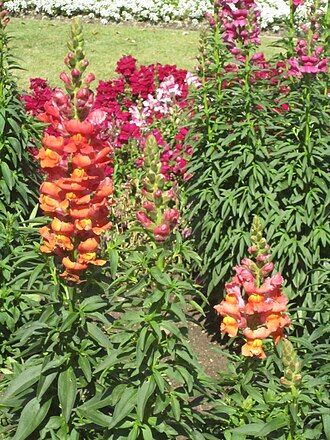
Whimsical flowers whose 'jaws' open and close when squeezed, snapdragons have delighted children and gardeners for centuries. Available in virtually every color except blue, they bloom abundantly in cool weather and are outstanding cut flowers. While technically a short-lived perennial, they are usually grown as annuals and self-seed readily in gardens they enjoy.
Growing Conditions
How to Grow Snapdragon
Snapdragon (Antirrhinum majus) is a forb/herb that grows to about 3 feet tall and 8 inches wide.
To grow snapdragon, give it partial sun to partial shade. It is hardy across USDA hardiness zones 5–10. Plant it in rich, moist, well-drained soil, at a slightly acidic pH of 6–7.5. It does best with even, moderate watering.
Exact sowing, transplanting, and harvest months shift by climate zone — the planting calendar below lays them out for cool through hot regions. Its flowers appear from May through August, offering high value to pollinators. Let a few flowers go by unpicked; the bees will thank you, and so will next season.
Companion Planting & Soil
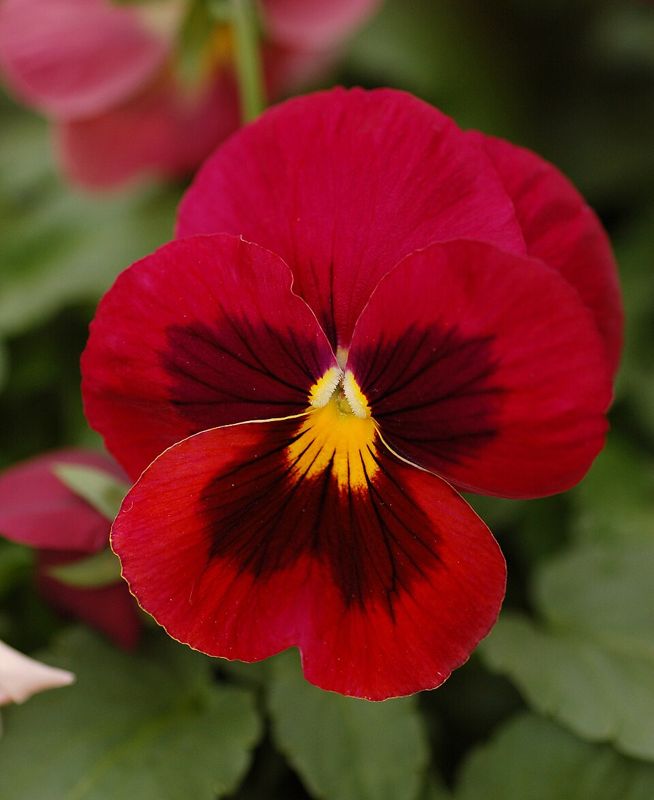
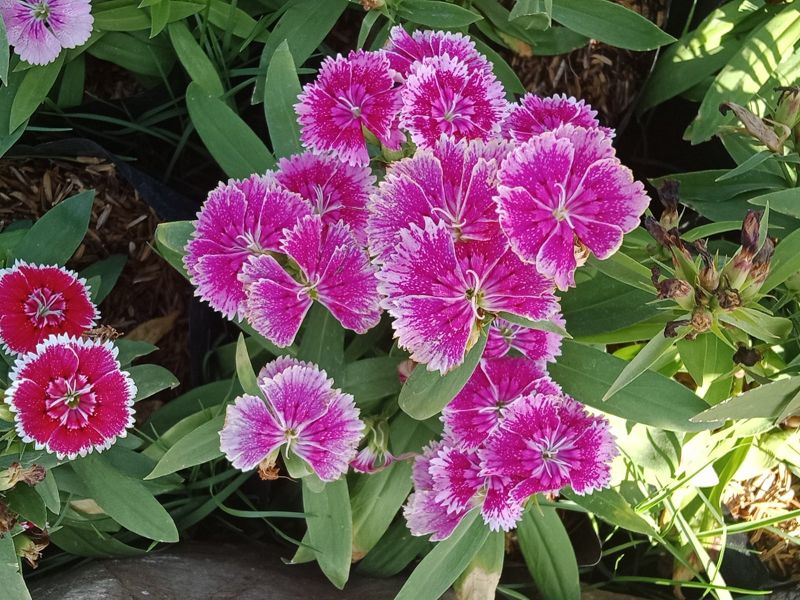
Snapdragon grows well alongside alyssum, pansy, calendula, and dianthus.
Good Companions
Planting Calendar
When to sow, transplant, and harvest by growing zone.
| Zone | Action | Months | Notes |
|---|---|---|---|
| Cold (1-2) | Start Indoors | Feb — Mar | Start indoors 8-10 weeks before last frost; needs light to germinate |
| Cold (1-2) | Transplant | May — Jun | Transplant after last frost; pinch tips for bushier plants |
| Cold (1-2) | Harvest | Jun — Aug | Cut when lower third of florets are open; long-lasting cut flower |
| Cool (3-4) | Start Indoors | Jan — Feb | Start indoors 10 weeks before transplant |
| Cool (3-4) | Transplant | Apr — May | Transplant in spring; thrives in cool weather |
| Cool (3-4) | Harvest | May — Jul | Harvest when bottom flowers open; deadhead for rebloom |
| Moderate (5-7) | Transplant | Mar — Apr | Transplant in early spring; blooms spring through early summer |
| Moderate (5-7) | Harvest | Apr — Jun | Cut stems for bouquets; blooms until heat stops them |
| Warm (8-9) | Direct Sow | Sep — Oct | Direct sow in fall for winter/spring bloom |
| Warm (8-9) | Harvest | Nov — Apr (wraps) | Blooms through winter and spring |
| Hot (10+) | Direct Sow | Oct — Nov | Sow in fall; grows through winter; fades in summer heat |
| Hot (10+) | Harvest | Dec — Mar (wraps) | Cool-season blooms |
Uses
In the Kitchen
In the kitchen, snapdragon turns up in more than one form: flowers are edible with a mild, slightly bitter flavor; decorative garnish for salads and desserts.
Medicinal & Folk Use
In herbal and folk tradition, it has been valued in several ways: traditional folk remedy as a poultice for skin inflammation; historically used in European herbalism for liver complaints. These are traditional uses, not medical advice.
Beyond the Garden
Snapdragon earns its keep past the plate, too: outstanding cut flower with long vase life; cool-season annual for continuous color; attracts bumblebees — only heavy bees can open the flowers.
The Field Library
Books from the Futurespore shelf that go deeper on plants like this one.
- Medicinal Herbs: A Beginner's Guide the friendliest on-ramp to growing and using healing herbs at home
- The Forager's Harvest identification, harvest windows, and preparation from someone who eats what he teaches
- Gaia's Garden home-scale permaculture — guilds, food forests, and beds that tend themselves
These are Bookshop.org affiliate links — they support independent bookstores and earn Futurespore a small commission at no extra cost to you. Browse the full Futurespore Bookshelf.