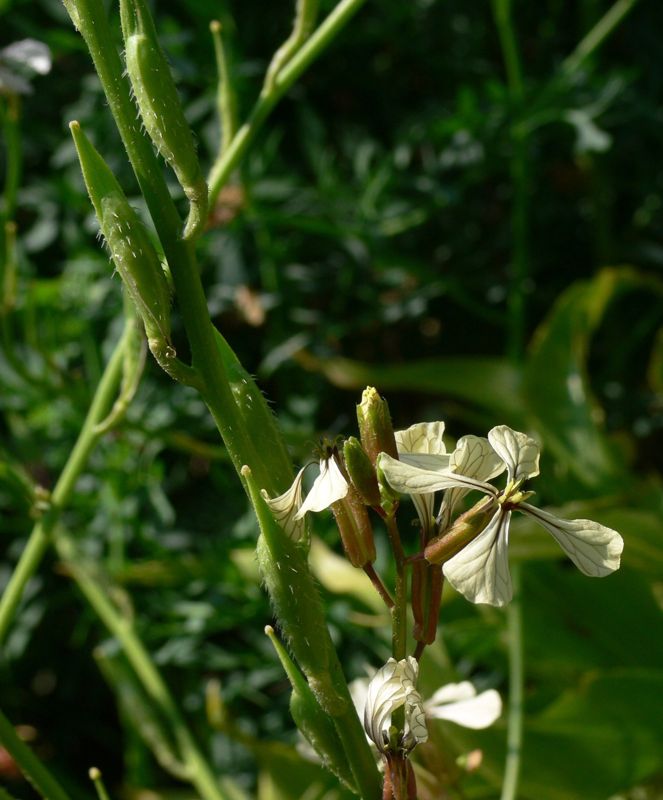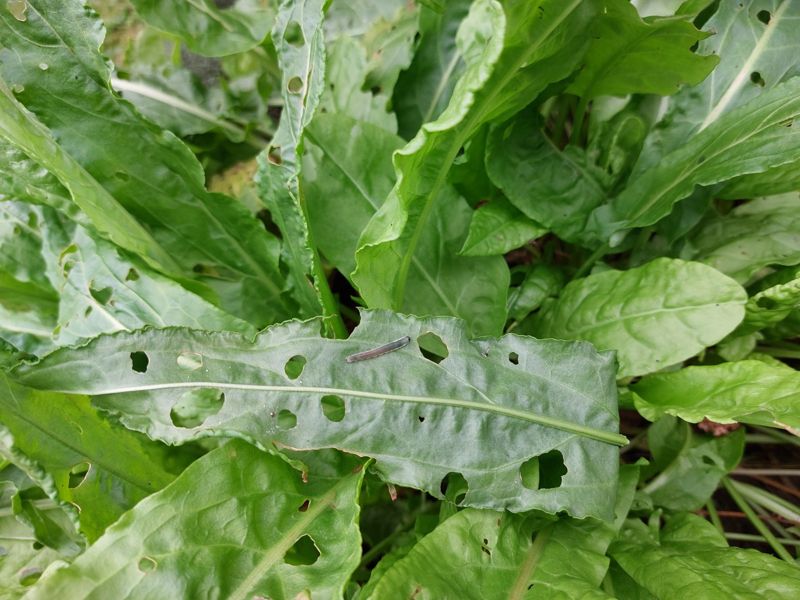
Overview
A tangy, lemony-flavored perennial green that tastes like a burst of spring sunshine. French sorrel's bright acidity comes from oxalic acid, the same compound in rhubarb, which gives it an irreplaceable sharp freshness in soups, sauces, and salads. It is one of the first greens to emerge in spring and one of the last to fade in fall, providing nearly year-round harvests.
Growing Conditions
How to Grow Sorrel
Sorrel (Rumex acetosa) is a forb/herb that grows to about 8 inches tall and 10 inches wide.
Sorrel is hardy across USDA hardiness zones 7–11. Plant it in rich, moist, well-drained, slightly acidic soil, at a slightly acidic pH of 5.5–6.8.
Exact sowing, transplanting, and harvest months shift by climate zone — the planting calendar below lays them out for cool through hot regions. The details above are a starting point — your ground will teach you the rest.
Companion Planting & Soil
Sorrel grows well alongside strawberry, lettuce, and tomato.
Good Companions
Planting Calendar
When to sow, transplant, and harvest by growing zone.
| Zone | Action | Months | Notes |
|---|---|---|---|
| Cold (1-2) | Direct Sow | May — Jun | Direct sow after last frost; perennial to zone 3; tart lemony leaves |
| Cold (1-2) | Harvest | May — Sep | Harvest outer leaves; remove flower stalks to prolong leaf production |
| Cool (3-4) | Direct Sow | Apr — May | Sow in spring; self-sows if flowers are not removed |
| Cool (3-4) | Harvest | Apr — Oct | Cut-and-come-again; remove bolting stalks |
| Moderate (5-7) | Direct Sow | Mar — Apr | Sow in early spring; one of earliest spring greens |
| Moderate (5-7) | Harvest | Mar — Jun | Best in spring before heat; new flush in fall |
| Moderate (5-7) | Harvest | Sep — Nov | Fall harvest from perennial clumps |
| Moderate (5-7) | Divide | Mar — Apr | Divide clumps every 3-4 years in early spring |
| Warm (8-9) | Direct Sow | Sep — Oct | Fall sow; grows through mild winter |
| Warm (8-9) | Harvest | Oct — Apr (wraps) | Harvest through cool months; goes dormant in summer |
| Hot (10+) | Direct Sow | Oct — Nov | Cool-season crop; bolt-prone in heat |
| Hot (10+) | Harvest | Nov — Mar (wraps) | Cool-season harvest only |
Uses
In the Kitchen
In the kitchen, sorrel turns up in more than one form: classic French sorrel soup (potage Germiny); sharp, lemony sauce for fish (especially salmon); raw leaves in salads for acidic brightness.
Medicinal & Folk Use
In herbal and folk tradition, it has been valued in several ways: high in vitamin C — historically used to prevent scurvy; rich in vitamin A and iron; traditional cooling spring tonic. These are traditional uses, not medical advice.
Beyond the Garden
Sorrel earns its keep past the plate, too: nearly year-round perennial salad green; easy ground cover for semi-shaded edible gardens.
Safety Notes
The lemony sharpness is oxalic acid — fine in normal amounts, but go easy if you are prone to kidney stones, and skip large sorrel dishes if you have gout or kidney disease.
The Field Library
Books from the Futurespore shelf that go deeper on plants like this one.
- Edible Wild Plants a photographic guide organized by season — good for checking an ID twice in the field
- The Resilient Gardener growing staple food through drought, flood, and hard seasons
These are Bookshop.org affiliate links — they support independent bookstores and earn Futurespore a small commission at no extra cost to you. Browse the full Futurespore Bookshelf.