Wild ginger
Overview
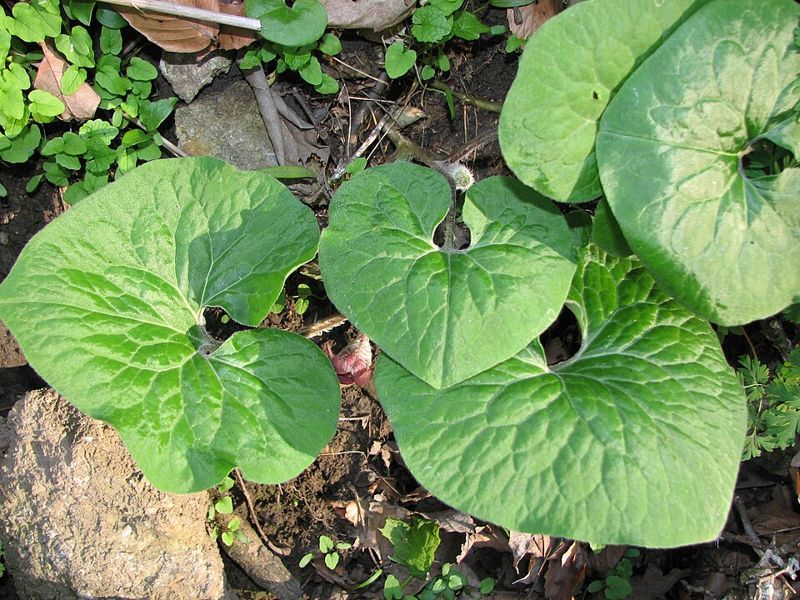
A shade-loving native ground cover of eastern woodlands, unrelated to culinary ginger. Its heart-shaped leaves form a lush carpet in woodland gardens, and its curious brownish-purple flowers hide at ground level, pollinated by early-spring ground beetles and flies. It spreads slowly by rhizome to form dense colonies. Do not eat it: every part contains aristolochic acid, which causes irreversible kidney damage and is classified as a human carcinogen. Settlers once candied the rhizome as a ginger substitute, but that predates any knowledge of the toxin, and the practice is not safe to revive.
How to Grow Wild ginger
Plant it in rich, moist, humusy woodland soil, at a slightly acidic pH of 5–6.5.
Exact sowing, transplanting, and harvest months shift by climate zone — the planting calendar below lays them out for cool through hot regions. Learn its cautions before you harvest — the safety notes below are not decoration.
Companion Planting & Soil
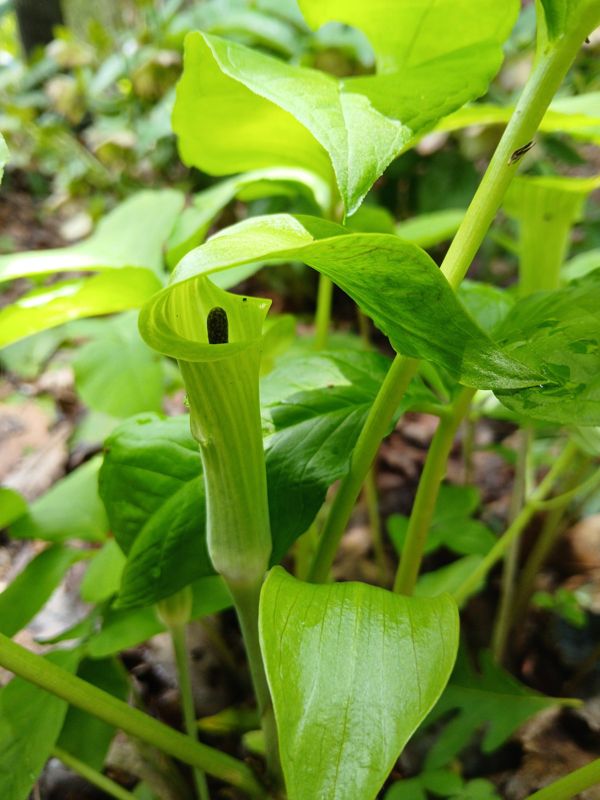
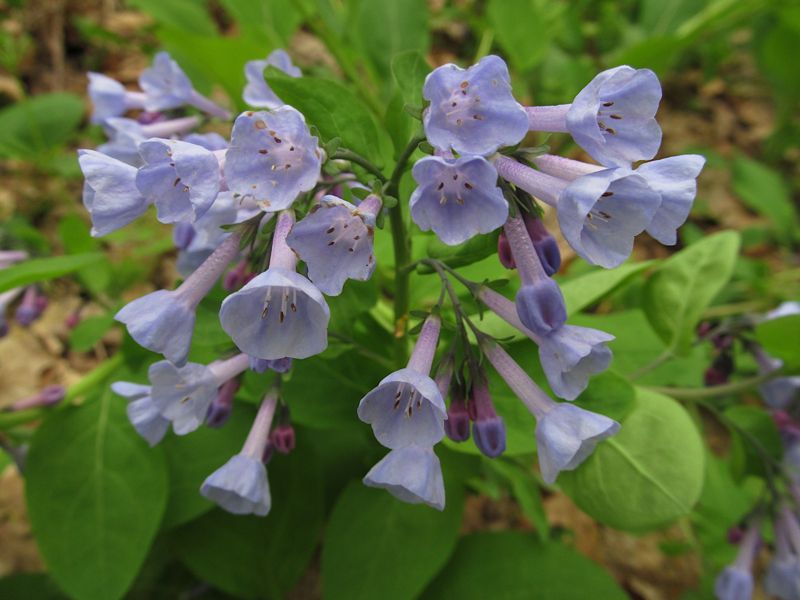
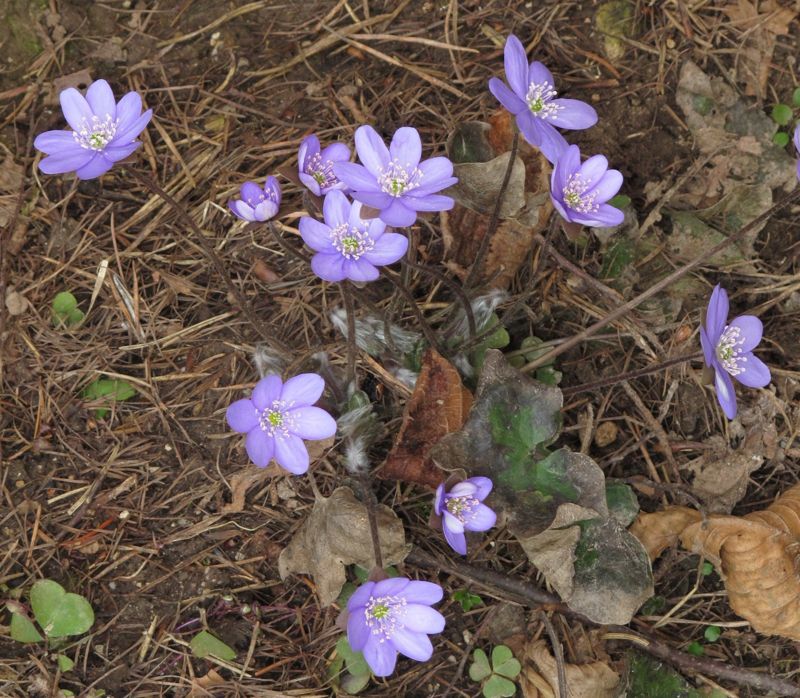
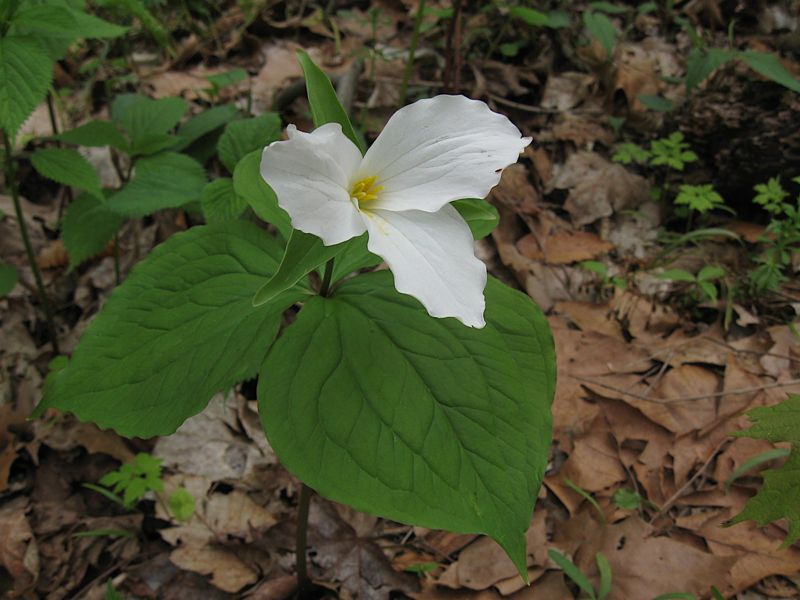
Wild ginger grows well alongside trillium, fern, bloodroot, and solomon's seal.
Good Companions
Planting Calendar
When to sow, transplant, and harvest by growing zone.
| Zone | Action | Months | Notes |
|---|---|---|---|
| Cold (1-2) | Transplant | May — Jun | Plant in spring; native groundcover for deep shade; not culinary ginger |
| Cold (1-2) | Bloom | Apr — May | Small maroon flowers hidden at soil level; pollinated by ground-dwelling beetles |
| Cool (3-4) | Transplant | Apr — May | Plant in spring; spreads by rhizomes to form dense mats; shade essential |
| Cool (3-4) | Bloom | Apr — May | Inconspicuous ground-level flowers; grown for heart-shaped foliage |
| Moderate (5-7) | Transplant | Mar — Apr | Plant in spring; excellent native shade groundcover; deer resistant |
| Moderate (5-7) | Bloom | Mar — Apr | Spring bloom; ginger-scented rhizomes historically used as flavoring |
| Moderate (5-7) | Divide | Apr — May | Divide rhizomes in spring; each piece roots easily; slow to establish |
| Warm (8-9) | Transplant | Feb — Mar | Plant in late winter; needs consistent moisture and shade |
| Warm (8-9) | Bloom | Feb — Mar | Late winter bloom at ground level |
| Hot (10+) | Transplant | Nov — Dec | Plant in fall; deep shade required; may struggle in extreme heat |
Uses
Beyond the Garden
Wild ginger earns its keep past the plate, too: evergreen ground cover for deep shade where little else will carpet; host and early-season nectar source for ground-dwelling pollinators.
Safety Notes
Not edible. Wild ginger (Asarum canadense) contains aristolochic acid, a nephrotoxin that causes irreversible kidney failure and is classified by the IARC as a Group 1 human carcinogen. The US FDA warned against botanical products containing aristolochic acid in 2001. Historical use of the rhizome as a ginger substitute, and in folk remedies, predates that knowledge and should not be repeated. Handling the plant is fine; ingesting any part of it is not.
The Field Library
Books from the Futurespore shelf that go deeper on plants like this one.
- Gaia's Garden home-scale permaculture — guilds, food forests, and beds that tend themselves
- The Resilient Gardener growing staple food through drought, flood, and hard seasons
These are Bookshop.org affiliate links — they support independent bookstores and earn Futurespore a small commission at no extra cost to you. Browse the full Futurespore Bookshelf.